.png)

Read Time : 2 Minutes
Environmental Impacts of Biomass Boilers
Biomass fuel and our environment
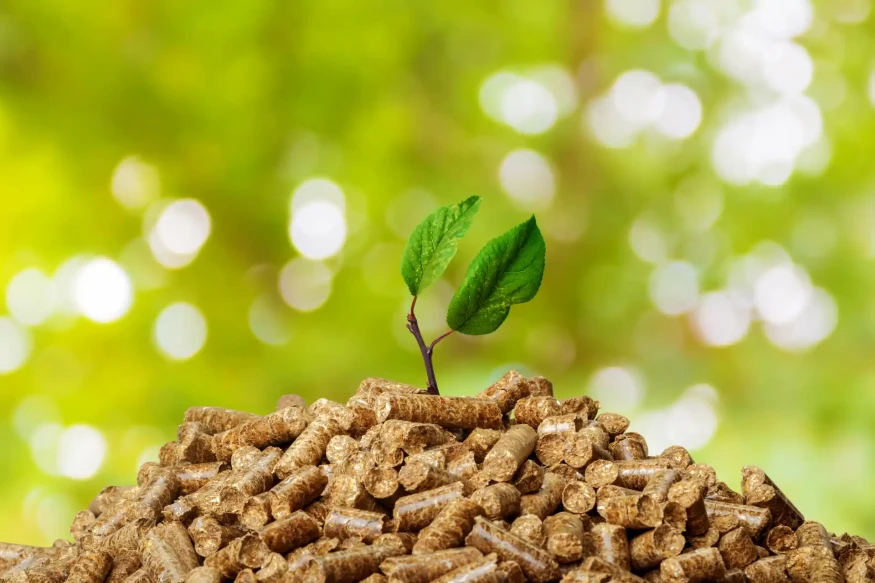
Chopping down trees in order to provide fuel for heating homes and businesses may not initially seem an environmentally friendly thing to do. However, much of the wood felled in the industry is sustainably grown and managed by farmers who grow trees or other suitable crops in order to produce fuel, and only produce as much biomass as is manageable in the overall life-cycle of their estate.
Biomass in large quantities can also come from reclaimed wood and plant material that would otherwise be destined to go to waste. The use of wood, be it recycled or directly felled, is actually considered to be potentially sustainable when sourced and managed correctly. Another environmental consideration with biomass boilers is the emissions produced by the large vehicles that deliver the wood fuel. Nonetheless, the wood can usually be sourced from the local area, which can keep fuel delivery emissions to a minimum, as well as boosting the local economy. What’s more, given that some fuel silos can hold a year’s worth of fuel, these deliveries will not need to take place regularly.
It is advisable to always check with your fuel supplier that the wood has been sustainably sourced and produced as this will mitigate any unnecessary costs to the environment as a result of your biomass system. For more information on the sustainability of biomass, see the formerly Government-run Biomass Energy Centre website (now archived, but still containing useful background information).
Biomass emissions
The burning of biomass does, of course, result in both carbon dioxide and nitrogen dioxide emissions (NO2 and CO2), the carbon produced being broadly comparable over the lifecycle to the amount absorbed by the plant during its growth when sustainably sourced, so the total carbon emission is considered low on a lifecycle basis rather than negligible. If the burning process within your boiler is faulty or the system has not been set up correctly, then the emissions (due to the incomplete combustion of the fuel) can produce carbon monoxide (CO), benzene and volatile organic gases, among other toxic substances that can be carcinogenic, so please ensure your boiler is serviced well and is operating inside the manufacturers guidelines at all times.
In addition to gaseous emissions, biomass combustion can also produce particulate matter (PM). Modern biomass boilers are designed to minimise particulate emissions through improved combustion control and filtration, but air quality considerations remain important, particularly in urban areas.
COMPARE PRICES FROM LOCAL INSTALLERS
Compare prices from local companies fast & free
Enter your postcode to compare quotes from leading professionals. We promise to keep your information Safe & Secure. Privacy Policy
Ash waste
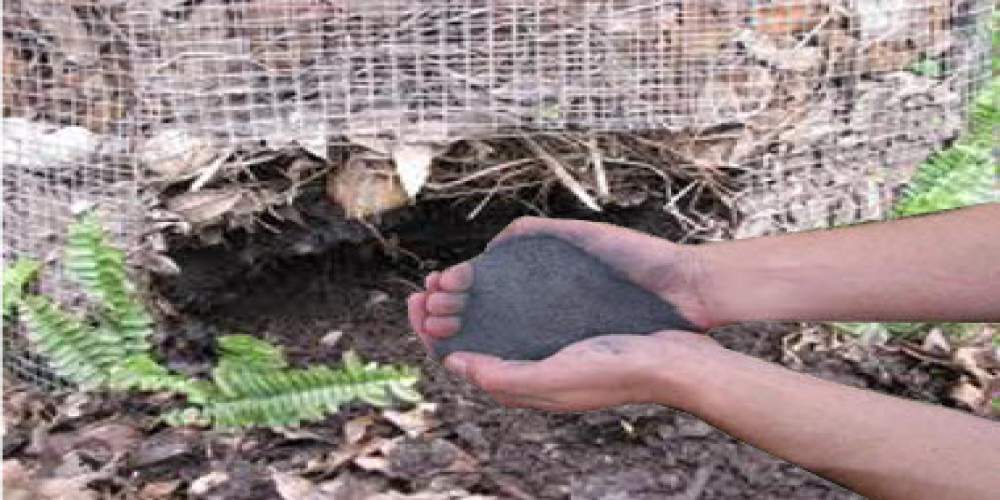
The ash produced by most biomass boilers is considered to be generally low-hazard and suitable for disposal as non-hazardous waste. This can be used by horticulturalists for compost where appropriate and permitted, or simply be sent to landfill as this is a naturally occurring by-product of combustion. There is currently no specific requirement for most domestic biomass ash to be disposed of under controlled hazardous-waste conditions, though local guidance should always be followed.
Smoke control areas
If you live in a smoke controlled area and you wish to own a biomass boiler you can chose one of the approved appliances from the ‘Exempt Appliances List’ otherwise you must contact your local authority for approval before purchase. Check on the relevant GOV.UK Smoke Control guidance for information on how to establish what permissions are likely to be granted in your particular circumstances.
All new biomass boilers installed in the UK must meet current Ecodesign and emissions standards, which set limits on efficiency and pollutant output and are intended to reduce environmental and air quality impacts.

Any biomass system where you intend to burn waste wood as a fuel, may require a license (depending upon your circumstances) so it is advisable to check with your local authority if you intend to do this (especially if on a large scale).
Find a local installer
Welcome to the biggest directory of UK renewable energy companies
 Is a Biomass Boiler Suitable for my Property in the UK?