

.png)

Read Time : 3 Minutes
What are the Different Types of Wind Turbines? UK
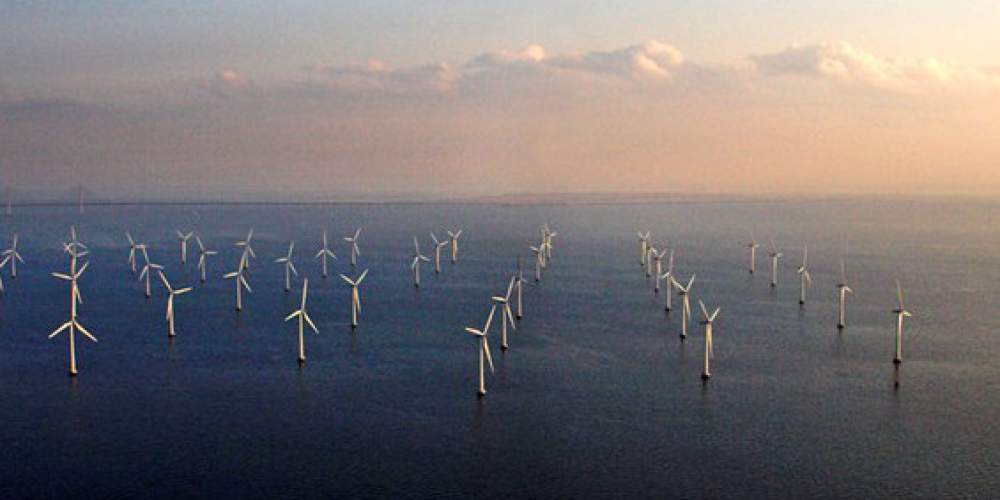
People tend to think about large collections of towers dotted across farmland and floating offshore when someone mentions wind turbines. In truth, they provide a significant proportion of the power that the UK enjoys as a renewable energy source. It’s not the only place where you can see them nowadays.
A single, roof mounted or free standing wind turbine can be used on its own to supply power for some domestic properties or businesses, particularly if they have the right conditions available. All wind turbines depend on a central axis that, when it turns, feeds into a generator and produces electricity. There are two ways this is normally done, with a vertical axis turbine or a horizontal one.
Horizontal Axis Wind Turbines
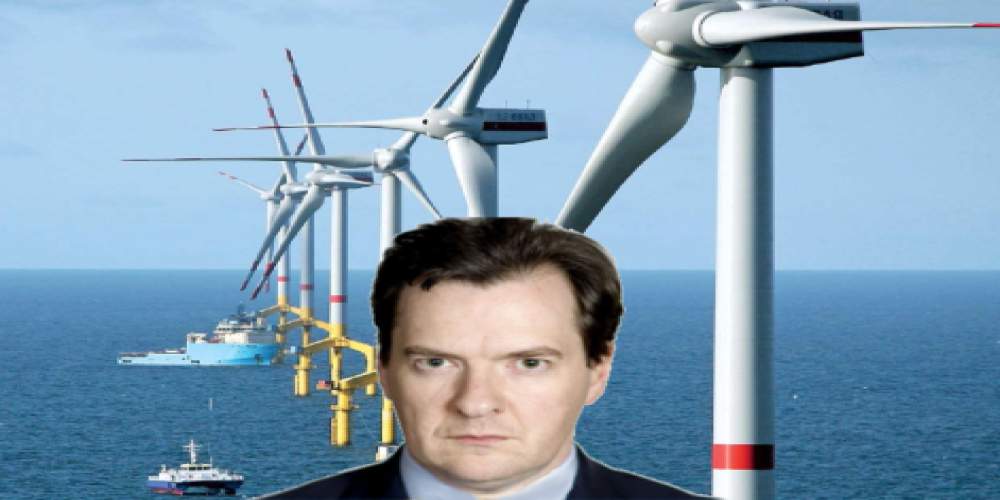
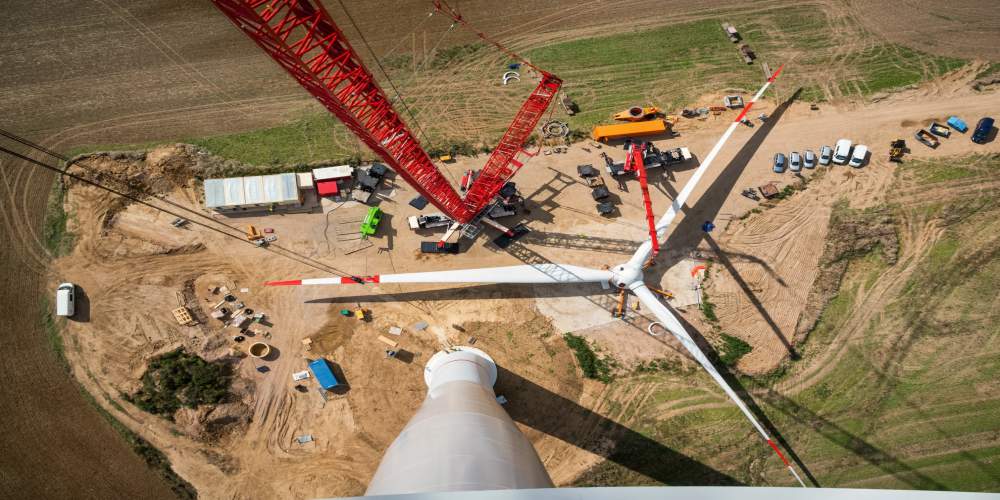
Think of those massive blades spinning offshore and you’ll have a good idea what a horizontal wind turbine looks like. It normally faces in one direction with the blades presented like the archetypal windmill. The main rotor shaft and generator is held in the box at the top of the array and everything is placed at the apex of a high column.
It’s suitable to be used in places where the wind factor is high because it is robust and built to withstand strong forces. The disadvantages of the horizontal axis wind turbine are that it requires heavy construction and they are often considered more obtrusive.
COMPARE PRICES FROM LOCAL INSTALLERS
Compare prices from local companies fast & free
Enter your postcode to compare quotes from leading professionals. We promise to keep your information Safe & Secure. Privacy Policy
Vertical Axis Wind Turbines
Wind turbines that have a vertical axis are starting to become more popular as a way for generating localised electricity particularly for specific architectural or demonstration projects. Because the axis is vertical, with the blades arranged around it, the array doesn’t need to be positioned directly into the wind as with horizontal axis turbines. The benefit of vertical axis turbines is that they can be placed much closer to the ground and are sometimes considered suitable for roof top arrays.
They are also lighter and can be more easily introduced into a domestic, town or inner city environment. An example of vertical wind turbines being used in a town environment is the installation of two at Porth Eirias in Colwyn Bay.
How Wind Turbines Generate Electricity
When the blades of a wind turbine turn, they rotate the axis which feeds into a generator. This creates electrical power (typically variable-frequency AC) which can then be passed through power electronics and an inverter that conditions it to AC suitable for powering your home. If you are using it just as your own power source then you can charge up batteries or if you are producing an excess amount of power then you can sell it to the grid and receive payments under the Smart Export Guarantee (SEG).
Which Wind Turbines are Suitable for Me?
Whereas a renewable technology like solar panels simply needs a good roof to make it a viable proposition, opting for a wind turbine to power you house or business will need a little more thought. You need an optimum wind speed of around 5 metres per second (as a general minimum guideline) and you need an unobstructed space – in other words little in the way of trees, buildings or walls to prevent that wind getting to you or interrupting the flow. Because of this, most urban and suburban properties would find it difficult to get the benefits from a wind turbine.
If you think your house or business should have a wind turbine then the Energy Savings Trust suggests that you fit an anemometer, or wind gauge, for a number of months to check on the viable wind speeds. Home wind turbines can either be used to power a single building or can be connected to the grid and benefit from the Smart Export Guarantee (SEG). For sites that would suit a wind turbine there are two types of installment that can be used, roof mounted and free-standing.
Roof Mounted Wind Turbines
As you might expect these are placed on the roof and are used to feed electricity directly to a property. In this case the property provides the height to get the required wind force. The advantage of a roof mounted turbine is that it presents less difficulty with installation and is cheaper (). The disadvantage is that it may not provide the power that you need for all your own electricity nor the higher levels that mean you can make a profit from the Smart Export Guarantee by selling your excess to a power station.
As you might expect these are placed on the roof and are used to feed electricity directly to a property. In this case the property provides the height to get the required wind force. The advantage of a roof mounted turbine is that it presents less difficulty with installation and is cheaper (a 1 kW system may cost around £2,000). The disadvantage is that it may not provide the power that you need for all your own electricity nor the higher levels that mean you can generate significant export income under the Smart Export Guarantee by selling your excess to a power station.
Free-Standing or Pole Mounted Wind Turbines
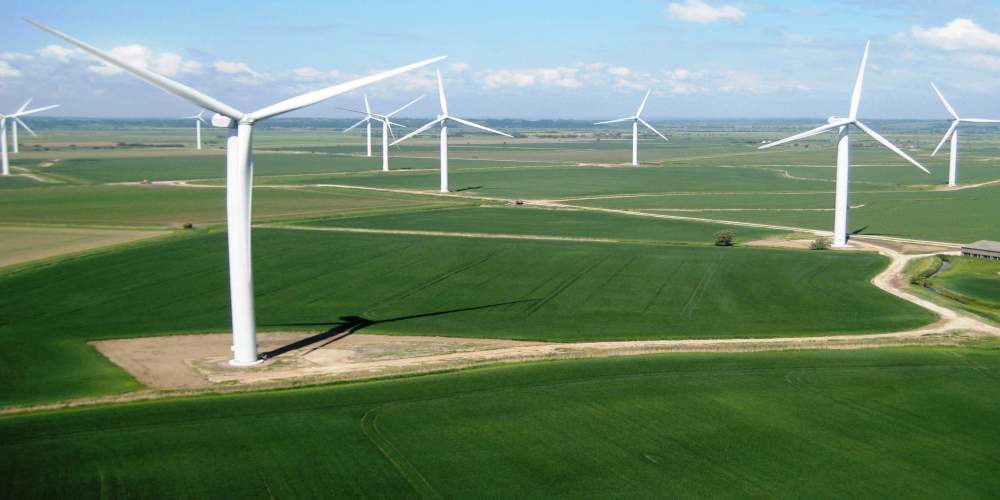
When it comes to wind turbines, height means everything. The ideal place for a free-standing turbine is on top of a hill with a smooth top that is free from turbulence and obstructions such as buildings. The benefit of free-standing turbines is that they produce a greater power output and are therefore more likely to deliver meaningful savings and export income with options such as the Smart Export Guarantee. The disadvantage is that they are not suitable for urban areas where you are likely to attract planning permission objections.
Free-standing systems are also more expensive than their house mounted counterparts, costing around £7000 for a 1.5 kW array.
The Future of Wind Turbines
Much work is being done on the design and efficiency of wind turbines, particularly over the last few years. In the future you may see airborne ones flying above your town or new, more exotic and aesthetically pleasing constructions on the roof of your neighbour’s house, though most innovation is currently focused on improving efficiency, durability and suitability for rural and offshore sites.
Find a local installer
Welcome to the biggest directory of UK renewable energy companies
 How does a Wind Turbine work?