

.png)

Read Time : 4 Minutes
Micro Combined Heat and Power, mCHP Systems UK
Disclaimer: This page provides an overview of micro combined heat and power (microCHP) technology, its intended role in domestic energy systems, and how it has been applied in the UK. While microCHP attracted significant interest in the 2000s and early 2010s, uptake has been limited and the technology is now largely considered niche.
An introduction to 'Micro Combined Heat and Power'
What is microCHP?
The term micro CHP refers to a group of technologies that generate both usable heat and electricity. The technology was developed to increase the amount of energy harnessed when burning fuel to generate electricity, thereby increasing the efficiency of the combustion process. The primary benefit of micro CHP (Micro Combined Heat and Power) is that the technology utilises a greater percentage of the energy stored in the fuel than current market offerings (e.g. condensing boilers).
Domestic Micro CHP boilers were designed to not only create heat for spaces and hot water (much like a conventional boiler on the outside, but very differently on the inside), but also produce electricity for use in your home – it is the heat by-product of the electricity generation process that actually heats your home.

A microCHP boiler typically uses mains gas or LPG, so they aren’t considered a renewable energy source, however due to their efficiency and productivity, they were expected to significantly lower carbon dioxide emissions and are often described in early literature as the future of domestic carbon emission depletion. They may in the future be able to utilise bio-oils, fuel cells or other renewable energy sources, but at present the technologies that are currently ready for market deployment have historically been developed to use mains natural gas.
COMPARE PRICES FROM LOCAL INSTALLERS
Compare prices from local companies fast & free
Enter your postcode to compare quotes from leading professionals. We promise to keep your information Safe & Secure. Privacy Policy
Smart Export Guarantee for microCHP
The SEG launched on 1 January 2020 and is a government-backed initiative. The SEG requires some electricity suppliers, known as SEG Licensees, to pay small-scale generators, known as SEG Generators, for low-carbon electricity which they export back to the National Grid, providing certain criteria are met.
Anyone with an installation of one of the following technology types up to a capacity of 5MW, or up to 50kW for microCHP, may be eligible subject to technology type and certification. In practice, most domestic mCHP systems do not qualify.
The Case for microCHP Systems
- The technology promotes Cogeneration
- 73% of all residential CO2 emissions come from heating and hot water
- They reduce carbon emissions
- Industrial power generation is under increasing pressure to meet demand
- Fuel Poverty is increasing
- Energy Security
- Energy efficiency actions and climate change.
We here at The Renewable Energy Hub try to keep our information as up-to-date as possible; we pride ourselves on providing you with as much useful information as possible. The tabs on the left will direct you to the information you are looking for. Below, you will find a short outline of some of the sections to help you find the information you are looking for.
A History of microCHP
Micro Combined Heat and Power is a term that refers to a group of technologies that generate both heat and electricity at the same time. Developed to increase the amount of energy harnessed when burning fuel to generate electricity it has been used in the industrial sector since the 1960s but through technological development has been adapted for domestic heat and power needs.
Hailed as the future of domestic carbon reduction it’s something we may well all be very familiar with in the not too distant future. This section tells you about its beginnings and charts the technologies development to the current day.
Types of microCHP and CHP Technology:
There are three basic elements to most combined heat and power technologies: the ‘prime mover’, which is basically the engine that creates the mechanical power, the 'electric generator' and the 'heat recovery unit'. From these parts a variety of different technologies have been manufactured and developed. These range from fuel cell mCHP units which generate electricity and heat by extracting energy from fuel at a chemical level, to Stirling engine generators that use standard combustion methods to drive an engine.
Learn all about the different types of microCHP engines in this article.
How do microCHP Systems Work in a Home or Business?
Micro CHP systems have been used successfully in the industrial sector since 1970 but the technology hasn’t been widely applicable for domestic use, largely due to the system’s size, weight, noise and cost. However, due to technological advancement the technology was later adapted for use in homes and small businesses. This said, despite adaptation, uptake remained limited.
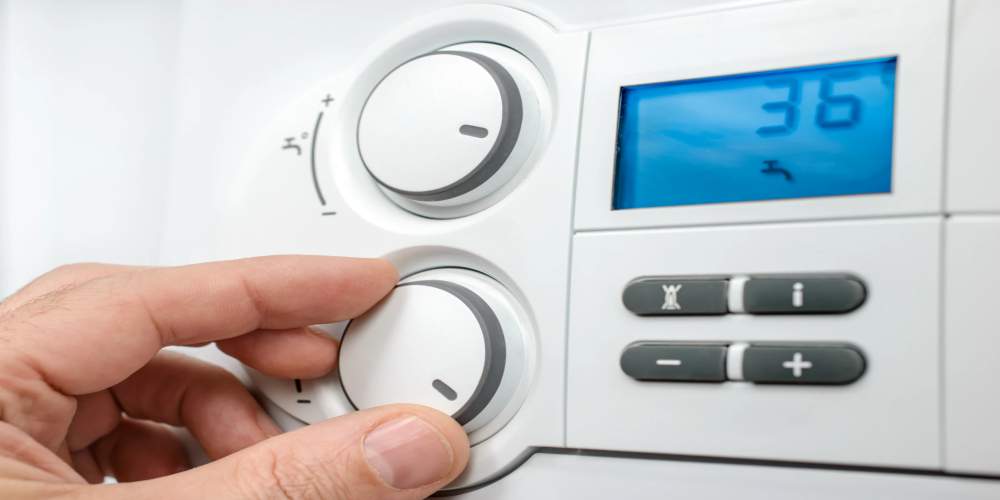
These domestic mCHP systems are similar to a domestic boiler in size and weight and in the function of producing heat, the difference being that they produce electricity at the same time. There are currently very few mCHP boilers on the domestic market and many products originally planned for release were not commercialised at scale.
microCHP Domestic and SME Applications:
For domestic and small to medium enterprise (SME) applications, the micro CHP unit in your home or business will do much the same as the larger scale CHP models but on a much smaller scale.
As previously mentioned, at an industrial scale, a vast amount of energy is wasted, both in its creation at the power plant and in its transference to your home or business (this industrial process can be as low as 30–40% efficient). It is this on-site, co-generation method that greatly increases the efficiency of the energy production process and thereby lowers the combined carbon footprint and reduces your reliance on expensive 'dirty' electricity from the national grid; mCHP domestic boilers have claimed total efficiencies of up to 98% under ideal test conditions.
microCHP in Industry:
These are typically the largest type of CHP plants. Ranging in scale from a few MWe to the size of a conventional power station, these plants provide high value heat – at the temperatures and pressures often required by industry – along with electricity. In some cases surplus heat can also be used to meet heat requirements of the surrounding local community.
microCHP Boiler Cost
MicroCHP systems were positioned as a logical replacement for a wall hung boiler and were expected to be suited to nearly all homes across the UK. If purchased during the period when the Feed-in Tariff was open, they had the ability to benefit from the microCHP feed-in tariff and generation tariff for the full ten years allotted by the government. Although this scheme has now ended.
They also produce electricity as well as heat, so they are a more efficient use of the gas you pay for. With this, it can be said that the money you save on energy bills was intended to cover part or all of the initial investment, giving the units a supposed pay-back period.
They will also most likely lower your household’s carbon emissions due to the efficiency of the energy producing process. Some new mCHP boilers that are still in the development stage and not yet in deployment, have claimed efficiencies of up to 92%, which could save up to around 2.6 tonnes of CO2 emissions a year. These pages will describe what this could mean to you. Read more here....
Find a local installer
Welcome to the biggest directory of UK renewable energy companies
 Types of CHP and Micro CHP Technology