

.png)

Read Time : 2 Minutes
Renting land for Wind Farms
Can I rent my land for a wind farm?
If you are a landowner or farmer with a suitably sized and located space for large scale wind turbine installations (typically modern onshore turbines of around 4–6MW, around 2-20 turbines), you may be able to rent your land to specialist wind developers. These companies will usually pay for 100% of the project, and will pay you a sum based on the number of wind turbines and their total performance/energy output or an agreed fixed or hybrid rental structure, which is now common practice.
COMPARE PRICES FROM LOCAL INSTALLERS
Compare prices from local companies fast & free
Enter your postcode to compare quotes from leading professionals. We promise to keep your information Safe & Secure. Privacy Policy
Usually your land will need to have the following attributes:
- An annual average wind speed of at least around 6m/s
- Access for works vehicles (lorries, cranes, etc.)
- Not be too close to any dwellings
- A connection to the electricity grid or a feasible route to secure one
This kind of arrangement offers significant benefits; usually the landowner will have to cover no capital cost whatsoever, with the wind developer funding the project from the initial feasibility stage through to decommissioning. The financial benefits for the landowner are therefore low-risk rather than entirely risk-free, and potentially very high, especially if the wind speeds are high.
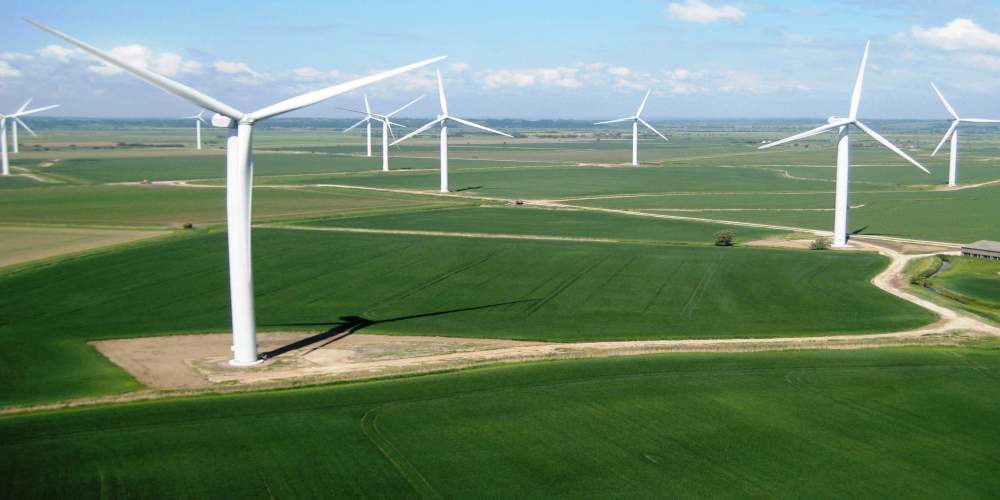
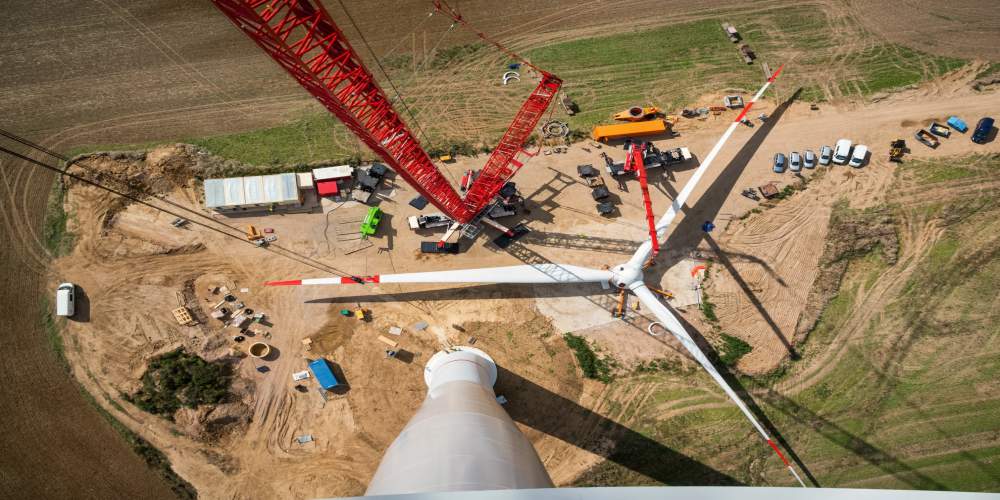
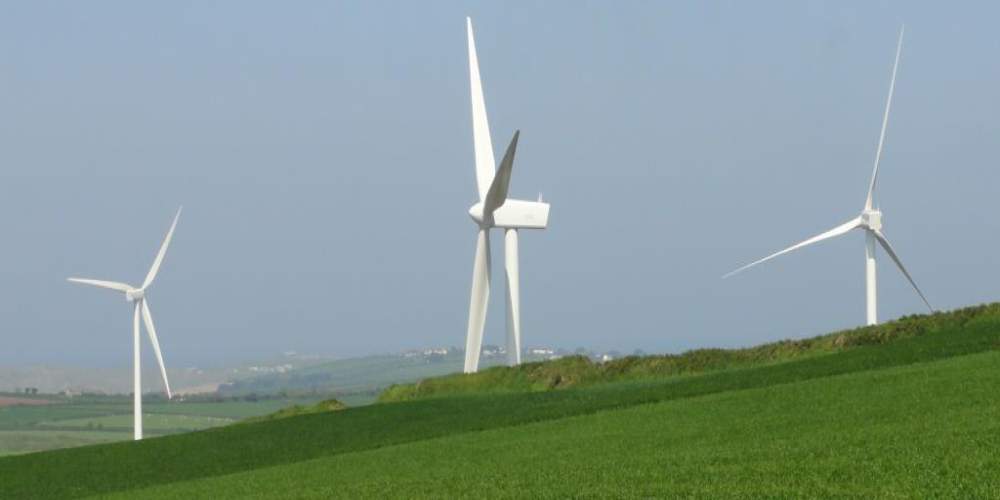
What’s more, despite the large area needed for the installation of turbines (often 40–100 acres per turbine when spacing is included), a very small percentage of the land is taken up by the turbine, leaving the remaining space free for normal farming activity. Livestock are also unaffected by the turbines.
Obviously such projects can have a large impact upon the surrounding area, so it is first necessary to obtain planning permission (which, following changes to planning policy in England in 2023–2024, is generally more permissive for onshore wind where local support is demonstrated) and engage in a public consultation. It is also necessary to bear in mind that you will often be tied into a contract for a long period of time, often 25–30 years, and you will have little control over the project (though by the same token you won’t have to maintain the system yourself).
Before a lease is granted, landowners are usually asked to enter into an option agreement. This typically:
- runs for several years
- gives the developer exclusivity while feasibility, grid and planning work is carried out
- pays a smaller annual option fee
- does not guarantee that a wind farm will ultimately be built
It is also important to consider grid connection constraints. Even where land is suitable:
- local grid capacity may be limited
- connection costs can be significant
- grid delays can affect project timelines or viability
Rental income and commercial terms can vary widely depending on:
- turbine size and number
- electricity generation
- location and grid availability
- negotiated lease structure
Landowners should also consider tax and estate planning implications, including:
- income tax on rental payments
- potential effects on agricultural or business property relief
- inheritance planning considerations
At the end of the project life, turbines are normally removed and the land reinstated. Lease agreements usually set out:
- decommissioning responsibilities
- land restoration requirements
- whether financial security or guarantees are provided
Many modern wind projects also include community benefit arrangements, such as:
- local community funds
- payments or benefits for nearby residents
Finally, wind farm developments can place restrictions on wider land use, including:
- limits on new buildings or tree planting
- aviation, radar or telecommunications constraints
- reduced flexibility for future development plans
Find a local installer
Welcome to the biggest directory of UK renewable energy companies
 How does a Wind Turbine work?