.png)

Read Time : 3 Minutes
What Are the Different Types of Solar Panels and Photovoltaic Cells?
Solar panels turn sunlight into electricity. That electricity powers our homes, street lighting, and even heavy industry. On a large scale you’ll see them spread across solar farms; on a smaller scale they sit quietly on rooftops across the UK.
Solar Panels at a Glance
Most photovoltaic (PV) panels are made from silicon, or a variation of it.
There are several formats available, including standard framed panels, solar tiles, thin film products and lightweight options.
What separates one panel from another is largely the structure and purity of the silicon used. The more uniform and well-aligned the silicon crystal structure, the more efficiently it can convert sunlight into usable electricity.
Higher efficiency panels tend to cost more, but efficiency alone shouldn’t be the deciding factor when choosing a system.
COMPARE PRICES FROM LOCAL INSTALLERS
Compare prices from local companies fast & free
Enter your postcode to compare quotes from leading professionals. We promise to keep your information Safe & Secure. Privacy Policy
Monocrystalline Silicon Solar Panels
Monocrystalline panels are generally the most efficient widely available option, typically achieving efficiencies of around 20–23%. Because they convert more sunlight into electricity, they produce more power per square metre and require less roof space than other types. They also tend to perform slightly better in lower light conditions and usually have a long lifespan.
The drawback is cost. They are usually more expensive than other panel types, which can put some homeowners off. Production can also involve more material waste, as the silicon crystal is cut into wafers. Like all panels, their output can be affected by shading or heavy dirt build-up.
Typical efficiency: 20–23%. These panels are made from a single, continuous silicon crystal, which is what gives them their higher performance.
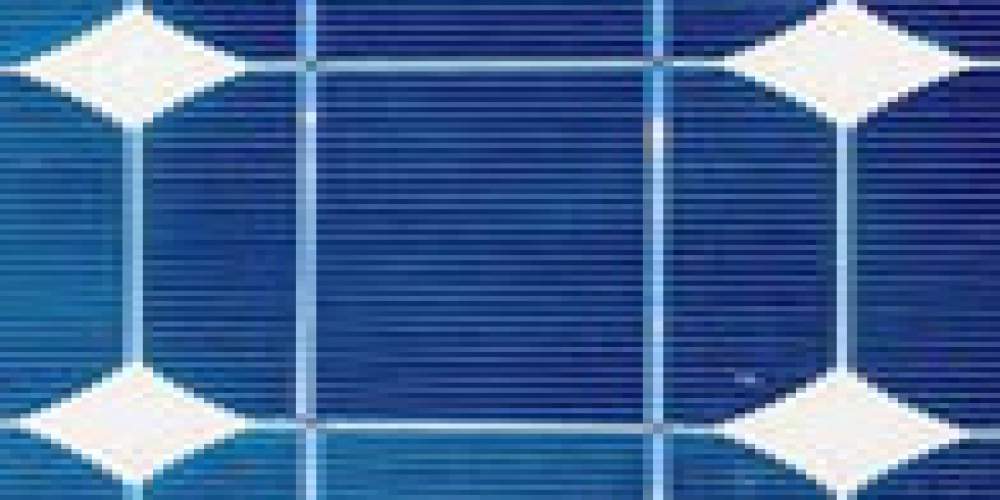 |
Monocrystalline siliconTypical efficiency 15%. One of the most effective PV cells currently available on the market, and consequently among the most expensive they are cut from a single silicon crystal. |
Polycrystalline (Multi-crystalline) Solar Panels
Polycrystalline panels typically operate at efficiencies between 15–18%. They are made by melting multiple silicon fragments together and allowing them to recrystallise. The manufacturing process is simpler and generally produces less waste than monocrystalline production, which helps keep costs lower.
They can be a good middle-ground option for many households. However, because they are slightly less efficient, you may need a larger roof area to achieve the same power output.
Typical efficiency: 15–18%. They use multiple silicon crystals rather than a single one.
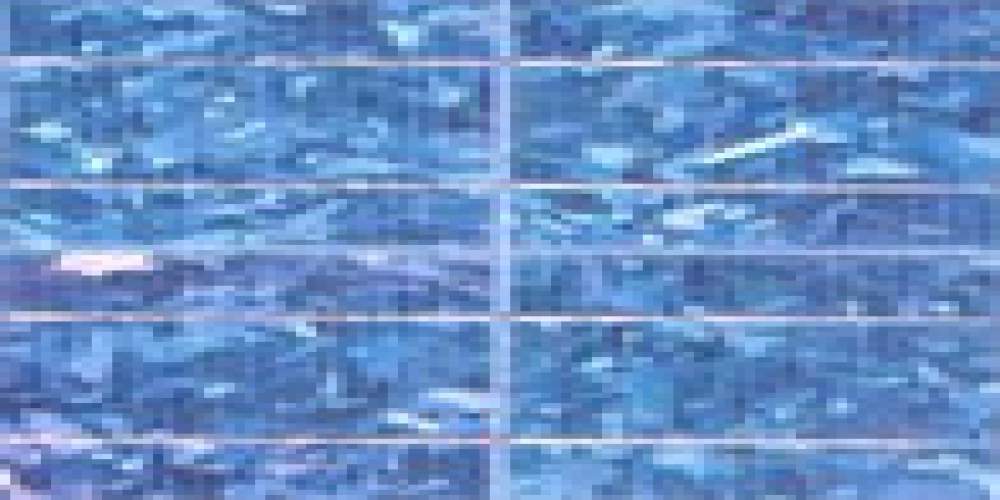 |
Polycrystalline (or multicrystalline) siliconTypical efficiency 13%. Although cheaper to produce and slightly less efficient than monocrystalline cells, polycrystalline cells are still cost-effective, they are made from a number of smaller silicon crystals which are melted or recrystallised. |
Amorphous / Thin Film Solar Panels
Thin film panels usually fall within the 10–13% efficiency range. They are made by depositing a very thin layer of non-crystalline silicon (or other semiconductor material) onto a surface such as glass or metal.
They tend to cost less to manufacture and can perform reasonably well in diffuse or lower light conditions. Their flexibility means they can be used in applications where rigid panels wouldn’t be suitable.
The downside is lower efficiency, meaning they require more space for the same output. They also tend to degrade more quickly than crystalline panels and are less common for domestic rooftop installations.
Typical efficiency: 10–13%.
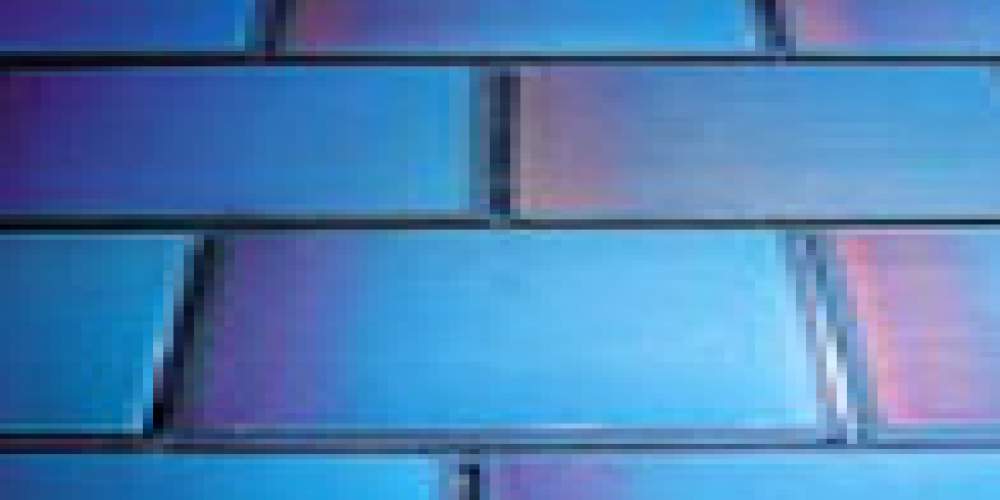 |
Amorphous/thin film siliconTypical efficiency 7%. One of the least efficient cell types on the market, and consequently the cheapest. Amorphous cells work well at lower light levels and can even generate electricity from bright moonlight, they are made from non-crystalline silicon and transferred as a flexible film onto another surface such as glass. |
Hybrid and Emerging Solar Cells
Hybrid and tandem cell technologies combine different materials to increase performance. Some commercially available hybrid designs now exceed 24% efficiency.
Many of these technologies are still evolving. While promising, they often come at a premium and are not yet as widely used as standard silicon panels.
Typical efficiency: roughly 18–24%, depending on the design and materials used.
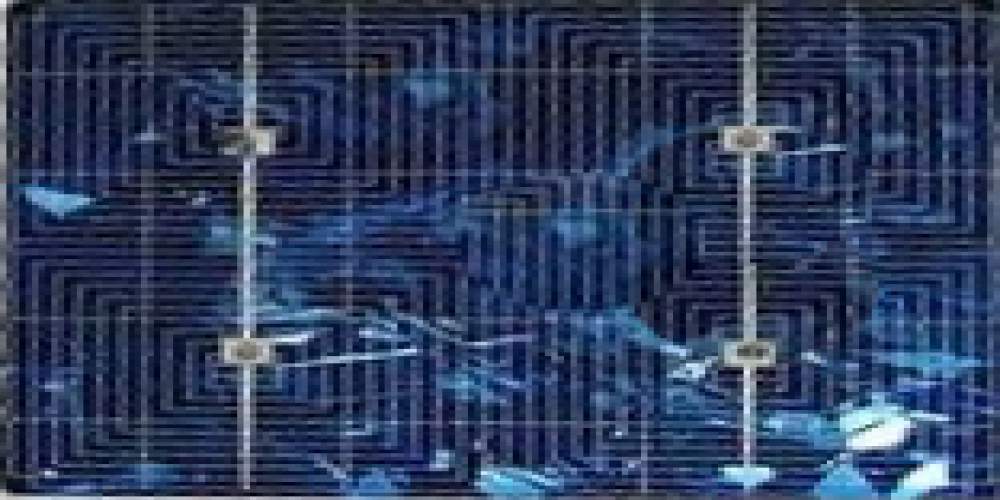 |
Hybrid siliconTypical efficiency 18%. The most expensive PV cell type available on the market, but also the most efficient, it uses a combination of monocrystalline and amorphous cells for maximum efficiency. |
Other Types of Solar Panels
Solar Tiles (Solar Shingles)
Solar tiles are designed to blend into a roof more seamlessly than standard framed panels. Instead of sitting on top of existing tiles, they replace part or all of the roof covering.
They can work well for new builds or full roof renovations and are often chosen for aesthetic reasons. However, they are usually less efficient than traditional panels and can cost more per installed kilowatt.
Thin Film Panels for Flexible Applications
Thin film technology is also used in lightweight and portable systems. Because these panels are flexible, they can be rolled, folded or integrated into products such as caravans, tents or temporary structures.
Some thin film panels use cadmium telluride, which requires careful handling and responsible disposal at end of life.
Tempered vs Plate Glass Solar Panels
When comparing panels, most people focus on power output and efficiency. The type of glass used is rarely considered, but it plays an important role in durability.
Tempered (or toughened) glass is stronger than standard plate glass and better able to withstand impact and temperature changes. It may cost slightly more, but it can contribute to a longer-lasting installation.
Size and Wattage of Solar Panels
The output of a solar system depends on three main things: system size, positioning and panel quality.
For many UK households, a 3–4kWp system is common. The exact size you need will depend on your energy use and the available roof space.
As a rough guide, around 8m² of roof space might accommodate a 1kWp system, while 21–28m² could allow for a 3–4kWp system. Higher efficiency panels reduce the space required to generate the same level of power.
How do I find the right Solar Panels for me?
For someone new to solar, the choice can feel overwhelming.
The best option will depend on your roof size, orientation, shading levels and budget. A south-facing roof with minimal shading will typically achieve the best performance, but east and west orientations can still work well.
Some homeowners prioritise aesthetics and opt for solar tiles. Others focus on output per square metre and choose monocrystalline panels. Thin film panels may suit specialist applications where weight or flexibility matters.
Speaking to an experienced installer can help you weigh up the trade-offs and decide what makes sense for your property.
The Future of Solar Panel Technology
Solar technology continues to evolve. Manufacturers are working on improving efficiency, reducing material use and lowering production costs.
Research into cadmium telluride and perovskite cells has shown promising efficiency gains in laboratory settings. However, long-term durability and large-scale manufacturing remain key challenges for newer technologies.
Solar glass and solar windows are also under development, aiming to integrate energy generation directly into building materials.
Solar technology has already come a long way. It’s likely that future systems will be more efficient, more discreet and more affordable than ever before.
Find a local installer
Welcome to the biggest directory of UK renewable energy companies
 How much do Solar Panel Systems Cost? UK Prices 2026