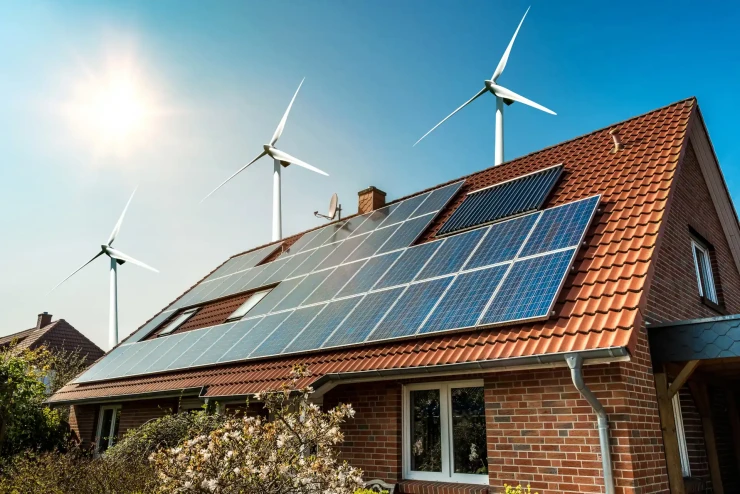
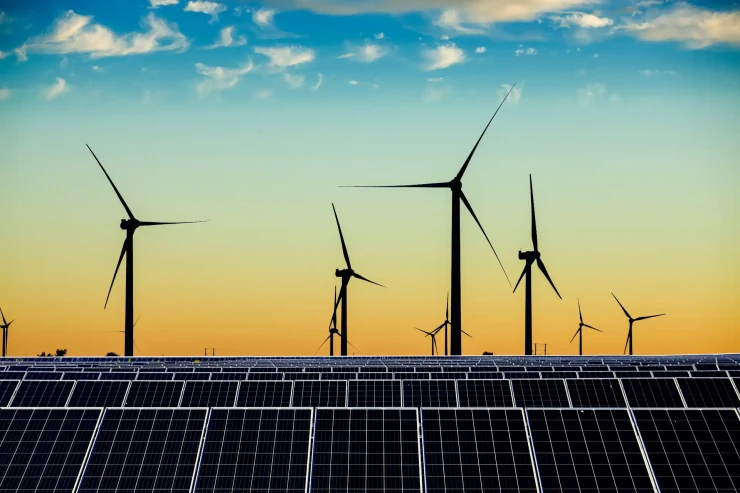
Britain’s electricity system is set to produce more power than it needs this summer, driven by strong growth in renewable energy and lower seasonal demand. In fact, this could be the first summer that the grid runs entirely on zero-carbon electricity, according to the Guardian. Britain has already hit a double solar power record on two consecutive days this year following a period of sunny spring weather earlier this month. On 6 April, 14.1GW of low-carbon electricity was generated at lunchtime, overtaking the previous high of 14GW in July 2025. This record was then broken the very next day with a new high of 14.4GW that afternoon.
COMPARE PRICES FROM LOCAL INSTALLERS
Compare prices from local companies fast & free
Enter your postcode to compare quotes from leading professionals. We promise to keep your information Safe & Secure. Privacy Policy
This solar record came less than a fortnight after Great Britain’s windfarms reached a record high, driving gas-fired power generation to a two-year low.
Renewable energy produced a record amount of electricity in Great Britain last year, with wind the biggest single renewable source. Solar-powered electricity rose by almost a third on 2024 levels. 2025 was the UK's sunniest year on record, and it was also a record year for rooftop solar panels, with about 250,000 new small-scale installations reported to the Microgeneration Certification Scheme.
According to BBC analysis of the National Energy System Operator (NESO)’s data, on approximately a third of days in 2025, at least half of Britain's electricity came from renewables. Despite this, the British electricity grid often still leans heavily on fossil fuel gas. Gas-fired power stations currently help balance the electricity system by rapidly increasing output when renewable generation is intermittent.
Solar power generation is expanding all the time. Just recently, the 800MW Springwell Solar Farm was given approval to go ahead, which, when complete, will be Britain’s largest power-producing solar farm.
The plentiful supply of low-carbon electricity could, on a bright and breezy summer weekend, lead to parts of the electricity system becoming overloaded with renewable energy. This could raise the risk of an unplanned blackout, due to bottlenecks in Great Britain’s electricity grids.
A particular challenge presented by the growth of solar power is that some generation comes from rooftop panels not directly visible to the transmission network. This makes it more difficult to predict supply and manage fluctuations.
Although NESO has said that supplies will remain secure throughout 2026, it has warned that managing excess electricity will become an increasing challenge. A combination of higher output from solar panels and expanding wind capacity is expected to exceed demand at times, particularly during sunnier days. NESO is addressing this by expanding its demand flexibility service to enable households and businesses to be paid to increase electricity use when supply is high. The change was approved by the industry regulator, Ofgem, last month and NESO said it would ensure the system is resilient over the summer, and avoid surplus power being wasted.
This shift reveals a longer-term change in the energy system, as renewable sources replace fossil fuels and introduce more variability into supply. Instead of focusing principally on ensuring enough generation, the system is essentially geared towards balancing periods of surplus.
NESO is hoping that it can avoid making substantial payments to turn off wind and solar farms when electricity demand is low by issuing a market notice to call on energy users to use more power. These potentially hefty payments will ultimately be paid for through everyone’s energy bills. NESO hopes that using incentives to call on households to increase their consumption can help to avoid unnecessary costs when supply exceeds demand.
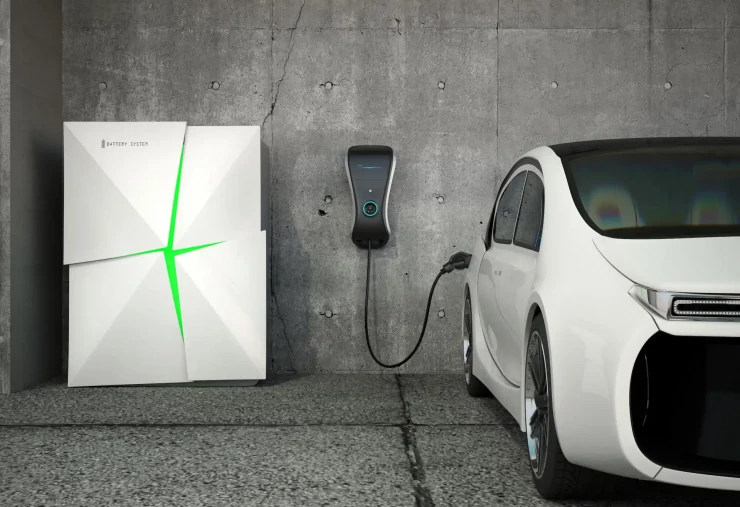
To try and prevent this scenario, households will be urged to shift more of their electricity use to periods of high renewable supply this summer to help balance the grid and cut soaring energy bills. New plans could see people being encouraged to run appliances such as dishwashers and washing machines or charge their electric vehicles during off-peak hours, to help absorb excess energy, when there’s more wind and solar power than the electricity grid needs.
Energy suppliers have been enlisted to help deliver these plans which could include them offering heavily discounted or even free electricity to their customers during specific periods when the energy system operator predicts there will be a surplus of electricity. These specific ‘events’ usually last 30 minutes to an hour and customers’ exact usage is measured by a smart meter. These events can vary by area, so that customers in one part of the country could be encouraged to increase use, while others in a different location could be incentivised to curb consumption.
Companies that have signed up to the scheme so far include British Gas, Equiwatt and Octopus Energy.
British Gas said it already runs a separate scheme, PeakSave, offering customers half price electricity on Sunday afternoons when usage is lower, and when there is an oversupply of renewable energy.
It said it was exploring with NESO how the Demand Flexibility Scheme would work in practice.
Octopus said it had long been offering customers discounts for periods when there is lots of green energy, which it said had saved customers millions.
Octopus added:
"The changes made to the DFS scheme mean customers can benefit from using more energy when renewables are high, reducing the amount of wind and solar that need to be turned off."
NESO said:
"The complexity of operating the system at low demand is increasing, and we may need to use more of our tools, and use them more often, than in previous summers."
This may mean that on rare occasions they may issue notices to power stations telling them they may need to turn down output to ensure safety in periods of low demand.
Households could find this offer particularly attractive this summer as they face the government’s cap on dual fuel energy bills potentially rising to almost £2,000 a year from July due to the escalating energy market costs since the ongoing geopolitical tensions in the Middle East.
Dr Deborah Petterson, NESO’s director of resilience and emergency management, says:
“Tools such as the Demand Flexibility Service not only reward consumers and businesses for flexible electricity use but also strengthen the resilience and efficiency of Great Britain’s electricity network.”
Electricity demand on the transmission system could fall below previous record lows this summer, partly due to increased local generation. In the future, grid upgrades should make it easier for renewable energy generated far away from major population centres to be distributed to more areas of demand without the need for switch-off payments.
There is also likely to be more power consumed by EVs, heat pumps and green hydrogen makers across the country by the 2030s, which will further reduce the need to restrict green energy.
Businesses and manufacturers will also be able to boost their demand for electricity at certain times in exchange for better rates.
As far as gas is concerned, Britain does not expect to have any problems having enough gas this summer as energy demand is normally limited. The owner of Great Britain’s gas grids, National Gas, expects the country to rely primarily on North Sea gas from Norway and the UK to meet its summer demand.
However, analysts are monitoring the impact of a blockade on Gulf oil and gas exports before the winter when gas is in greater demand for heating and power plants and any impact is likely to become more apparent.
While market pricing is expected to encourage greater electricity use during periods of surplus, NESO has said that additional measures may still be needed to help balance the system. NESO can export excess energy to neighbouring European countries via interconnector cables, store energy in batteries or hydro-electric systems and work with generators to adjust output where needed.
The operator still has measures at its disposal to balance the system if required, including issuing market notices to elicit action from generators and flexibility providers. However, the focus is shifting more towards earlier and more active demand management.
Many energy suppliers are already offering over 2 million households the opportunity to pay lower rates for electricity used during off-peak hours, although this will be the first time that the system operator will use this tool to help balance the grid. Off-peak hours normally run overnight between 11pm and 8am and can offer cheaper rates depending on the supplier. Anyone using a smart-energy tariff has been urged to make the most of their electricity use. It’s the best time to charge up your vehicles or to set your washing machine to run. This helps put the energy to effective use during the early hours of the morning rather than at peak times. UK peak times generally occur on weekdays between 4pm and 7pm or 8pm when most people are home from work and doing household chores.
Britain’s renewable energy boom is creating a new challenge. As wind and solar generation continues to surge, managing periods of surplus electricity is becoming just as important as keeping the lights on.
For households, this shift could bring real benefits. By using more electricity when renewable supply is high, consumers can help stabilise the grid while taking advantage of cheaper and sometimes even free power. What was once a passive system is quickly becoming more interactive, with households playing a direct role in balancing supply and demand.
As grid upgrades, energy storage, and electrification continue to grow, the need to switch off renewable generation should reduce. But for now, flexibility will be key. This summer could mark a turning point, where using electricity at the right time becomes just as important as how much you use.
Find a local installer
Welcome to the biggest directory of UK renewable energy companies