In 2025 alone, MCS-certified installations surpassed 257,397 units, marking a 32% year-on-year increase in homeowners taking control of their energy production.
To choose the right path, you have to look past the sales jargon and understand how the UK energy market actually values your power.
This guide breaks down battery storage and grid export in practical UK terms, helping you understand which strategy may make more financial and environmental sense.
For a more in-depth guide on batteries for solar panels, head over to our main solar battery article.
Understanding the Two Options: Battery Storage and Grid Export
Before deciding, you must understand exactly how these two mechanisms handle your surplus energy.
Battery Storage
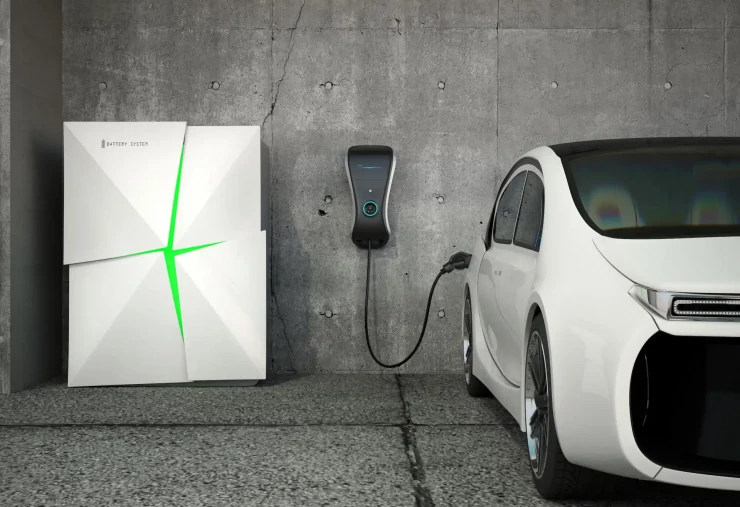
Solar battery storage is a system that stores excess electricity generated by your solar panels so it can be used later, rather than being sent back to the grid immediately.
This can help homeowners maximise the use of their own renewable electricity, particularly during evenings when solar production is low but household demand is often higher.
How Battery Storage Works:
- Solar panels generate electricity during daylight hours
- Your home uses the electricity it needs first
- Excess electricity charges the battery system
- Stored electricity remains available for later use
- During evenings or low-generation periods, your home draws power from the battery before importing from the grid
- If the battery is depleted, grid electricity supplies the remaining demand
Grid Export
Grid export allows homeowners to send surplus solar electricity back to the UK electricity grid in return for payments through an eligible export tariff.
This is currently supported through the Smart Export Guarantee, which requires certain suppliers to compensate households for exported renewable electricity.
How grid export works:
- Solar panels generate electricity during daylight hours
- Your property uses the electricity it needs first
- Excess electricity is automatically exported to the national grid
- Your supplier measures exported electricity through a compatible smart meter
- You receive payments based on your agreed SEG tariff
- When solar generation falls, your property imports electricity from the grid as needed
Battery Storage vs Grid Export: The Key Differences
|
|
|
|
|
|
|
|
|
|
|
|
|
|
|
|
|
|
|
|
|
|
|
|
|
|
How to Choose Between Battery Storage and Grid Export in the UK
Many factors influence your choice between the two. Let’s see what they are:
- Daily Energy Usage: If your home is empty during the day or uses more electricity in the evenings, battery storage often delivers better value by storing unused solar power for later use rather than exporting it cheaply.
- Upfront Budget: Grid export is generally more affordable initially, while battery storage requires a higher upfront investment but may improve long-term savings.
- Long-Term Savings Potential: Battery storage can reduce expensive electricity imports and often provides stronger lifetime bill savings, whereas grid export may offer simpler but lower financial returns.
- Future Energy Needs: If you plan to install EV chargers, heat pumps, or increase household electricity demand, battery storage may provide better long-term flexibility.
- Property Ownership Timeline: Long-term homeowners are more likely to benefit from battery payback, while shorter-term owners may find grid export a more practical, lower-risk option.
Conclusion
The decision between battery storage and grid export ultimately hinges on your long-term goals for energy independence. While grid export offers a lower barrier to entry and a simpler system, battery storage has become the gold standard for UK homeowners looking to insulate themselves from volatile energy prices.
In the current climate, the most efficient systems are those that find a middle ground. By installing a battery sized to your evening needs and exporting the true surplus, you achieve the fastest return on investment while ensuring your home remains powered by clean, free energy long after sunset.
Compare Battery Storage and Solar Options With Trusted Solar energy Experts in the UK
Every home is different, and the right renewable setup starts with clear, impartial guidance.
Renewable Energy Hub helps homeowners, landlords, and businesses compare trusted local installers, explore solar and battery storage options, and make informed decisions without pressure or sales bias.
By filling out a simple form through Renewable Energy Hub, you can receive expert guidance and be connected with up to three vetted, MCS-certified local installers who can help you compare solar, battery, and renewable energy options based on your specific needs.
There is no obligation, no sales pressure, and no hidden cost, just practical support to help you make a confident, informed decision.
Compare 3 Quotes from Vetted, MCS-Certified Installers
Request Your Free Expert Energy Consultation