In the event of a big loss, beneficiaries may suddenly and unexpectedly inherit the deceased’s property or properties. While there may be excitement about inheriting a property, it’s quite emotionally testing when you consider that you are now responsible for the property’s upkeep, maintenance, and energy efficiency. Installing solar panels, for instance, is set to become mandatory for new homes in England within the next two years. But what is the process if a property is nearing 100 years old?
Some beneficiaries may prioritise the sale or auction of a newly inherited property, but doing so without prior consideration for energy-efficient upgrades might be ambitious. According to CPAEW-accredited probate accountants Hamlyns, “most estates are settled within 6 to 12 months of the person dying,” and delays can occur in intestate situations where proper wills haven’t been established. However, there is a good chance that beneficiaries will be aware of what they are inheriting and thus have ample time to not only decide whether to upgrade the property or properties, but when to initiate them.
COMPARE PRICES FROM LOCAL INSTALLERS
Compare prices from local companies fast & free
Enter your postcode to compare quotes from leading professionals. We promise to keep your information Safe & Secure. Privacy Policy
This short guide is here to explore how to transform older and energy-inefficient assets into modern, sustainable homes that attract prospective buyers or investors, not to mention provide an optimal quality of life and comfort.
Why are older properties less sustainable?
The statistics are quite alarming; in England alone, 15% of homes were built before 1900, and 46% were constructed between 1930 and 1982, meaning most inherited properties will likely require some modern, sustainable, and smart upgrades. These buildings were constructed at a time when energy efficiency and preservation wasn’t a global priority, and looking at the physical qualities of them, it’s abundantly clear.
For example, insulation was minimal or non-existent, windows were, more often than not, single-glazed, and heating systems were suitable for a time when fuel costs were dramatically lower than they are now. Properties built prior to 2012 often have lower Energy Performance Certificate (EPC) ratings and often require a substantial upheaval in investment for them to meet contemporary standards and regulations.
There is a financial incentive for such an investment too. The consequences of poor insulation, inefficient and outdated heating systems and lower-quality windows can result in energy bills that are extortionately higher than average.
Should you inherit such a property, this puts an immediate heavy burden on you. Whilst you may be gifted an asset, it will be worth considering a few essential upgrades before you put the property up for auction or on the open market, assuming you don’t want to live in it yourself. Even then, it will be worth upgrading to give yourself more comfort and long-term financial security.
How to make older homes more energy-efficient and sustainable
Start with a comprehensive EPC assessment to identify the most prominent and high-priority areas that need energy improvements. Properties from the past 40–100+ years are regularly rated D-G in EPC certificates, and thus, qualify for government funding schemes to help you cover many or all of the costs of disruptive upgrades.
Many of the early warning signs include (but are not limited to):
- Draughts and condensation
- Leaks, damp, or mould
- Cold floors
- Frozen pipes
- Poor temperature control and regulation
- Inconsistent boilers
- High energy bills
These often warrant some immediate, essential property upgrades.
Windows and doors - Replace single-glazed windows with high-performance and insulating double-glazed or even triple-glazed windows to prevent excessive heat loss. These don’t just conserve more heat and energy, but they are inherently more secure and robust. If your property is in a conservation area, consider what local options are available to you.
Insulation - Tackle loft insulation first, if you have a loft in your inherited property, as this is a very cost-effective upgrade. Once that’s been addressed, consider doing the same for walls and floors; solid wall properties need external or internal insulation, though internal options reduce room sizes.
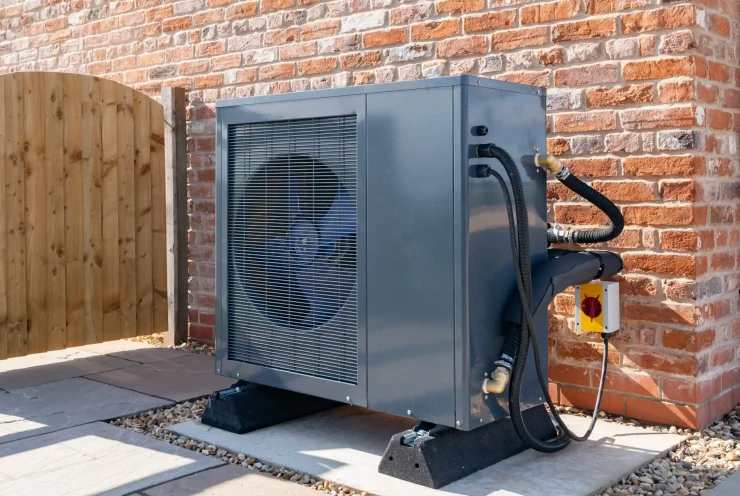
Heat pumps - Air source heat pumps are some of the best upgrades you can make to a property. These energy-efficient upgrades provide heating and hot water at a fraction of the carbon emissions versus standard boilers. Ground source heat pumps also exist, which may be more suitable for larger properties.
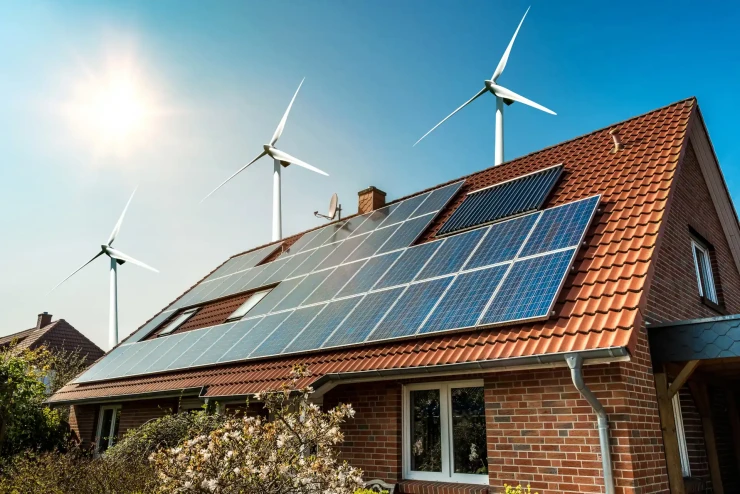
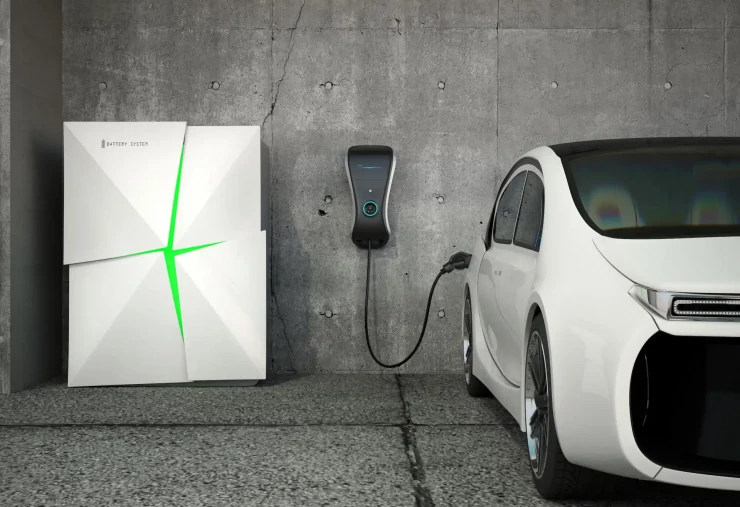
Solar panels - Solar panels allow you to generate renewable electricity from natural sunlight, and, with some battery storage equipment, allow you to store that energy with the added ability of selling unused energy back to the national grid. This gives you a much more cost-effective solution, particularly when combined with modern heating.
What funding support is available?
The ECO4 scheme currently provides grants for insulation and heating measures, which are particularly helpful for low-income households or those without easy access to the capital to fund large-scale upgrades immediately. Local councils also offer additional, localised grants and advice services to help homeowners and beneficiaries of inherited properties overcome property complexities.
The real lesson is how to preserve the charm and appeal of heritage properties while gifting them with sufficient upgrades to comply with and fit seamlessly within the modern age. Luckily, upgrades to windows, insulation, and doors can be straightforward, and solar panels can be positioned discreetly on roof sections that aren’t visible from prime locations.
Working with experienced and capable contractors will be a huge relief for homeowners attempting to bring their inherited assets’ EPC ratings up while ensuring improvements add value. The results will be well worth the investment, as A-C EPC ratings can profoundly improve marketability and justify higher asking prices, particularly if you’re entering the market soon after equipping them with new, energy-efficient solutions.
Taking action
Transforming an inherited property’s energy rating and performance is not an easy task and will likely require a significant amount of time and resources, but the rewards can be particularly lucrative. Start as early as possible to identify the areas that need urgent attention, look into your available local and national funding schemes, and establish a manageable, phased improvement plan that aligns with your cash flow and goals for the inherited property. Whether you plan to sell quickly or keep it for a while longer, consider making the upgrades that make the most sense to you and your newly inherited property.
Find a local installer
Welcome to the biggest directory of UK renewable energy companies