Many UK homeowners installed solar panels years ago when technology was less efficient, and energy prices were lower. Today, upgrading your system can unlock significantly better performance and savings.
- According to the UK Government’s energy data, over 1.4 million homes now have solar panels installed, with many early systems operating below current efficiency standards.
- Additionally, Ofgem reports rising electricity costs, making optimisation more important than ever.
Upgrading isn’t about replacing everything; it’s about improving what you already have and:
- Generate more electricity from the same roof space
- Reduce reliance on grid energy
- Future-proof your home against rising energy costs
- Integrate newer technologies like battery storage
For many homeowners, an upgrade is a smarter financial decision than starting from scratch. This guide covers every upgrade option available to UK homeowners, with real costs, regulatory requirements, and honest guidance on what is actually worth doing.
COMPARE PRICES FROM LOCAL INSTALLERS
Compare prices from local companies fast & free
Enter your postcode to compare quotes from leading professionals. We promise to keep your information Safe & Secure. Privacy Policy
What Are the Signs That Your Solar Panel System Needs an Upgrade?
Not every system needs upgrading immediately, but there are clear indicators that your setup may no longer be performing efficiently.
Common signs include:
- Lower-than-expected energy output compared to original estimates
- Old inverter (10+ years) nearing the end of its lifespan
- No battery storage, meaning excess energy is wasted
- Increased electricity bills despite solar generation
- System installed before modern efficiency improvements
Upgrade or Full Replacement: How to Decide
Choosing between upgrading your existing solar system and replacing it entirely depends on its age, performance, and your future energy goals. This comparison simplifies the decision:
|
|
|
|
|
|
|
|
|
|
|
|
|
|
|
|
|
|
|
|
|
|
|
|
|
|
|
|
|
|
|
|
|
|
|
|
|
|
|
|
|
|
|
|
What Upgrade Options Are Available for Solar Panel Systems in the UK?
Upgrading your solar system isn’t a single decision; it involves multiple pathways depending on your current setup, energy usage, and long-term goals. Below are the most practical upgrade options available to UK homeowners today:
1. Adding Battery Storage
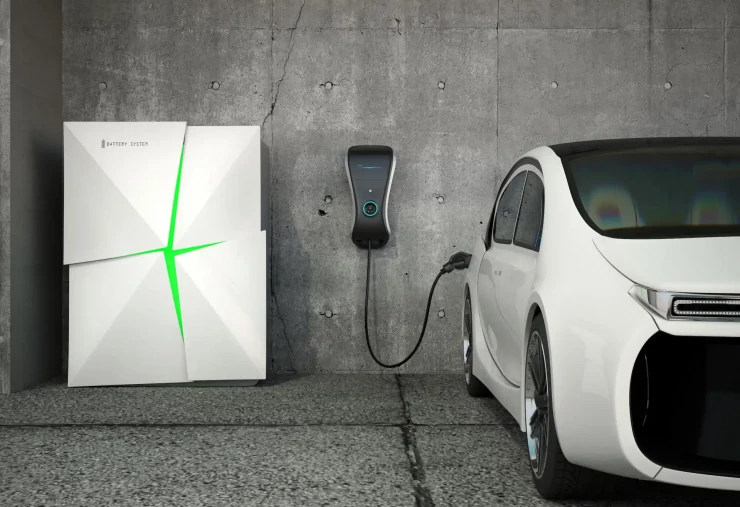
Adding a solar battery allows you to store excess electricity generated during the day instead of sending it to the grid. You can then use this stored energy in the evening or during peak tariff hours. This reduces your reliance on grid electricity and helps you get more value from your existing system.
2. Installing Additional Panels
If your current system isn’t generating enough electricity, adding more panels can increase total output. This is especially useful if your energy usage has increased over time or if your original system was limited by budget or space.
3. Replacing the Inverter
The inverter plays a key role in converting solar energy into usable power, and older units can become inefficient over time. Replacing it with a newer model can improve system performance and reliability.
4. Upgrading to Smart Energy Systems
Smart systems give you better visibility and control over how your solar energy is used. You can track generation and consumption in real time through apps or dashboards. This helps you adjust usage patterns, reduce waste, and improve overall efficiency without changing your panels.
5. Panel Replacement (Selective)
If some of your panels are outdated or underperforming, replacing them with newer, high-efficiency models can improve output. Modern panels generate more electricity from the same sunlight, making better use of your available roof space.
|
|
Is Adding a Solar Battery Worth It for Your Existing System?
Yes. In 2025, battery installations surged by 122%. Without a battery, most UK homes only use about 30% of the solar energy they generate. Adding storage increases this to 80% or more. By storing energy during the day, you avoid buying expensive grid electricity during the evening peak hours.
Can You Add More Solar Panels to Your Current Setup?
Yes, if you have additional roof space, you can expand your array. Modern TOPCon panels are significantly more efficient than older models and can produce up to 430W+ compared to the 250W standards of a decade ago.
If your original system is on a specific string, an installer can use microinverters to add new panels without affecting the performance of the old ones.
Should You Replace Your Inverter When Upgrading Solar Panels?
The inverter is one of the most critical components of your solar system and often the first to require replacement. Most inverters last around 10–12 years. If your system is older, upgrading the inverter can:
- Improve energy conversion efficiency
- Enable compatibility with batteries
- Support system expansion
- Provide better monitoring features
How Much Does It Cost to Upgrade a Solar Panel System in the UK?
Costs depend on the complexity of your system and the technology you choose. According to MSC data for 2026, here are the average ballpark figures:
|
|
|
|
|
|
|
|
|
|
|
|
|
|
|
|
|
|
|
|
Disclaimer: These figures are estimates for 2026. Your final quote will depend on your roof type, location, and the specific hardware brands you select.
Are There Any UK Grants or Schemes Available for Solar Upgrades?
While the legacy ECO4 scheme has evolved, there are still major incentives available in 2026:
- 0% VAT: The UK government has confirmed a 0% VAT rate on solar and battery storage upgrades until March 31, 2027. This can save you over £1,000 on a typical installation.
- Smart Export Guarantee (SEG): Upgraded systems allow you to access competitive export rates. Some providers now pay up to 15p per kWh for the energy you send back.
What is the Process of Upgrading a Solar Panel System?
Upgrading a solar system usually follows a structured process to ensure compatibility, safety, and performance. Here is how it works:
- Step 1 Initial Assessment: An expert reviews your current generation data, hardware age, and available roof space. This identifies performance gaps and confirms if your existing setup can support new components like batteries.
- Step 2 System Design: A tailored plan is created to match your energy goals. This involves selecting the right battery capacity or inverter type to ensure the system is perfectly sized for your household's needs.
- Step 3 Grid Notification: If the upgrade significantly increases your power output, your installer notifies the local Distribution Network Operator (DNO). This ensures your connection remains legal and compliant with UK grid regulations.
- Step 4 Installation and Testing: Most upgrades are completed within a single day. After the hardware is fitted, the installer performs a series of tests to verify that your new smart monitoring and storage are working efficiently.
Benefits of Upgrading Your Solar System Instead of Replacing It
A full system replacement can make sense in some cases, but for most homeowners, upgrading specific components delivers similar benefits at a lower cost and with less disruption. Here are the key advantages:
- Lower Cost: You only upgrade the parts that need improvement, like adding a battery or changing the inverter. This keeps costs much lower than installing a completely new system.
- Keeps Your Existing Panels: Solar panels are built to last 25–30 years, so if they’re still working well, there’s no need to replace them. Upgrading helps you improve performance without wasting what you already have.
- Protects Your FiT Payments: If you are receiving Feed-in Tariff payments, keeping your current system intact is important. A full replacement could affect these benefits, while upgrades usually don’t.
- Less Disruption at Home: Most upgrades can be done in a single day with minimal work on your roof. A full replacement takes longer and involves more disruption.
- Quicker Returns: Since upgrades cost less upfront, you start seeing savings sooner. Fixing specific issues like storage or efficiency gives faster results.
What Mistakes Should You Avoid When Upgrading Solar Panels?
A solar upgrade works best when it’s planned properly. Here are common mistakes to avoid:
- Skipping a System Assessment: Upgrading without checking your current system can lead to poor results. Fix performance issues first before adding new components like batteries.
- Choosing an Installer Based Only on Price: Cheaper isn’t always better. Poor installation or low-quality equipment can cost more to fix later.
- Ignoring Compatibility Issues: Not all batteries, panels, and inverters work together. If compatibility isn’t checked, it can lead to extra costs or reduced performance.
- Overlooking FiT Impact: If you are on the Feed-in Tariff, certain upgrades can affect your payments. Always check before making changes.
- Poor System Design: Adding mismatched panels without proper planning can reduce overall system efficiency instead of improving it.
Conclusion
Upgrading your solar panel system in 2026 is no longer just about generating power; it is about using it more efficiently. With energy prices still unpredictable, improving how you store and use electricity can make a noticeable difference to your bills.
Whether you add a battery, upgrade your inverter, or expand your system, these changes help you get more value from what you already have. With 0% VAT and better Smart Export Guarantee rates available, you can improve your savings while also reducing your carbon footprint.
Take the Next Step Toward Energy Independence
Navigating technical specifications and finding reliable professionals should not be a stressful process. At The Renewable Energy Hub, we provide the impartial guidance you need to make an informed choice for your property.
- Get Independent Advice: Speak with our experts to understand which upgrade fits your energy goals.
- No Obligation: Our service is designed to educate first and connect second.
- Vetted Professionals: Access our network of peer-reviewed, MCS-certified installers across the UK.
Find a local installer
Welcome to the biggest directory of UK renewable energy companies