When we think of a household’s energy use, we tend to think about kitchens or living rooms. These spaces, full of large appliances, electronic devices, and heating systems, demand excessive levels of power to operate. But one of the most energy-hungry rooms in the house is rarely talked about: the bathroom.
This everyday space is responsible for a surprising share of a home’s overall energy consumption and carbon footprint, largely due to hot water heating and lighting. Every time we take a long, hot shower or leave the light on, we contribute to rising energy costs and unnecessary carbon emissions.
COMPARE PRICES FROM LOCAL INSTALLERS
Compare prices from local companies fast & free
Enter your postcode to compare quotes from leading professionals. We promise to keep your information Safe & Secure. Privacy Policy
Common energy wasters in a bathroom
Before diving into solutions, it can help to understand where energy is typically being used - and wasted - in the bathroom.
The biggest culprit is almost always hot water heating, which can account for as much as a quarter of your home’s total energy use. Each minute you spend running hot water means more work for your heating system and, if the fixtures are inefficient, you’re likely wasting both water and energy in the process.
Lighting is another hidden drain, especially if you still rely on older, power-hungry bulbs. Ventilation fans, heated towel rails, and poor insulation can also contribute to unnecessary energy use. When combined, these create an inefficient environment that we use every day yet hardly ever think to optimise from an energy standpoint.
The good news is that there’s a lot you can do to change that. With just a few thoughtful updates, you can dramatically reduce energy waste in your bathroom without compromising comfort.
Master your hot water usage
As we’ve touched upon, heating water is an incredibly energy-intensive activity and one that’s most common in this room. Inefficient systems and habits can result in unnecessary waste, but making the switch to low-flow showerheads and toilets can make a huge difference.
These affordable devices reduce water flow while maintaining strong pressure, so you still get a satisfying shower without waste. Modern designs are far superior to older “eco” models, offering excellent performance and comfort, so you don’t need to compromise.
For maximum efficiency many specialists recommend going smart. Technology like motion-sensor faucets, touchless soap dispensers and temperature regulators - as championed by bathroom specialists such as Hugo Oliver - can help you resolve waste issues, and make your space both sanitary and sustainable. Pair these upgrades with shorter showers and you’ll save litres of water, along with the energy it takes to heat it.
Insulate your hot water pipes
When hot water travels through uninsulated pipes, much of the heat is lost before it even reaches the tap. That means your water heater has to work harder and for longer to maintain the desired temperature, which consumes more energy.
The solution is affordable and quick to DIY. Simply wrap the hot water pipes with insulation foam to prevent unnecessary heat loss. It can be purchased at most hardware stores and installed in minutes with minimal tools, making it practical for most homes. Not only does an insulated pipe keep the water hotter for longer, but it also means less waiting time for the hot water to come through the tap, so you’re wasting less water and energy.
Consider a smart thermostat for your hot water heater
Traditional water heaters maintain a consistent high temperature, often at 60oC or more, whether you’re actually using the hot water or not. This wastes energy and adds unnecessary wear to your system.
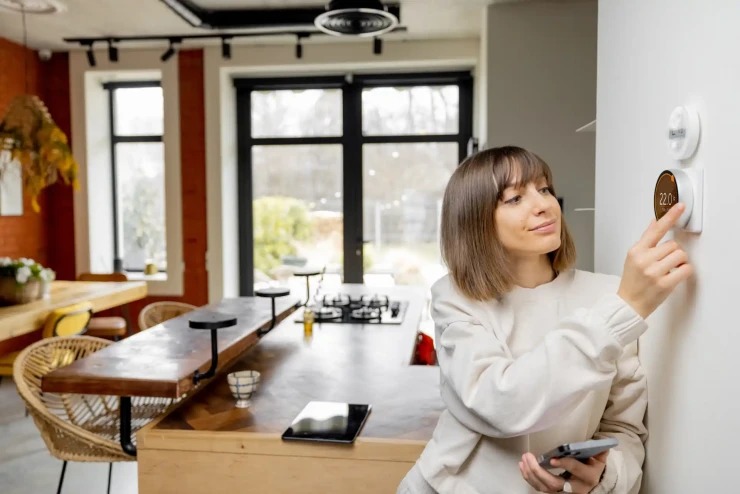
Installing a smart thermostat or, better yet, upgrading to a smart water heater can give you much more control. These appliances allow you to set your own schedule, so your heater only works when you need it to, such as first thing in the morning or in the evening. Many models can also be managed remotely via smartphone apps, so you can turn your heating on or off while you’re away.
Not only do smart controls help you optimise energy use, but they enable you to take advantage of off-peak electricity rates and prevent unnecessary heating during idle hours, like when you’re at work. This means lower energy bills, improved efficiency, and less strain on the equipment — a win for both your household budget and the environment.
Explore renewable energy for water heating
For significant changes to your energy efficiency levels, you may want to move from a traditional heating system to renewable energy. Two of the most effective options are solar water heating and heat pumps.
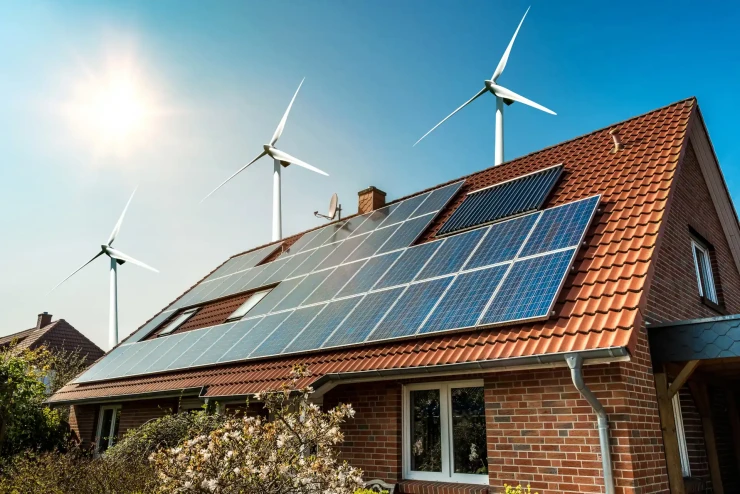
Solar thermal systems use roof-mounted panels to capture the sun’s energy and preheat your water naturally. Even in the cooler climates like the UK, these systems can deliver a substantial portion of your household’s hot water needs throughout the year.
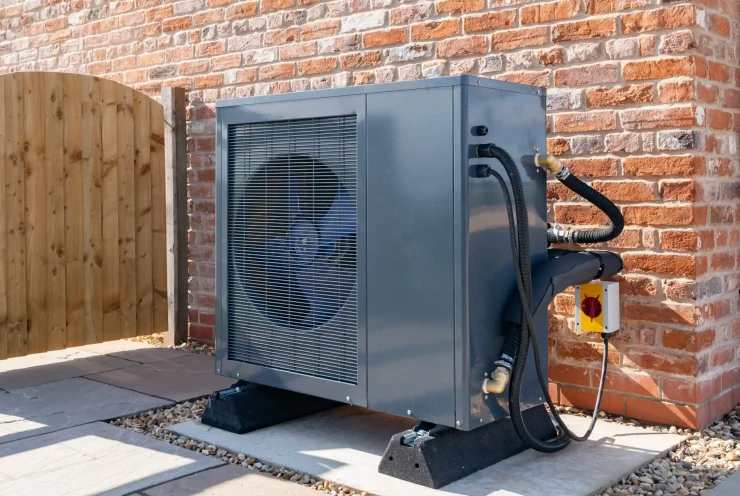
Air-source heat pumps, meanwhile, extract heat from the surrounding air, even at low temperatures, and use it to heat your water far more efficiently than traditional electric or gas heaters.
Both of these solutions dramatically reduce your dependence on the grid and your home’s carbon emissions. While the initial investment can be higher than some of the other suggestions in this list, the long-term savings on your energy bills and the positive environmental impact make them worthwhile.
These additions also align perfectly with the UK’s broader shift toward renewable energy and low-carbon living.
The bathroom may be one of the smallest rooms in the house, but there’s still significant room for energy savings. A few changes like low-flow fixtures, cistern displacement fittings, and pipe insulation can all add up to turn a traditionally wasteful room into a sustainable space.
Find a local installer
Welcome to the biggest directory of UK renewable energy companies