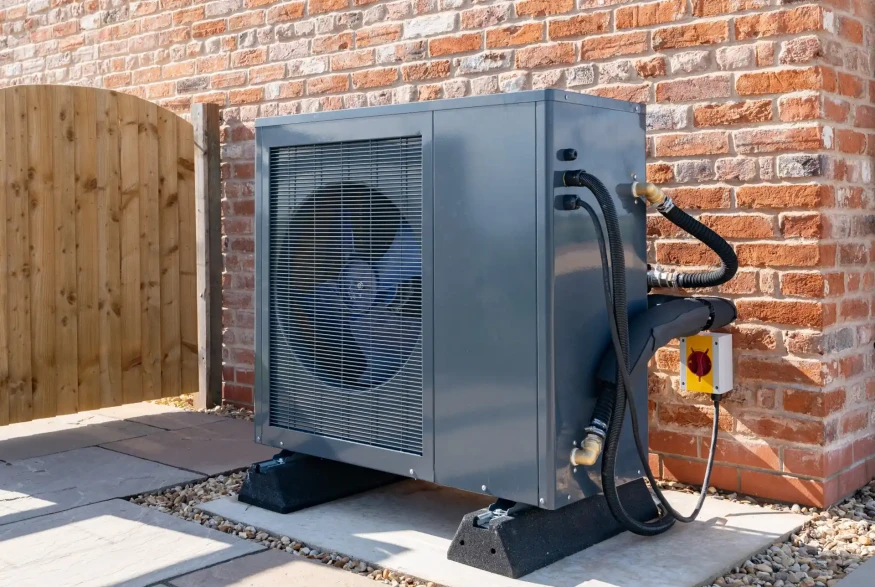
Winter is fast approaching and many people in the UK will be considering switching on their central heating if not today but very soon. At a time when energy bills are still high and set to rise even further, lots of us will be trying to delay turning up the dial on our heating and will be actively looking at ways we can be more energy efficient. It may be time to replace your old and inefficient gas boiler for a new heating system. Heat pumps can be an excellent alternative as they are more energy efficient than gas boilers and cheaper to run especially if you have electric heating or oil-fired boilers. You will not be alone in making this choice as there are more UK homeowners searching for smarter, more sustainable ways to heat their homes than ever before.
COMPARE PRICES FROM LOCAL INSTALLERS
Compare prices from local companies fast & free
Enter your postcode to compare quotes from leading professionals. We promise to keep your information Safe & Secure. Privacy Policy
For most UK households, getting a heat pump installed now is a sensible decision to prepare for winter 2025/26. However, the best time for the installation depends on your specific situation. The sooner you can book in a survey the better as demand for heating engineers surges during the cold winter months due to the winter rush for new installations, breakdowns, and emergencies. The whole process can take several weeks so it’s wise to arrange the installation during the milder autumn season so that your home is ready and warm well before the colder weather sets in for 2025/26. You should also bear in mind that a heat pump installation can involve a period without heating or hot water so acting now rather than later will be more comfortable for you.
How to prepare your home for a heat pump for winter 2025/26
Determine your home’s energy efficiency:
Organise a free home energy assessment, often provided by installers, which can identify any necessary upgrades your home may need such as improved loft, wall, or floor insulation. This is important as heat pumps work most efficiently in well-insulated homes.
Obtain quotes from certified installers:
Get in touch with at least 3 Microgeneration Certification Scheme (MCS) accredited installers. They will conduct a heat loss calculation for your property to ensure the correct size heat pump is installed, provide an accurate timeline, and help with the grant application.
Confirm grant eligibility:
Your installer will apply for the Boiler Upgrade Scheme (BUS) on your behalf in England and Wales. You can currently receive £7,500 off the cost and installation of an air or ground source heat pump. If you live in Scotland, you can apply for a grant through the Home Energy Scotland Grant and Loan Scheme. Though the Boiler Upgrade Scheme runs until 2028 in England and Wales, the vouchers issued by Ofgem have strict three to six-month deadlines. Getting started on the process now ensures that you have enough time to secure and use your voucher.
Consider system upgrades:
It’s possible that your home may need new pipework and larger radiators or underfloor heating to make the most of the heat pump’s efficiency as they work at a lower, steadier temperature than traditional fossil fuel boilers.
Will an air source heat pump keep you warm in the UK’s winter?
Yes, an air source heat pump can be the right choice for winter comfort particularly in the UK’s mild climate as the most up-to-date heat pumps are designed to work efficiently even in colder weather and can provide steady comfortable heat. In recent years, winter temperatures in the UK have ranged from 0 to 7 degrees centigrade with below freezing temperatures being a rare occurrence which means you shouldn’t normally notice much of an impact on your air source heat pump during colder weather.
Under the right conditions, an air source heat pump can reach efficiency levels of 300% or higher. This means that for each unit of electricity the heat pump consumes, it generates 3 units of energy. However, if temperatures reach -25 degrees centigrade, in the case of air source heat pumps, efficiency levels can drop to around 200%. It’s important to note, that your electricity bill may be higher in winter than during the warmer months as your heat pump may need to work harder to meet your heating needs. However, thanks to technological advancements like advanced refrigerants and variable speed inverters, modern air-source heat pumps perform well even in wintry weather. Norway is a great example of just how well heat pumps can work even in colder climates than the UK. Norway has more heat pumps per home than anywhere else in the world with heat pumps providing heating for over 6 out of 10 households. The rest of Scandinavia isn’t far behind. There is plenty of residual heat available in the UK’s cooler air, ground, and water. All that’s needed is a little bit of electricity to extract, compress and circulate it. So, although efficiency may decrease slightly at very low temperatures a properly sized and installed heat pump is a reliable and efficient option for colder climates.
To get the best from your heat pump make sure your home is well-insulated, that your heat pump is correctly sized for your property and that it is regularly maintained to keep the system efficient and reliable.
Do Heat Pumps Work in Freezing Temperatures?
Freezing temperatures can cause problems for any heating system. If it’s extremely cold, then heat pumps and piping can freeze up. However, most systems come with fail-safes which means they can withstand most temperatures.
Heat pump pipes are well insulated but if you think the weather warrants it you can add extra cladding to compensate for the freezing cold. It’s a good idea to make sure your system is well maintained too and it’s best to do this long before the weather turns. Don’t be tempted to add antifreeze to your pipes as this is likely to make the situation worse.
These days decent heat pump systems have a ‘defrost setting’ which kicks in when the temperature drops. In this mode, the system changes how it uses energy and diverts most of it towards thawing the ice around the piping. You should check the owner’s manual to see if this is something you’ll need to do yourself. If the manual isn’t helpful, it’s best to call the supplier of your heat pump to get their advice. Don’t try to fix the problem yourself as heat pumps are complex machines, and you should always seek professional advice.
How do heat pumps work in cold weather?
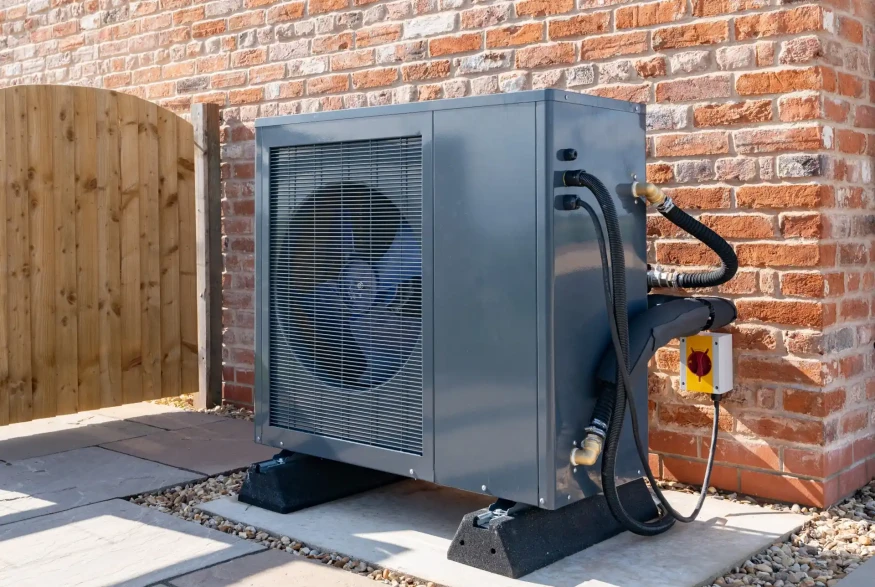
Heat pumps do not work in the same way as traditional heating systems as instead of burning fossil fuels to create warmth they move heat from one place to another.
Extracting heat:
A special fluid called a refrigerant with a very low boiling point absorbs heat from the air for an air source heat pump or ground for a ground source heat pump.
Compression and heating:
There is still enough heat energy in the air even in freezing temperatures to cause the refrigerant to turn into a gas. The refrigerant moves to a compressor, which speeds up its particles and increases the pressure of this gas, significantly raising its temperature.
Heat transfer:
The super-heated refrigerant vapour then flows through a coil inside your home where it releases its heat to warm your home's central heating system or hot water tank before returning to a liquid state.
Returning to Low Temperature:
The cooled refrigerant then returns to the evaporator to absorb more heat and repeats the cycle.
Important considerations for cold weather performance
Still works in freezing temperatures:
Even at low temperatures, heat pumps can capture thermal energy as there is always some heat in the air or ground.
Low Boiling Point Refrigerant:
The refrigerant has a very low boiling point, allowing it to absorb heat even when the air temperature is below freezing.
Reduced Efficiency in Cold weather:
Even though heat pumps continue to work, their efficiency will decrease in colder weather, requiring more electricity to produce the same amount of heat.
Correct Installation is crucial:
A properly installed and specified heat pump that is matched to the climate is crucial for effective performance in cold weather.
Ground Source Advantage:
Ground-source heat pumps benefit from the more stable, warmer temperatures of the earth, making them very consistent in winter.
Constant Operation:
Heat pumps are most efficient when they are run continuously to maintain a steady temperature, rather than being turned on and off frequently like a traditional boiler.
There are many advantages to installing a heat pump in readiness for this winter. They are far more efficient than gas boilers often delivering three to four times more heat energy than the electrical energy they consume. This is measured by the Seasonal Coefficient of Performance (SCOP). They provide a steady and consistent temperature rather than short blasts of intense heat which makes for a more even and comfortable indoor climate. Thanks to the way heat pumps work by moving heat rather than burning fuel they reduce your impact on the environment. Without the need to burn anything, heat pumps produce no emissions which helps to reduce your carbon footprint. This is especially the case if the electricity powering the heat pumps comes from renewable sources. As mentioned previously heat pumps have been reliably used for decades in countries with much colder winters than the UK, such as Norway, Sweden, and Finland.
Find a local installer
Welcome to the biggest directory of UK renewable energy companies