One of the ways homeowners look to reduce their carbon footprint and energy bills is by updating their heating system. However, with solutions continuing to evolve, a new boiler is no longer the only option—in fact, one of the most practical and efficient ways forward is to choose a hybrid system that intelligently integrates renewable technology with your current set-up.
COMPARE PRICES FROM LOCAL INSTALLERS
Compare prices from local companies fast & free
Enter your postcode to compare quotes from leading professionals. We promise to keep your information Safe & Secure. Privacy Policy
The case for a hybrid heating system
The push toward renewable energy has created an unfortunate "either/or" mentality for many people, leaving us thinking we either need to cling to fossil fuels or invest thousands of pounds in a complete heating overhaul.
However, this binary thinking ignores a crucial middle ground that's both environmentally responsible and financially sensible. A complete system replacement isn't always the best or most affordable option, especially if your existing boiler is relatively new or has been well maintained over the years.
Instead, hybrid heating systems give you the best of both worlds, combining the reliability of a traditional boiler with the efficiency of renewable energy sources. This allows you the opportunity to create a system that's greater than the sum of its parts. Your boiler provides the dependable backup heat you need during the coldest months or when renewable sources aren't producing optimally, while solar panels or heat pumps handle the bulk of your heating needs during milder conditions.
Perhaps most importantly, a hybrid approach allows for a phased transition to green energy on your own terms. Rather than facing one overwhelming expense, you can gradually build your renewable infrastructure as your budget allows, and technology improves. You might start by adding solar panels this year, improve the insulation in the property next year, and add a heat pump further down the line.
Throughout this journey, your existing boiler serves as the reliable foundation of your heating system, so you're never left in the cold while you work toward your sustainability goals.
The role of a well-maintained boiler
The success of any hybrid system is dependent on the efficiency of its individual components, and a boiler is no exception. A professional boiler service is by far the most effective way to maintain optimal performance. As plumbing and heating experts Village Heating advise, “Make sure that your boiler is running as efficiently as possible. This could help save money on your fuel bills and subsequently cut your household carbon emissions as well as extending the life of your boiler.”
During a service, a qualified engineer cleans vital components, checks for wear, calibrates controls, and ensures your boiler is burning fuel as efficiently as possible. Even small inefficiencies build up over time, wasting energy and money, and undermining your environmental objectives. Regular servicing catches any minor issues before they become major problems, which reduces the likelihood of emergency repairs that always seem to happen during the coldest weeks of winter.
When well-maintained, your boiler provides you with the peace of mind that you can maintain comfortable temperatures when your renewable sources can't keep up. It’s this reliability that makes hybrid systems so practical. You're not gambling with your family's comfort but instead creating a resilient system that adapts to varying conditions while prioritising renewable energy where possible.
Common hybrid configurations
Solar PV system
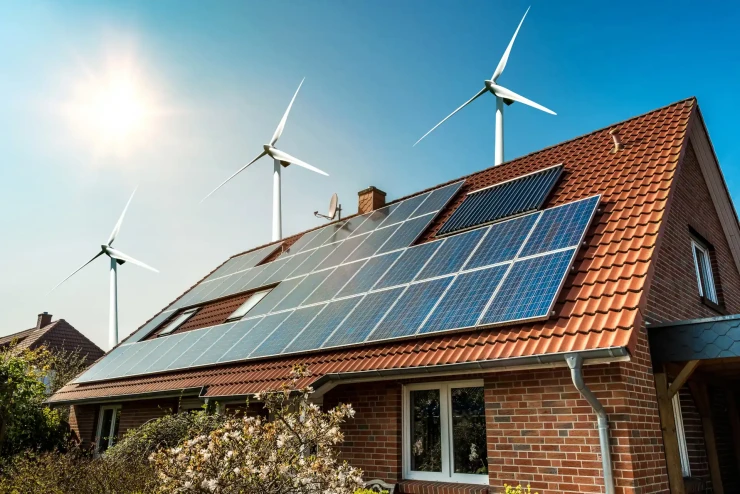
One of the most popular and accessible configurations is pairing a solar PV system with your existing boiler. Solar arrays use roof-mounted panels to capture the sun's heat and transfer it to water stored in a cylinder. This pre-heated water then feeds into your boiler, meaning the boiler needs to do far less work to bring the water up to the desired temperature.
The beauty of this configuration lies in its simplicity. The two systems work together naturally without the need for complex controls, and your boiler remains available to provide all your hot water needs when solar production is insufficient.
Air source heat pumps
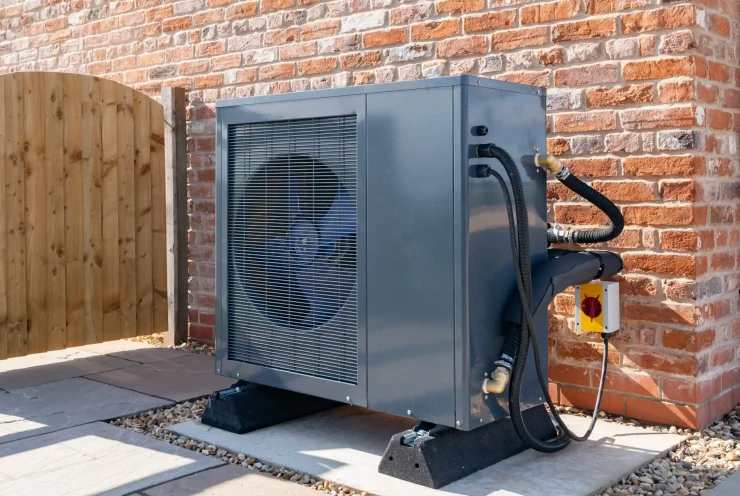
Another option that an increasing number of homeowners are opting for is air source heat pumps, which create a sophisticated system that can handle both heating and hot water. Heat pumps excel at efficiently warming your home, using electricity to extract heat from the outdoor air and transfer this indoors. While they can become less efficient as temperatures drop, winters in the UK aren’t usually severe enough to pose too much of an issue.
In a hybrid set-up, your heat pump will handle the bulk of your heating during autumn and spring when temperatures are moderate, and your boiler will kick in with your heating requirements during the colder winter months. As with solar, this tag-team approach optimises energy use throughout the year, allowing each system to operate when it performs best.
Similarly, such a set up allows consumers a first and evolving step into renewable heating options, which as the Institution of Gas Engineers and Managers (IGEM) highlights, “In this respect, hybrids and electric heat pumps have the real potential of being complementary, with the former leading to a potential widespread roll-out of the latter.”
Intelligent hybrid control
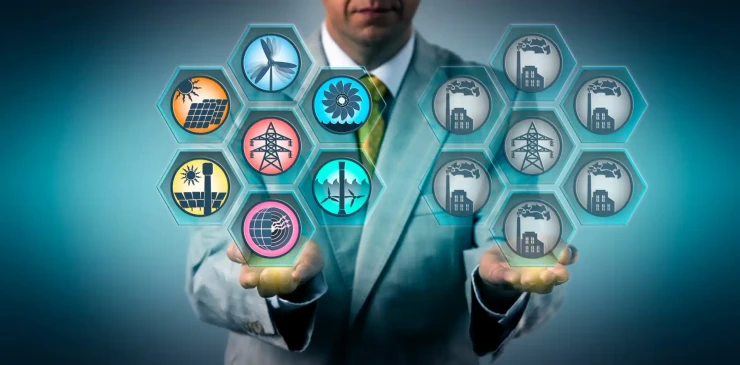
Modern smart controls take these hybrid systems from adequate to exceptional. The latest energy management systems use intelligent algorithms to automatically switch between your boiler and renewable source based on factors like outdoor temperature, electricity prices, and predicted heating demand, which is not only convenient but energy efficient.
Your transition plan
Before you invest a penny in renewable tech, invest in a professional comprehensive boiler service to identify any issues that need addressing, and allow you to gain a clear picture of your boiler's remaining lifespan. If your engineer discovers your boiler is near the end of its useful life, your next move towards total renewable heating sources may be quicker than that of a boiler shown to be capable of another decade of reliable service ahead.
Attempting to integrate renewable technologies with a poorly maintained or faulty boiler is a recipe for frustration. You'll struggle to achieve the efficiency gains you're hoping for, and you might even unnecessarily blame a fault on your new renewable equipment, when the real culprit is a neglected boiler.
Once a service determines if your boiler can transition for a period of time, you need to assess your overall home's thermal performance. The most cost-effective "renewable energy" is the energy you never need to use in the first place, which means addressing the property’s insulation levels and where it might be losing energy. Walk around your property to identify problem areas such as draughty windows, an under-insulated loft, or gaps around doors, or alternatively book a professional energy assessment to identify thermal bridges and air leakage.
Many homeowners are tempted to jump straight to fully renewable heating options, but if your home is losing heat through poor insulation, you'll need an oversized renewable system to compensate, resulting in more costs and reduced efficiency.
Addressing the foundations of your heating system first means any renewable technology you choose to add later will be working with an efficient building envelope, maximising the return on your investment.
Find a local installer
Welcome to the biggest directory of UK renewable energy companies