The renewable energy sector is set to go through a major transformation in 2025. Spurred on by new technology, climate imperatives, and government policies the energy industry is ever evolving. The industry is in a great place to build on the successes of 2024 and achieve even greater accomplishments than before as it addresses global energy demands sustainably.
The renewables industry is constantly growing as new advancements are made in renewable energy technology and electric vehicles (EVs), and governments introduce policies aimed at reaching net zero emissions. These factors, together with greater public awareness of the environmental impact of fossil fuels, are driving the transition to cleaner, more sustainable energy systems.
Integrating renewable energy sources like solar and wind into national grids is becoming increasingly important due to the ongoing energy crisis and the need to address climate change. Last year saw notable renewable energy trends including, the rapid growth of solar and wind energy, significant advances in energy storage technologies, and the expansion of EV infrastructure. 2024 was the first complete year that renewable energy overtook fossil fuels in electricity generation for the UK.
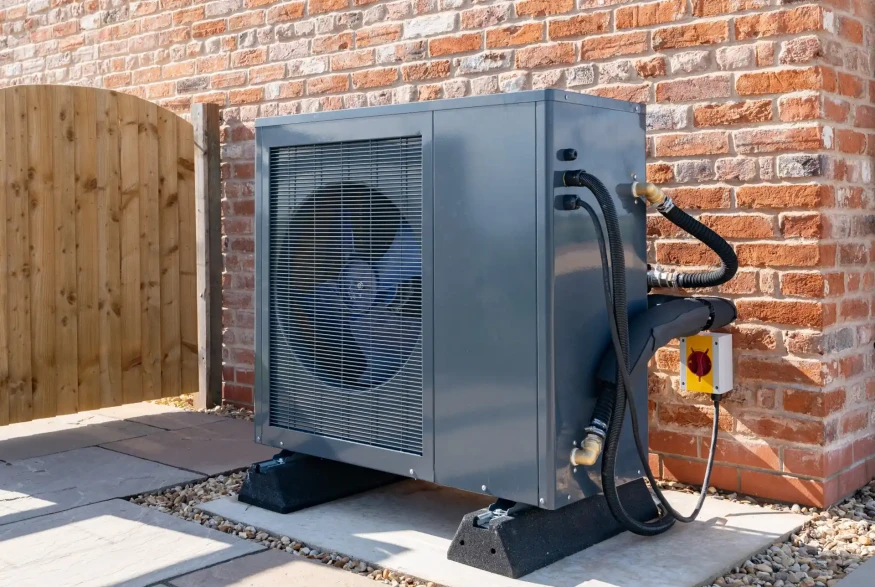
The global heat pumps market is expected to grow from $88.2 billion in 2023 to $142.08 billion in 2028 at a rate of 10.01%. New heat pump technologies in 2025 will include more efficient heat pumps, smart heat pumps, and heat pumps that can be used in cold climates.
The UK has big plans for 2025. Huge infrastructure projects, including pylons, solar farms, wind farms, power stations, and pipelines, are waiting for approval and selection. Strong opposition to some of these plans is expected, as building pylons and onshore wind farms is an emotive subject for rural England. However, some controversial projects have already been given the go-ahead.
This article looks at the various trends that will define the renewable energy landscape in 2025.
Escalation of Global Renewable Energy Capacity
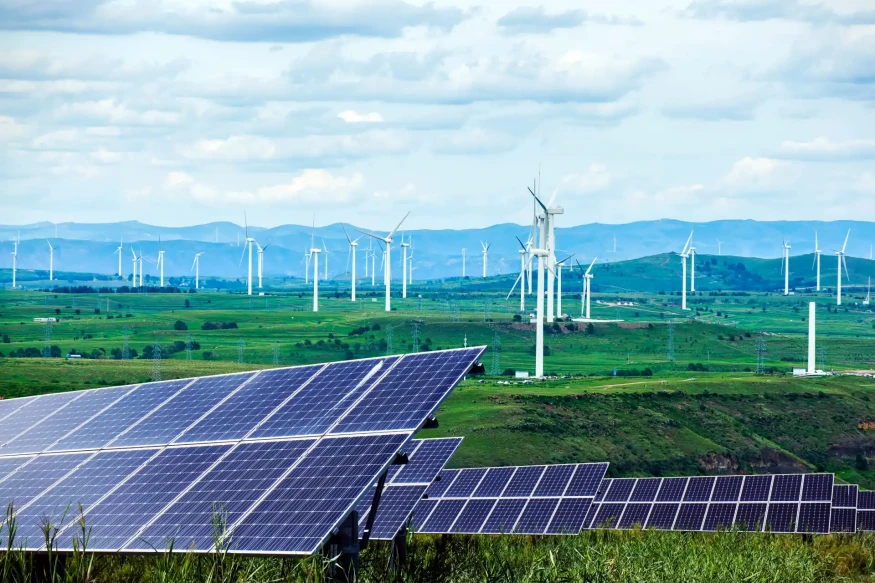
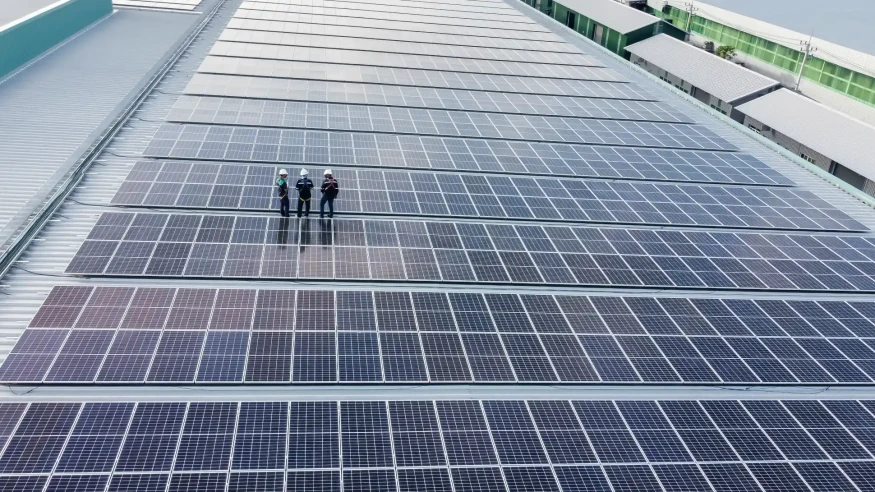
The International Energy Agency (IEA) predicts that in 2025, more than a third of the world’s electricity will come from renewables. In the longer term, they forecast that over 90% of the electricity capacity added globally by 2028 will come from renewable sources. Solar energy is set to dominate in 2025 becoming the main source of energy in several countries. Solar capacity is expected to double by 2026 leading the way to cleaner and more sustainable energy systems with wind energy not far behind.
Key growth areas are emerging markets like India and Brazil which are undergoing rapid expansions in solar and wind projects. Industrialised nations like the U.S. and Germany are continuing to invest heavily in offshore wind.
The UK has ambitious targets to increase solar capacity to help meet the nation’s energy needs. The UK also sees solar energy playing a pivotal role in achieving net-zero emissions and improving energy independence. The UK aims to produce 40GW of solar power by 2030 expanding to 54GW by 2035.
By 2030, the UK aims to produce 40GW of solar power, expanding to 54GW by 2035, playing a vital role in achieving net-zero emissions and enhancing energy independence. There is rising demand for solar panel energy due to the improved efficiency, affordability, and positive environmental impact of the technology. Technological advancements are set to further accelerate the rate at which consumers embrace solar energy.
Governments and private sectors are working together to speed up project timelines focusing on reduced costs, advanced technologies, and the race to reach climate targets.
Currently, there is a renewables race to fill the resource gap as demand for clean energy is outpacing supply. The IEA says that for the first time in history, Asia will account for half of the world’s electricity consumption and one-third of global electricity will be consumed in China in 2025.
Consultancy, Deloitte says of Its 2025 Renewable Energy Industry Outlook:
“The year 2025 will be defined by a race to overcome constraints and fill a growing gap between supply and demand for clean energy. Market and technology advantages such as low cost and modularity could be even more important amid policy uncertainty in the coming year. The growing cleantech manufacturing, AI, and carbon industries will likely continue supporting renewables supply through domestic renewable supply chain development, AI-accelerated operational efficiencies and innovation, and carbon attribute monetisation. Industrial policy, capital from technology companies committed to sustainability targets, new renewable technologies with 24/7 capabilities, more mature workforce development models, and high-integrity carbon management can help renewables maintain momentum.”
COMPARE PRICES FROM LOCAL INSTALLERS
Compare prices from local companies fast & free
Enter your postcode to compare quotes from leading professionals. We promise to keep your information Safe & Secure. Privacy Policy
Improved Grid Integration with Advanced Technologies
Renewable energy systems are being transformed by technological advancements that are addressing crucial challenges such as grid stability and energy efficiency. Artificial intelligence, big data, and the Internet of Things (IoT) are working together to help optimise energy management, enable smarter grids, and improve the integration of intermittent renewable sources.
More AI energy-specific applications will likely come onto the market in 2025. Hitachi Energy launched Nostradamus AI, one of the first AI forecasting solutions purpose-built for the energy industry in 2024. Nostradamus AI provides very accurate energy forecasts which improve decision-making, and help industry professionals across utilities, power system operators, energy producers, and traders.
Operators can pre-empt system failures with predictive analytics powered by AI reducing downtime and maintenance costs. Data collection from renewable installations can be improved with IoT sensors providing awareness of energy output and efficiency in actual time. These technologies allow renewable energy systems to be more reliable and grids to be better able to deal with the variations in supply and demand.
Andy Howell, Global Head of Enterprise Software Products at Hitachi Energy said:
“AI and machine learning (ML) have changed the world. Embracing AI in the power sector is not just a choice; it is an imperative. That’s why it’s critical that organisations have a dedicated tool designed specifically for analysing the massive amount of data generated across an evolving power grid. Hitachi Energy is leading this effort, relying on our decades of sector and data science experience to architect an energy industry AI solution that provides a relevant alternative to today’s inadequate forecasting options.”
If we want strong, efficient, and sustainable energy networks in the future it is vital that we adopt these advanced technologies.
Increase in Community Solar Projects
Many people are unable to install solar panels on their roof or in their garden. Community solar addresses this problem by allowing renters, apartment dwellers and low-income households to benefit from solar energy without the need to install solar panels on their roofs or in their gardens. Community solar projects are becoming increasingly popular in countries like the United States and Australia where local solar farms are empowering whole neighbourhoods. Community solar plays a vital role in the energy transition allowing greater participation and encouraging energy equity. Community solar projects currently produce 6.5 gigawatts in the U.S. alone, with projections set to double by 2028. Schemes such as New York State’s Shared Solar Initiative have demonstrated how such models can not only reduce energy bills but develop a sense of collective responsibility for sustainability.
Greater Adoption of Energy Storage Solutions
One of the main problems facing the renewable energy industry is the intermittent nature of renewable sources. The wind doesn’t always blow, and the sun doesn’t always shine. This is where energy storage solutions, particularly battery technologies come in to bridge the gap. Storage technology is used to store energy that has been produced during peak generation periods so that it can be used during times of high demand. The continuing development of this technology is vital to ensure a consistent and reliable power supply and for the transition to a fully renewable-powered grid. Storage solutions can help to stabilise electricity prices by enabling peak shaving, a term used in energy management to describe reducing the energy consumed during peak demand on the electric grid and reducing grid congestion.
Currently lithium-ion batteries are leading the market, but new technologies are being developed such as solid-state batteries and flow batteries which could be game changers. Countries such as Germany and Australia are seeing the rapid deployment of distributed energy storage systems (DESS) at both residential and industrial scales.
Policy Developments and Market Reform Set to Shake up the Industry
Many government and regulatory bodies across the world are strengthening policies that support renewable energy growth. These policies serve to incentivise investments and drive innovation. For example, the United States’ Inflation Reduction Act has directed billions toward renewable energy projects, offering tax credits for solar and wind installations and the European Union is reinforcing its “Fit for 55” initiative which aims to cut carbon emissions by 55% by 2030. Policy frameworks that encourage public-private partnerships, streamline renewable project approvals, and introduce stricter emissions regulations are being introduced and accepted on a worldwide basis. This is not only good for renewable energy adoption, but it also positions nations as leaders in the global clean energy race. These policies emphasise the urgent need to achieve climate goals as well as promoting economic growth through green energy innovation.
There are also new compliance requirements for markets being implemented which will have a big impact on the energy industry. Examples of these are the Market Wide Half-Hourly Settlement (MHHS), the Energy Savings Opportunity Scheme (ESOS) and Streamlined Energy and Carbon Reporting (SECR).
Ben Whitlam, Director of Commercial at npower Business Solutions talked about MHHS saying that the settlement is making energy usage and billing more accurate and efficient.
He said:
“For businesses to benefit from a secure, responsive, low-carbon energy system that also supports net zero goals there must be a full-scale reform of the energy sector. This includes the ability to better manage all aspects of electricity more efficiently, particularly with the decrease in 24/7 fossil fuel generation, as businesses move to more intermittent renewable power sources. Importantly, MHHS will support the more flexible use of electricity, which we’re already starting to see with ‘time of use’ tariffs emerging to incentivise the use of energy at times of abundant supply and away from peak-demand periods.”
Despite all these positive changes, Donald Trump’s upcoming presidency of the United States could impact sustainability around the world. He has spoken about terminating the Socialist Green New Deal and ending restrictions on oil, natural gas, and coal to become the number one producer of oil and natural gas in the world. During his campaign for the presidency in Erie, Pennsylvania he is quoted as dismissing the climate crisis as “one of the greatest scams of all time” which places him at odds with most of the rest of the world.
China’s Domination of Renewable Installations
China has recently said that it was reaching its solar and wind target five years ahead of schedule. Analysis by the Swedish engineering services firm, AFRY has shown that China is making considerable progress in the adoption of renewable energy. It is expected that Chinese renewable installations will remain well above 250GW in 2025.
AFRY said:
“Recently there has been a remarkable surge in renewable energy deployment in China, with an eye-watering 60% increase from ~530GW in 2020 to ~860GW in just two-and-a-half years. As we find ourselves midway through the 14th Five-Year Plan (FYP), at AFRY we have reflected on progress made to date and as a result anticipate that China will reach the renewable target of 1,200GW. This would be a remarkable achievement, delivering five years ahead of schedule. Among the total new installed capacity during the 14th Five Year Plan period (2021-2025), we anticipate that renewables will account for more than 70%. Furthermore, our analysis indicates that the total installed capacity in China will reach approximately 3,200GW, surpassing the government's target of 3,000GW by the end of the 14th Five Year Plan.”
Coal in China Could Reach New Highs
Though there has been significant renewable growth in China, coal-fired generation is forecast to hit a new record high in 2025 due to strong electricity demand growth in the country. Many global powers are reducing their dependence on fossil fuels. The UK, for example has ceased its reliance on coal for electricity. China, however, is on track for record coal-fired power generation.
Energy thinktank Ember said:
“Coal power in China has seen a relative decline, dropping from over 70% in the mid-2000s to about 60% in 2023. This trend is largely driven by the rapid expansion of non-fossil generation, particularly from renewable energy sources.”
Despite this relative decline, if coal demand does grow again in China and demand in developing nations continues to increase at the same time as demand in the US temporarily rebounds, global coal demand could once again reach a record high.
S&P Global Commodity Insights’ 2025 Energy Outlook said:
“As China represents nearly 60% of global coal consumption, if coal demand in China indeed grows again, demand in developing nations remains on its upward trajectory, and demand in the US temporarily rebounds, it is highly likely that global coal demand will once again paint a new record higher, even if demand in Europe and other developed economies contracts in 2025.”
Surge in EV Adoption
Transport electrification is expected to rise globally in 2025. As the process of replacing fossil fuels with electricity increases, the demand for EV infrastructure and charging stations will rise which will lead to a greater need for clean energy sources and even greater electricity demand. However, progress could be delayed due to grid infrastructure constraints, supply chain disruptions, and regulatory challenges.
Currently the electric vehicle (EV) market worldwide is worth an estimated US$162bn. EV adoption is surging globally, and this can be seen clearly in China. As EVs gain market share the demand for transport fuels is likely to decline which doesn’t impact just the EV market itself.
Iain Mowat, Principal Analyst, EMEARC Refining and Oil Product Markets at Wood Mackenzie said:
“We expect that China’s oil demand will continue to rise in 2025, but almost all of the growth will be accounted for by petrochemical feedstocks. Demand for transport fuels is likely to decline. Continued growth in consumption of jet fuel will be more than offset by declines in demand for gasoline and diesel for road transport. Electric vehicles and LNG-fuelled trucks are now having a significant impact on the Chinese market.”
Expected Increase in Energy Prices
A number of factors will contribute to the rise in energy prices globally in 2025 including growing demand, increasing production costs, high wholesale prices, diminishing gas inventories and cold weather.
The demand for electricity will grow as global economies recover, and the need for electricity to power artificial intelligence, and expanding industry activities, grows. The IEA expects global electricity demand to grow by 4% in 2025.
There are other factors that are affecting the increase in energy prices including the continuing geopolitical conflicts, and the availability of natural sources of energy whether fossil or clean in nature.
The IEA said:
“Current high coal and gas prices are not the result of a single shock event on the demand or supply side. Rather, they result from a combination of supply and demand factors that gradually tightened markets over the course of several months and even years.”
One thing that is certain is that 2025 will show us further evidence that climate change is not just an abstract concept that people in developing nations have to endure. Climate change is a challenge faced by all global nations.
Find a local installer
Welcome to the biggest directory of UK renewable energy companies