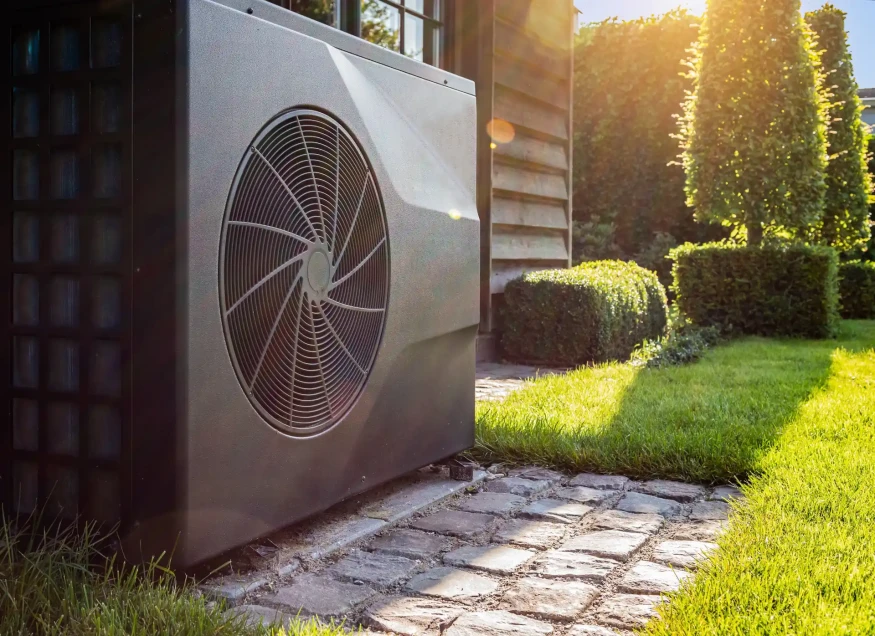
Mitsubishi Electric has urged policymakers to reform the regulations that govern heat pump installations. The company argues that modern high temperature systems could speed up the decarbonisation of the UK’s existing housing stock as well as reduce installation costs and disruption.
Recent improvements in high-temperature heat pumps (HTHPs) mean that industrial high temperature heat pumps can now produce temperatures of more than 150°C using environmentally friendly refrigerants such as propane (R290) and carbon dioxide. Better compressors, improved system design and smarter controls have also made them more efficient, with some models producing more than four units of heat for every unit of electricity used.
COMPARE PRICES FROM LOCAL INSTALLERS
Compare prices from local companies fast & free
Enter your postcode to compare quotes from leading professionals. We promise to keep your information Safe & Secure. Privacy Policy
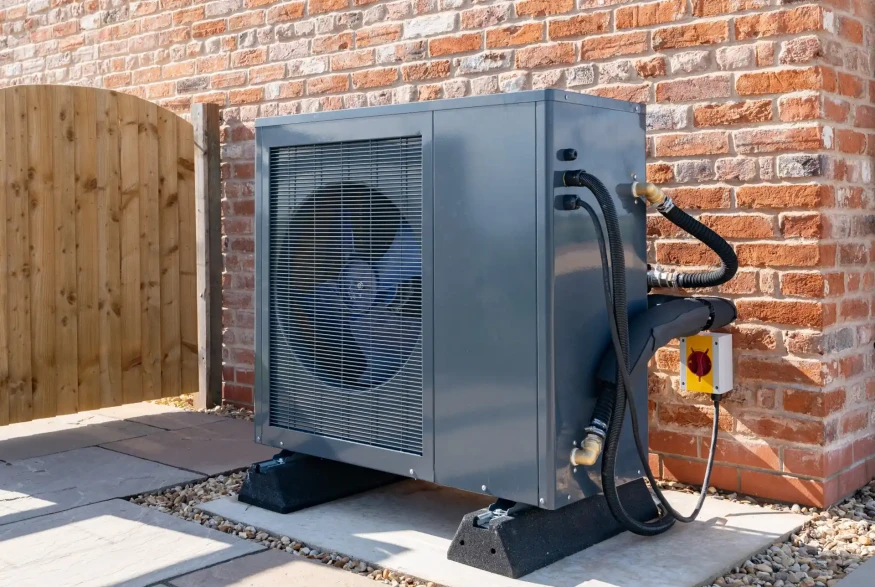
While these advances have benefited industrial applications, they are also driving improvements in domestic heat pumps. Modern residential high-temperature systems can now produce flow temperatures of up to 75°C, making them compatible with many existing radiator systems and reducing the need for extensive retrofit work.
The manufacturer’s new white paper, Unlocking High Temperature Heat Pump Adoption, focuses on how advances in high-temperature heat pump technology could help overcome many of the barriers that continue to slow uptake across the residential sector. As well as promoting advances in heat pump technology, Mitsubishi Electric is pushing the government to review regulations that it believes no longer reflect the capabilities of modern high temperature systems. The company believes updating these rules would enable wider deployment of high-temperature heat pumps and remove barriers to retrofit installations.
The white paper looks at the challenges surrounding heat pump adoption, such as concerns around upfront costs, retrofit complexity, installation disruption, compatibility with existing heating systems and uncertainty about performance. Despite deployment of heat pumps continuing to increase, these concerns remain significant obstacles for homeowners, landlords and social housing providers seeking to transition away from fossil fuel heating.
Mitsubishi Electric’s white paper also reiterates calls to address the “spark gap”, the price differential between electricity and gas, which continues to affect the running costs of low-carbon heating systems and plays a big part in influencing consumer purchasing decisions.
If the UK is to reach the target set out in the Climate Change Committee’s Seventh Carbon Budget, it is essential that a way is found to accelerate the number of heat pump installations per year. Reducing installation costs and disruption could help accelerate the rollout needed to meet these targets.
The report comes as the UK government aims to increase heat pump installations to 450,000 per year by 2030 as part of its legally binding 2050 net zero target. Currently, buildings account for 21% of the country’s greenhouse gas emissions and reducing this is an uphill battle as four out of five homes expected to exist in 2050 have already been built. This means that retrofit solutions will be central to meeting decarbonisation targets over the coming decades.
The report identifies regulations that it says are limiting the deployment of high-temperature heat pumps and calls on policymakers to review them, so they better reflect the capabilities of modern systems.
High temperature heat pumps using R290 refrigerant can simplify retrofit projects by operating at flow temperatures of up to 75°C (167°F), according to the white paper. This enables many existing properties to retain their current radiators and pipework, including microbore systems which are commonly found throughout the UK’s housing stock. The manufacturer says this approach could reduce installation costs, shorten project timescales and cause less disruption than traditional retrofit methods, which often require radiators and pipework to be upgraded.
Pilot projects with UK housing association Sovereign Network Group, one of the UK’s largest housing associations, found that existing radiators and microbore pipework could be retained when installing Ecodan R290 heat pumps. The white paper highlights how installation times were reduced by up to 40% while costs were lowered and the overall household experience was improved.
Key regulatory and policy reforms
The white paper sets out several recommendations:
Update heat pump regulations
The company wants existing regulations to be reviewed so they reflect the capabilities of today's high-temperature heat pumps. It argues that many systems can now work with existing radiators and microbore pipework, reducing the need for costly upgrades.
Remove unnecessary retrofit requirements
Mitsubishi Electric believes current guidance too often assumes that radiators and heating pipework must be replaced. It says allowing more homes to retain existing heating systems would reduce installation costs, minimise disruption and make heat pumps a more practical choice.
Address the electricity-to-gas price gap
The white paper calls for action to reduce the difference between electricity and gas prices, often referred to as the "spark gap". It suggests moving environmental levies away from electricity to make heat pumps cheaper to run.
Expand permitted development rights
Mitsubishi Electric wants planning rules to be updated so fewer homeowners need planning permission to install a heat pump. It also recommends revising the MCS 020 sound assessment methodology using real-world evidence, which it believes would reduce unnecessary planning applications while maintaining appropriate protections.
Speed up network approvals
The company proposes introducing a "Time to Approve" incentive for Distribution Network Operators (DNOs) to reduce delays. It also recommends more proactive network upgrades, such as fuse upgrades and un-looping electricity supplies, along with giving DNOs access to Boiler Upgrade Scheme application data so they can better plan future demand.
Expand financial support
The white paper recommends maintaining schemes such as the Boiler Upgrade Scheme while improving public awareness of the grants available to homeowners considering low-carbon heating.
Support innovation
Mitsubishi Electric argues that regulations should evolve alongside advances in heat pump technology, helping to encourage innovation rather than creating barriers to the adoption of newer systems.
Strengthen collaboration
Finally, the report calls for closer collaboration between government, manufacturers, installers and housing providers to accelerate the transition away from fossil fuel heating while maintaining consumer confidence.
James Chaplen, head of product marketing and communications at Mitsubishi Electric, said:
“Heat pumps are critical to achieving Britain’s Net Zero ambitions, but adoption will only accelerate if solutions align with the realities of existing homes. High-temperature heat pumps can help Britain achieve mass market rollout of heat pumps. They offer a practical pathway, minimal disruption method to retrofit millions of properties without the extensive upgrades that have traditionally been associated with heat pump installations. The technology exists today to help Britain achieve its heat pump deployment ambitions. What is needed now is a policy environment that supports innovation, removes unnecessary barriers and gives homeowners, landlords and social housing providers the confidence to invest in low-carbon heating,”
Mitsubishi Electric believes that closer collaboration between government and industry will be essential if the UK is to accelerate heat pump adoption and meet its long-term decarbonisation targets.
Find a local installer
Welcome to the biggest directory of UK renewable energy companies