Modern microgrids have become an important consideration as distribution centres rethink how they secure reliable, resilient power for complex operations. Facilities rely heavily on warehouse automation, artificial intelligence (AI)-driven inventory systems, and cold storage technologies, which makes uninterrupted electricity essential for maintaining productivity and protecting inventory.
COMPARE PRICES FROM LOCAL INSTALLERS
Compare prices from local companies fast & free
Enter your postcode to compare quotes from leading professionals. We promise to keep your information Safe & Secure. Privacy Policy
When comparing microgrids with traditional utility-based energy systems, operators weigh the unique strengths of each approach. They must select the solution or hybrid combination that best aligns with their operational priorities and long-term energy objectives.
Why Reliable Power Is Essential for Distribution Centres
Power disruptions can quickly interrupt order fulfilment by bringing warehouse management systems and automated picking operations to a standstill, resulting in shipment delays and reduced productivity. These risks have become more significant as electricity demand grows, while severe weather events and grid congestion place additional strain on ageing utility infrastructure.
Grid reliability is a growing concern worldwide. For example, the number of major outages in the U.S. increased from 4,666 to 6,533 between 2018 and 2024, highlighting the importance of reliable power planning for distribution centres.
As organisations compare traditional utility power with microgrids, they should evaluate each option based on reliability, operating costs, and scalability to identify the energy strategy that best supports current operations and future growth.
How Utility-Based Power Distribution Works
Traditional energy systems supply electricity through the public utility grid. Power generated at large-scale plants travels across transmission and distribution networks before reaching each facility. This infrastructure includes transformers that deliver usable electricity while protecting equipment from power quality issues, such as voltage spikes and sags.
It also comprises backup diesel generators that provide emergency power during utility outages. Because this model relies on well-established infrastructure and utility support, it offers predictable operations and lower up-front investment than building an on-site energy system from the ground up.
Strengths and Limitations of Traditional Systems
Traditional utility-based energy systems offer broad availability and established utility support, allowing businesses to focus on core operations rather than managing on-site power generation. For distribution centres, this familiar model provides dependable daily service, but it also leaves facilities vulnerable to grid outages, fluctuating electricity prices, and demand charges.
While backup diesel generators maintain essential operations during emergencies, they are typically intended for short-term operational continuity. They are not designed to reduce daily electricity costs or improve long-term energy efficiency.
What Is a Microgrid?
A microgrid is a localised energy system that can operate either alongside the main utility grid or independently when external power becomes unavailable. It typically combines on-site resources, such as solar panels, battery energy storage systems, and backup generation.
Unlike conventional utility-only systems, microgrids can enter island mode during a utility outage. They can automatically disconnect from the main grid and continue to supply power to critical equipment and essential facility operations until normal service is restored.
Operational Benefits Beyond Backup Power
Companies can improve resilience by generating and managing electricity on-site. This approach enables critical operations to continue even when the main utility grid experiences disruptions or outages. Peak shaving, load shifting and participation in demand response programmes reduce operational expenses by lowering peak electricity consumption and making better use of available energy sources.
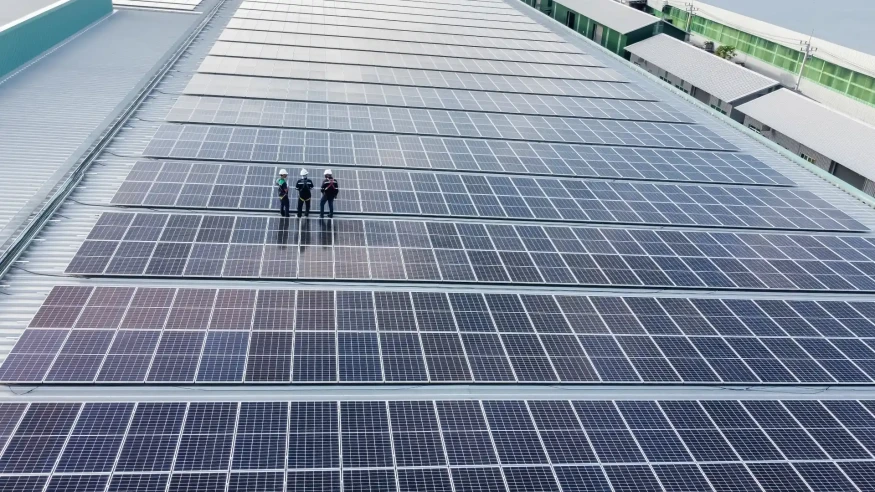
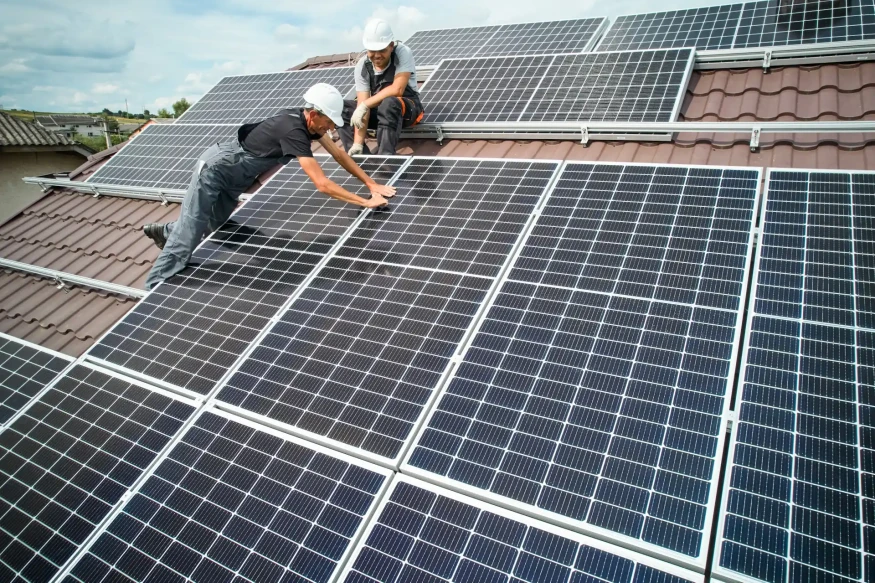
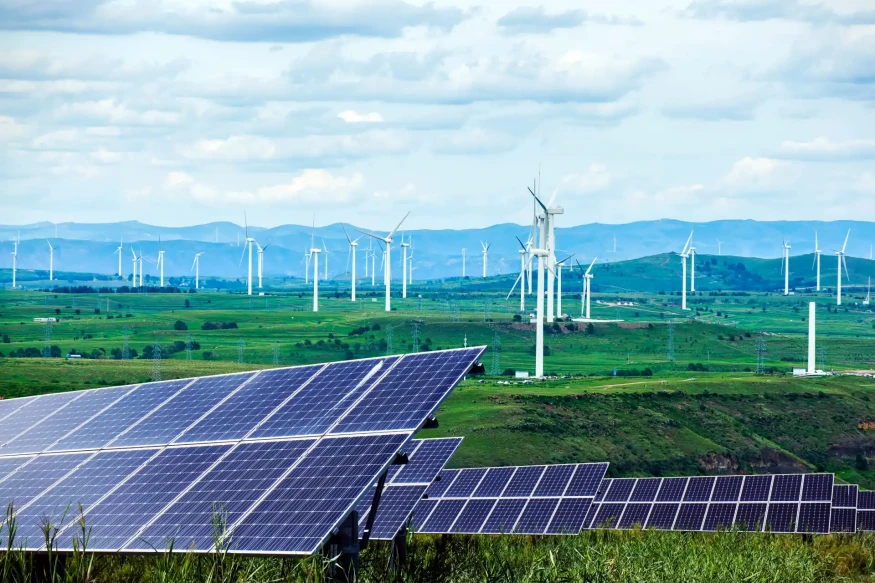
Microgrids often integrate solar panels that generate renewable electricity, lowering long-term electricity costs and reducing reliance on utility-supplied power. Smart energy management software also provides real-time monitoring and detailed energy insights. It enables operators to optimise power usage and respond quickly to changing conditions.
Comparing Performance Across Key Energy Priorities
Distribution centre operators should compare each approach across the factors that have the greatest impact on long-term performance and return on investment.
| Evaluation Factor | Traditional Energy Solutions | Microgrids |
| Reliability | Depends entirely on the public utility grid and is vulnerable to external outages | Can continue powering critical operations during outages through island mode and on-site generation |
| Up-front investment | Lower initial capital costs because existing utility infrastructure is already in place | Higher up-front investment due to on-site generation, battery storage, and control systems |
| Operating Costs | Subject to fluctuating electricity prices and demand charges | Can reduce electricity costs through on-site generation and energy optimisation |
| Scalability | Expansion often requires utility infrastructure upgrades and additional grid capacity | Can be expanded incrementally by adding renewable generation or other distributed energy resources |
| Business Continuity | Backup generators provide temporary emergency power but rely on fuel availability | Delivers greater operational resilience through continuous energy management and stored energy during grid disruptions |
Why Hybrid Energy Strategies Are Becoming the Preferred Choice
Organisations rely on utility-supplied electricity while integrating microgrids and on-site renewable generation to create a more flexible and resilient energy strategy. Rather than replacing the existing structure, distribution centres can adopt hybrid systems that combine the reliability of the public grid with on-site resources.
As facilities scale up solar, wind and energy storage solutions, they can reduce dependence on fossil fuels and strengthen resilience against volatile energy markets. This hybrid approach also lowers peak demand charges and maintains seamless grid connectivity without requiring a complete overhaul of existing electrical infrastructure.
Planning for Reliable and Resilient Energy
Traditional energy infrastructure and modern alternatives support the reliable operation of distribution centres, with the right choice varying from one facility to another. The most effective strategy combines the strengths of conventional utility power and microgrids, allowing businesses to align their energy investments with operational priorities. Business leaders should carefully evaluate current energy risks and performance objectives before selecting the technology combination that will deliver scalable operations.
Find a local installer
Welcome to the biggest directory of UK renewable energy companies