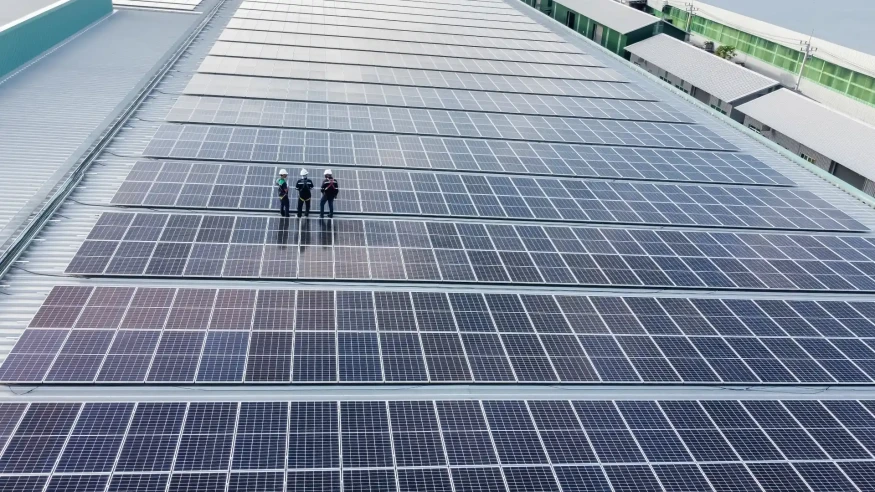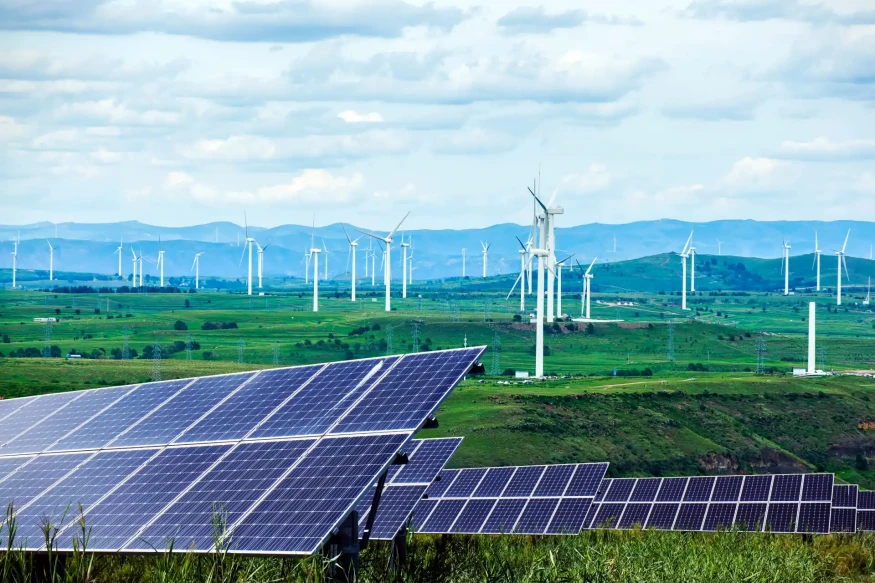
Solar farms and battery storage sites have expanded rapidly across the UK over the past few years, and with that growth has come a set of emergency response challenges that fire and rescue services were never originally built around. A grid-scale battery storage facility poses a fundamentally different risk profile to a warehouse fire or a house blaze, and the emergency planning around these sites is still catching up to the pace of deployment.
For site operators, local authorities, and the fire services that would respond to an incident, this gap matters well before anything goes wrong. Getting emergency response planning right at the design stage, rather than after a site is already operational, tends to make the difference between a contained incident and a prolonged one.
This article looks at why renewable energy sites present distinct emergency response challenges, and what is being done to close the planning gap.
COMPARE PRICES FROM LOCAL INSTALLERS
Compare prices from local companies fast & free
Enter your postcode to compare quotes from leading professionals. We promise to keep your information Safe & Secure. Privacy Policy
Battery Storage Fires Behave Differently
Battery energy storage systems, increasingly paired with solar farms to smooth out supply, carry fire risks that behave differently from more familiar hazards. Lithium-ion battery fires can reignite hours or even days after appearing extinguished, and they release toxic smoke that requires a different containment approach than a standard structural fire.
For more on how the UK renewable sector is adapting to these operational challenges via our blog, which covers similar developments across solar, storage and wider renewable energy topics.
Rural Locations Complicate an Already Difficult Response
Many solar and battery storage sites are located in rural areas specifically chosen for their available land, which often means limited road access, minimal water infrastructure for firefighting, and response times considerably longer than an urban fire crew would typically face.
This combination, remote location plus a fire type that behaves unpredictably, means standard response plans built around urban assumptions frequently do not transfer well to these sites without significant adaptation.
Communication Gaps Between Site Operators and Emergency Services
One of the more persistent problems is the disconnect between what a site operator knows about their own facility and what the responding fire crew actually has access to at the moment. Site layouts, isolation points, and hazard-specific information are not always readily available to crews arriving at an unfamiliar facility, particularly outside normal working hours when site staff may not be present.
Better on-site communication and monitoring systems are helping close part of this gap. Investment in public safety technology built for coordinating between site security teams and external emergency responders is increasingly part of how larger renewable energy operators are addressing this, giving crews faster access to the information they need on arrival rather than piecing it together on-site.
What a Robust Emergency Response Plan Should Cover
A few elements consistently show up in stronger emergency response plans for renewable energy sites:
- Clear site layout documentation, including hazard locations and isolation points, accessible to responding crews before they arrive
- Adequate water supply and firefighting infrastructure planned into the site design rather than added after the fact
- Defined coordination protocols between site security, operations staff, and the local fire and rescue service
Planning Ahead of Deployment, Not After
The sites that handle this best tend to involve their local fire and rescue service during the planning stage, well before construction begins, rather than treating emergency response as a compliance box to tick once the site is already built. This upfront coordination gives fire services the chance to flag site-specific concerns while changes are still relatively cheap to make.
According to the National Fire Chiefs Council, developers and operators of grid-scale battery storage should undertake a comprehensive risk management process to identify site-specific hazards, developing an emergency response plan in conjunction with the local fire and rescue service rather than as an afterthought once construction is underway.
Conclusion
The rapid growth of solar and battery storage sites across the UK has outpaced the emergency response planning built specifically around their risks, but that gap is starting to close as fire services, regulators, and operators develop more specific guidance. Getting this right earlier in a project's planning stage, rather than reacting once a site is operational, remains the clearest path to a genuinely robust response plan.
Find a local installer
Welcome to the biggest directory of UK renewable energy companies