Owning and managing a listed building is a tremendous opportunity to preserve Britain’s rich architectural heritage. However, eco-conscious listed property owners are under increased pressure to implement sustainable and environmentally friendly changes, which is not the easiest task to accomplish.
Many property owners assume that historical charm and sustainability are mutually exclusive. The reality is profoundly different, as listed buildings have the potential to offer a greener and more environmentally responsible quality of life. Property owners can honour the quintessential traits of historic British architecture with modern upgrades that lessen their impact on the environment.
Heritage properties do, however, require special consideration, as Historic England eloquently states. Unlike newer builds, period buildings have specific characteristics that must be carefully navigated. Whether you own a Georgian townhouse, a 16th-century manor, or a Victorian terrace, renovating a listed property has special criteria to meet, regardless of how green your proposed upgrades are.
What are the rules of renovating listed buildings?
Before instructing any builders, it’s essential to consult with the local planning offices of your council to obtain listed building consent. Some alterations may not require permission, but if your proposed works could affect the building’s character or appearance, then consent will be necessary.
That said, conservation officers in many councils are voicing the importance of energy-efficient improvements as the country strives to hit global net-zero targets by 2050. This has been a common point of contention for several years, but that doesn’t change the fact that many technologies that were previously considered incompatible with heritage homes are now finding their way into these buildings. Therefore, the impetus is there.
The planning process can, however, be time-consuming, often taking upwards of 18 months to obtain approval, particularly if your home is listed or located in a conservation area. The old proverb of ‘patience is a virtue’ rings especially true, but it can pay off in a big way. Working with specialists who understand heritage property regulations from the outset can no doubt streamline this process, with the experts at Hunters Group recommending consulting with a conservation architect if you’re planning on upgrading a period home.
Eco-friendly heating
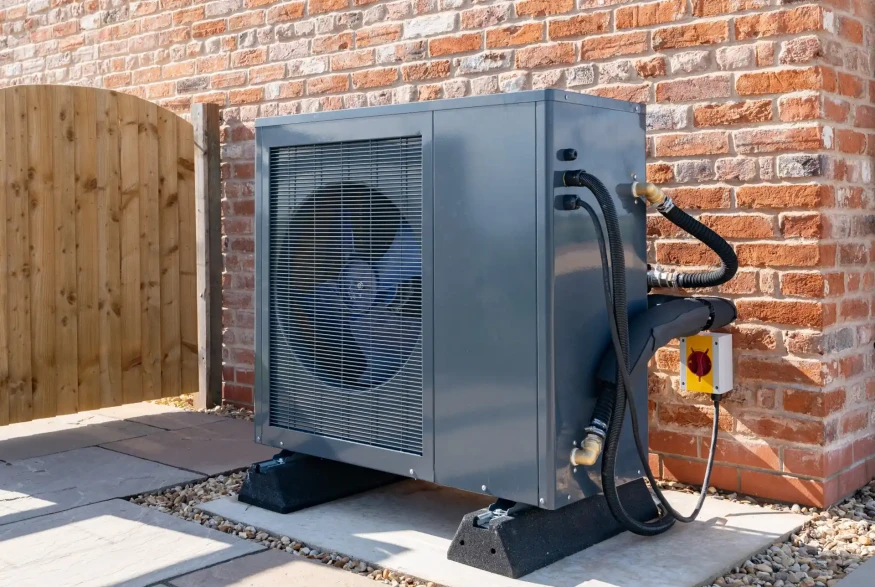
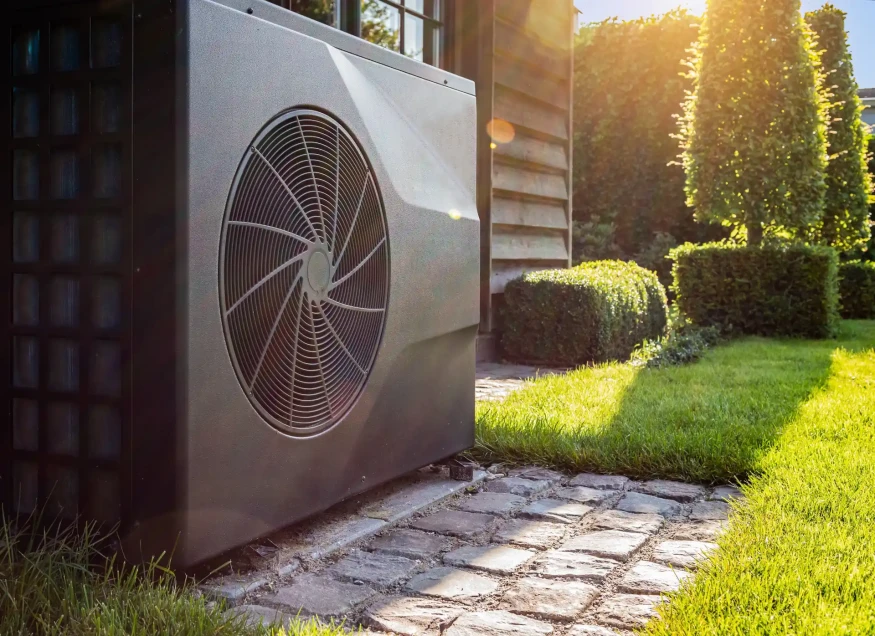
Air source heat pumps (ASHPs) represent one of the best opportunities for reducing a building’s carbon emissions. These systems can often be retrofitted to older properties with minimal obstruction, as they can be positioned in discreet and tucked-away areas at the rear of the building. Combine these with renewable electricity sources and suppliers, and heat pumps provide a valuable energy and cost-saver, despite the upfront costs (although some property owners may be entitled to government grants and schemes).
If an external heat pump installation isn’t possible or feasible, internal upgrades like adding top-quality insulation can preserve its heat retention qualities, without affecting the Tudor or Victorian aesthetic.
Glazing, draught-proofing, and airflow upgrades
Vacuum glass technology, which has the same outward appearance as single glazing but performs three times as well, represents a huge breakthrough for property upgrades in conservation areas. Adding this to your windows means you can maintain their authentic appearance while giving the property a better heat retention boost. Several listed buildings have installed vacuum glass solutions already, proving that conservation and energy efficiency can work seamlessly together.
Historically, listed properties have, at times, allowed air to permeate from the outdoors through leaks or cracks in floors and door or window frames. Smart draught-proofing around these essential elements can not only improve thermal comfort, but also energy efficiency. Secondary glazing, where applicable and permitted, provides another thermal barrier while preserving the timeless, traditional aesthetic of listed property windows.
The goal is to achieve moderate, controlled ventilation rather than eliminating airflow. Historic buildings need to breathe, and installing ventilation systems with heat recovery technology can provide fresh, filtered air whilst recapturing heat that would otherwise be lost.
COMPARE PRICES FROM LOCAL INSTALLERS
Compare prices from local companies fast & free
Enter your postcode to compare quotes from leading professionals. We promise to keep your information Safe & Secure. Privacy Policy
Sustainable building materials
When renovating listed properties, selecting materials with low environmental impact is an effective way to retain conventional aesthetics while supporting long-term energy goals.
Consider materials such as:
- Reclaimed and reliably sourced timber
- Natural stone
- Traditional lime mortars
- Hardwood
- Permeable paving materials
- Brickwork
These materials are inherently reusable and recyclable, and they can also enhance the character and environmental credentials of heritage properties.
Adding solar technology
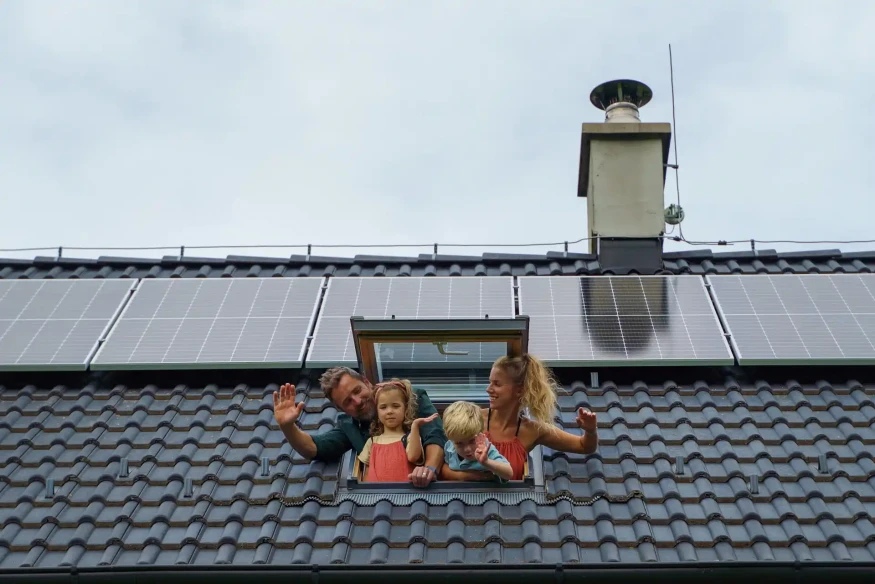
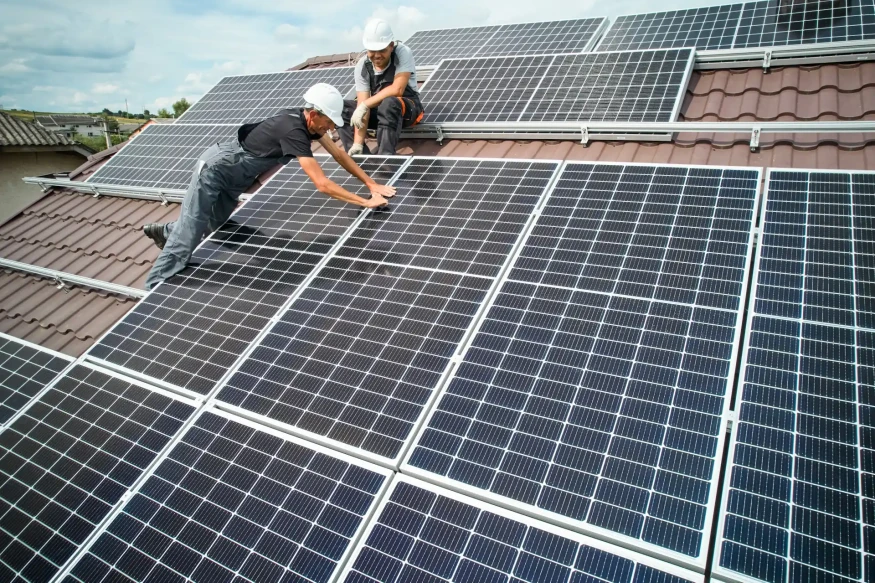
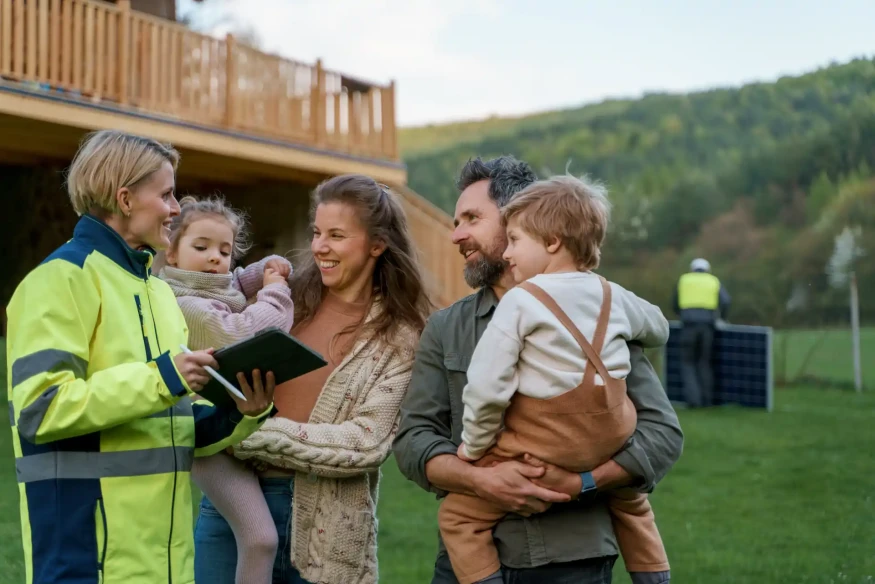
Solar panel installations for listed buildings can need more consideration but are still possible. Roof-mounted solar panels on rear elevations or outbuildings may be possible, particularly if they’re not visible from public viewpoints. Similarly, solar slate technology, which replicates traditional roofing materials, offers a more achievable and sympathetic aesthetic upgrade.
For properties where rooftop solar isn't feasible, ground-mounted systems or solar canopies over parking areas can provide renewable energy generation without compromising the building's appearance.
Next steps for upgrading listed properties
Integrating sustainable solutions and technologies while preserving the heritage of your building is something that many property owners will have to face in the coming years, if not already.
Global warming concerns are intensifying with each passing year, as evidenced in the Climate Change Committee’s recent progress report. As a result, the UK building industry is one of many that is having to adapt, rethink, and develop sophisticated ideas that respect Britain’s history while helping homes meet modern energy standards and laws.
The real art lies in engaging early with the right professionals, those who can offer tailored insights and suggestions on how to integrate the technology and products that ensure you are complying with listed building laws, meeting new and evolving energy standards, and giving yourself a quality lifestyle at home.
Bringing a centuries-old home into the 21st century is no easy feat, but successful projects that embrace an eco-friendly future, respect their history, and provide comfort for their inhabitants will attract the most intrigue and praise.
Find a local installer
Welcome to the biggest directory of UK renewable energy companies