The UK government announced on 16 March 2026 that it will be overturning the ban on plug-in solar panels and making them available to households for the first time. UK homeowners will soon have access to a quick, cheap, and easy energy solution.
This is just part of a broader push for energy security, driven by ongoing instability in the Middle East and the government’s commitment to reducing dependence on fossil fuels. Legalising plug-in solar is one of a range of measures aimed at making the UK more energy secure.
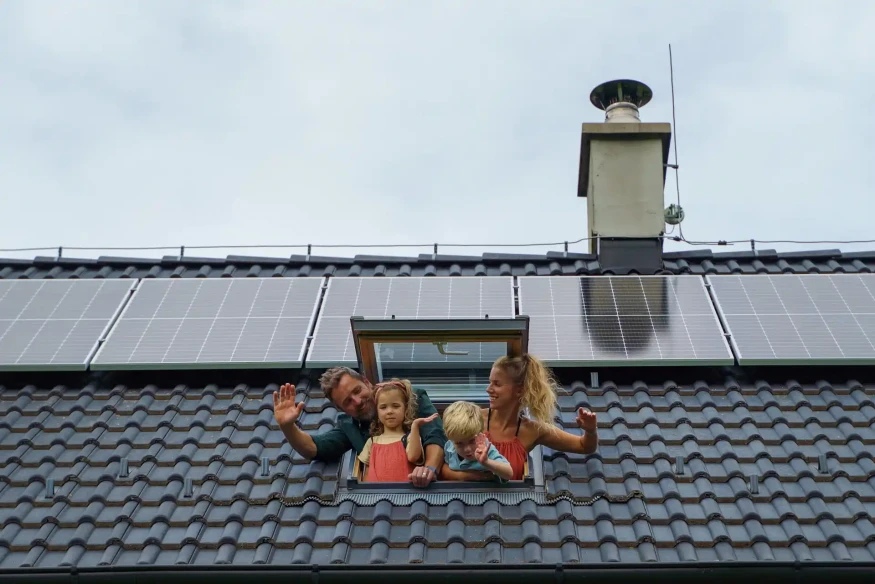
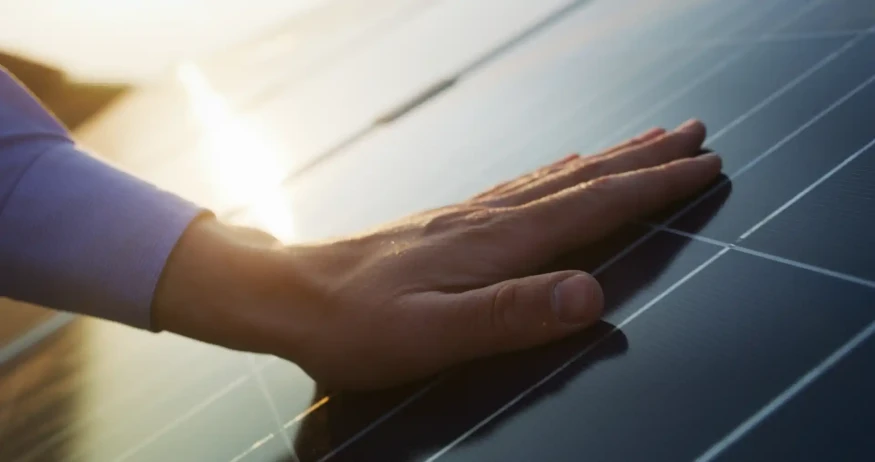
Plug-in solar panels are compact, portable modules that homeowners can install themselves without the need for an electrician. They can be placed in gardens or on walls and balconies, providing a new, simple alternative for renters and flat owners who may not have the option of rooftop solar. The electricity generated can be safely plugged into a mains socket like any other device, without installation costs, which will reduce the amount of electricity taken from the grid and help reduce energy bills.
Connecting a solar panel into a standard UK wall socket has been illegal under BS 7671 wiring regulations until now. Plug-in solar panels were banned for use in homes due to safety concerns, particularly potential fire risks linked to compatibility with UK electrical systems. There was no proper certification to cover the risk of fire or electrical shock when connecting a generator directly to a home’s mains wiring. The government had begun reviewing what could be done to allow the use of plug-in solar long before the latest Middle East crisis.
COMPARE PRICES FROM LOCAL INSTALLERS
Compare prices from local companies fast & free
Enter your postcode to compare quotes from leading professionals. We promise to keep your information Safe & Secure. Privacy Policy
A government spokesperson said in December 2025:
"Plug-in solar panels are not permitted because they must comply with existing electrical safety and wiring standards, and the government has begun a safety review to determine how they can be deployed safely."
Previously, if you wanted solar power, your only option was a professionally installed rooftop system or an off-grid set-up with a separate battery. Although this is about to change, it is unclear how the safety risks will be addressed before the ban is officially lifted.
According to the government, plug-in solar could see households make significant savings on their energy bills. It is already widely used in homes across Europe. Germany installed half a million of these systems in the last year alone. The UK government has said it will work with the relevant bodies, consumer groups, and industry to expedite the introduction of new safety standards and amend regulations to get plug-in solar on the market as soon as possible. Soon, families may be able to buy solar panels at the supermarket while doing their weekly grocery shop. Supermarkets haven’t yet confirmed whether they will be stocking the cheap energy source when the ban is overturned.
Secretary of State for Energy Security and Net Zero, Edward Miliband said:
“Global events demonstrate there’s not a moment to waste in our drive for clean power because there can be no energy security while we are so dependent on fossil fuels. Everything we are doing is about one purpose: fighting the corner of the British people by taking back control of our energy.”
What are plug-in solar panels?
A plug-in solar system consists of one or two compact solar panels paired with a micro-inverter that converts DC power into AC, which then feeds directly into your home’s electrical system through a standard mains socket.
The system is easy to install as no electrician, scaffolding or roof work is required.
The panels can be mounted on balcony railings, placed in a garden, fixed to a wall, or set up on a patio. When the sun hits the panels, they generate electricity that can power whatever your home is drawing on at the time: the fridge, the router, lights, devices on standby. The more you use while the panels are generating electricity, the less you pull from the grid.
Adam Bastock, founder of People, Planet, Pint, highlighted the convenience:
“You can plug them straight into your wall. Buy a solar panel from a supermarket, hang it somewhere with sunlight, and plug it in like any other device. The biggest saving is there’s no need to get an electrician to install them.”
How much does plug-in solar cost?
Based on current European pricing and kits available from manufacturers like Ecoflow, entry-level 300w systems are expected to retail between £300 and £500. If you go for a mid-range 800w system, the cost should come in at £600 to £1,000. A mid-range, 800w is likely to be the upper limit permitted in the UK for plug-ins. To put these costs into context, a traditional 3kW rooftop solar system will cost you between £3,000 and £5,000 and a traditional 4kW rooftop solar system between £4,000 and £7,000. Solar batteries are optional and will add an extra £2,500 to £5,000 to your initial outlay. However, a battery allows you to store solar energy that you don’t use during the day for use in the evening.
How much can you save with plug-in solar?
How much you save will depend on your location, how much sunlight your setup receives and how much electricity you use during daylight hours. If your plug-in system generates 600 to 800 kWh annually, and you are paying around 24p per kWh you should make savings of approximately £144 to £192 per year. A basic 400W setup would deliver roughly half that. In comparison, potential annual savings if you install a traditional 4kW rooftop solar system could be around £608 rising to £852 if you install a 5kW solar system.
What is the payback period for plug-in solar?
If you install a mid-range plug-in solar system, you will be looking at a payback period of around 3 to 6 years if you use the electricity as it is generated. The good news is that the panels will continue to work for 20 years and beyond. By way of comparison, if you were to install a 5kW rooftop solar system your payback period would be between 9 and 11 years. This of course would depend on several factors including financial, technical, and usage factors.
Advantages and Disadvantages of Plug-in Solar
Advantages
- Low Initial Cost: Kits can cost between £300 and £500 which makes them very accessible when compared to full rooftop solar systems which can often cost over £6,000+.
- Easy to Install: A professional installer is not required – you can do it yourself. Plug-in panels can be hung on balconies, placed in gardens, or attached to walls and plugged directly into a standard 3-pin socket. It also doesn’t take long to install.
- Ideal for Renters and Flats: It’s a great solution for anyone who cannot install permanent rooftop solar due to renting or lack of roof control.
- Portability: Because plug-in solar panels are easy to install and remove, they can be taken with you if you move house.
- Immediate Savings: They are designed to offset daily electricity usage (fridges, computers), with annual savings ranging from between £70 and £192 for certain systems.
- Modular expansion: Systems can start small (e.g., 400W) and be expanded over time.
Disadvantages
- Limited Power Output: Plug-in solar systems are very small compared to most rooftop systems. Usually, a plug-in system is under 800w meaning electricity usage is limited and it won’t be able to power the whole house.
- Limited Financial Return: The savings that can be made are small compared to a full system. Plug-in solar systems are not usually eligible for the Smart Export Guarantee (SEG) payments in the same way as a full system. This means that any surplus energy is typically exported to the grid without payment. Most energy suppliers currently require a Microgeneration Certification Scheme (MCS) certificate before paying for exported electricity, and MCS only applies to professionally installed systems which is not the case for plug-in solar. The key to maximising your return is self-consumption: running appliances like your washing machine, dishwasher, or tumble dryer during daylight hours so you use the electricity as it is generated, rather than exporting it to the grid.
- Lower Efficiency: Unlike roof panels that can be angled optimally, balcony or garden panels may not be in the best position which reduces energy production.
- Safety Constraints: Risks include potential fire hazards from overloading branch circuits that are not designed for extra power input. If high-power generation devices are connected to a socket, care needs to be taken to avoid over-stacking the socket with heavy appliances. It is strongly recommended to use a dedicated socket to avoid overloading and to ensure the system is properly designed. In the UK, regulations are undergoing a 2026 safety review to allow for widespread use.
- Lower Return on Investment for Homeowners: For a homeowner with a suitable roof, a full system is a better long-term financial decision.
This could be a good time to consider installing plug-in solar panels because they offer a low-cost, DIY friendly, and highly accessible way to generate clean energy and cut electricity bills, particularly for renters and flat residents who cannot install traditional rooftop systems. They also provide a great way for urban residents to actively reduce their carbon footprint. Using plug-in solar reduces reliance on volatile global fossil fuel markets, increasing our energy security, especially at a time of geopolitical instability.
Find a local installer
Welcome to the biggest directory of UK renewable energy companies