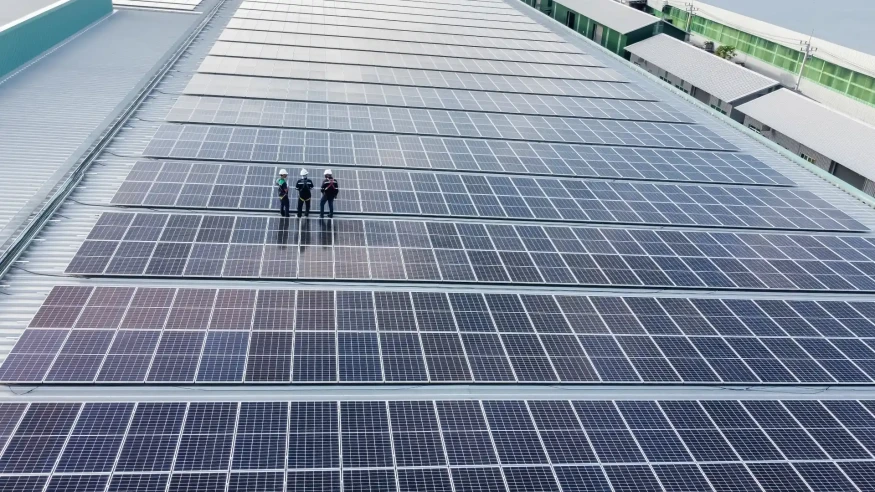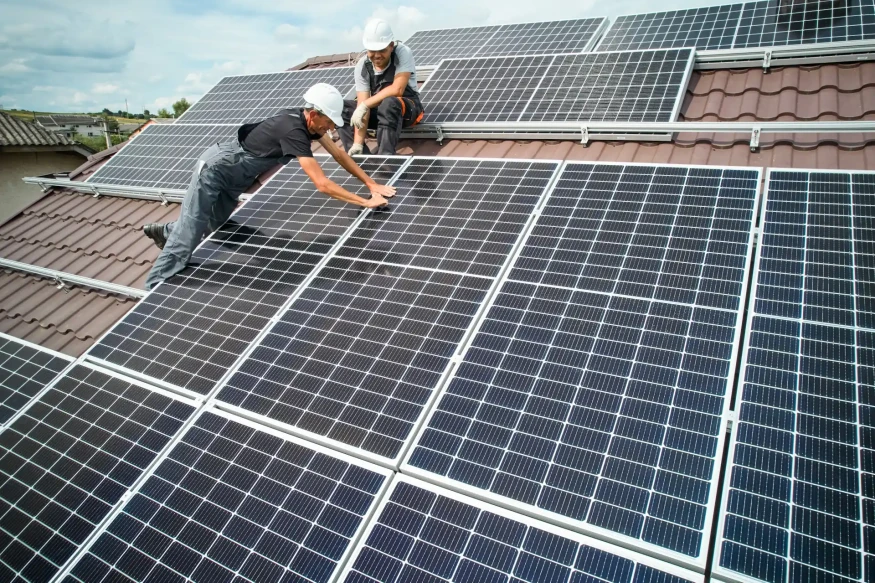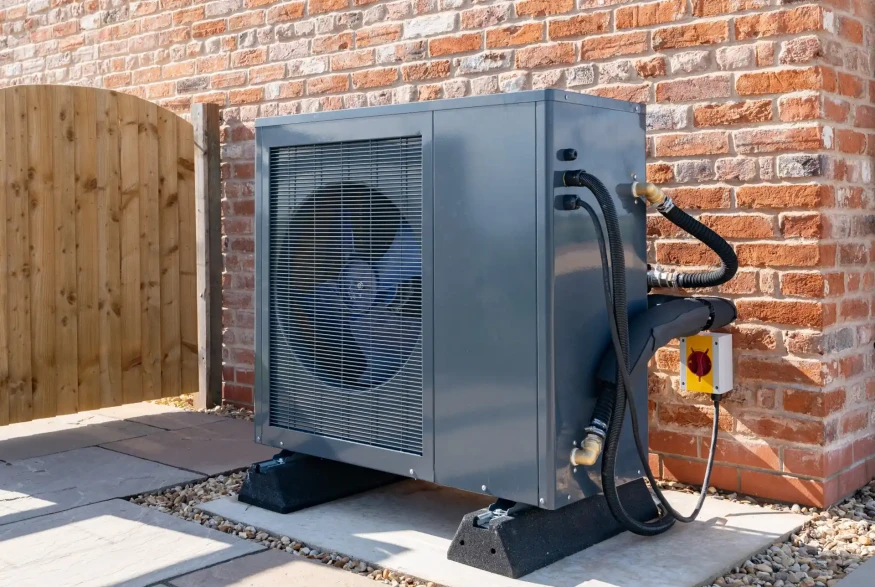
The UK government has launched the £15 billion Warm Homes Plan, the largest home upgrade plan in British history. The long-awaited plan which was announced in January 2026 aims to help millions of families benefit from solar panels, batteries, heat pumps and insulation that can cut energy bills.
The idea is to provide energy-saving upgrades throughout the UK that will speed up the transition to low-carbon heating and at the same time reduce fuel poverty. Up to 5 million homes will potentially see upgrades that save them hundreds of pounds and up to 1 million families could be taken out of fuel poverty by 2030. This plan is a major step towards addressing energy-inefficiency in the UK.
COMPARE PRICES FROM LOCAL INSTALLERS
Compare prices from local companies fast & free
Enter your postcode to compare quotes from leading professionals. We promise to keep your information Safe & Secure. Privacy Policy
There will be opportunities for all types of households to upgrade their homes. The public investment will also provide more targeted interventions for those households on low incomes living in energy-inefficient homes, help with upgrades for social housing and help with new standards to protect renters. Support will be available for low-interest or interest-free loans for green initiatives across the board.
The Warm Homes Plan is not limited to England although there are some localised grant schemes like the ‘Warm Homes: Local Grant’ which are restricted to England. It includes £1.5 billion specifically for Scotland, Wales and Northern Ireland to support the regional fuel poverty and emission reduction programmes that already exist and to supplement national initiatives. The devolved nations will continue to manage customised schemes like Warmer Home Scotland, Nest Wales, and NI affordable Warmth alongside these new funds. The energy and finance industry has strongly welcomed the new initiative.
The upfront cost of installing solar panels with a battery is an insurmountable barrier for many households but a funding package could be available, worth between £9,000 and £12,000 per home for this system. The government has said it wants to create a “rooftop revolution” by tripling the number of homes with solar.
What is the Warm Homes: Local Grant?
The Warm Homes: Local Grant (WH: LG) is a £500 million UK government-funded scheme, delivered by local councils in England. This new grant scheme will run until 31st of March 2028 and replaces earlier authority led schemes like the Homes Upgrade Grant. The scheme offers grants for energy efficiency upgrades and low carbon heating to low-income and energy-inefficient homes in England. The scheme provides grants of up to £30,000, to improve Energy Performance Certificate ratings to band C, usually at no cost to the homeowner. The aim of the scheme is to boost the EPC rating of your home to at least a 'C' once the improvements have been installed. The initiative’s overall aim is to reduce fuel poverty, align with Net Zero 2050 goals, and support the broader, yet-to-be-released Warm Homes Plan.
While this scheme is only available in England there are similar schemes in Wales, Scotland and Northern Ireland.
What home upgrades are available?
Each eligible household can receive about £15,000 worth of energy-efficiency improvements and a further £15,000 grant towards installing low carbon heating.
What measures are included?
Energy Efficiency
- Insulation (e.g. wall or loft)
- Draught-proofing
- Solar panels
- Battery storage
- Smart controls
Low Carbon Heating
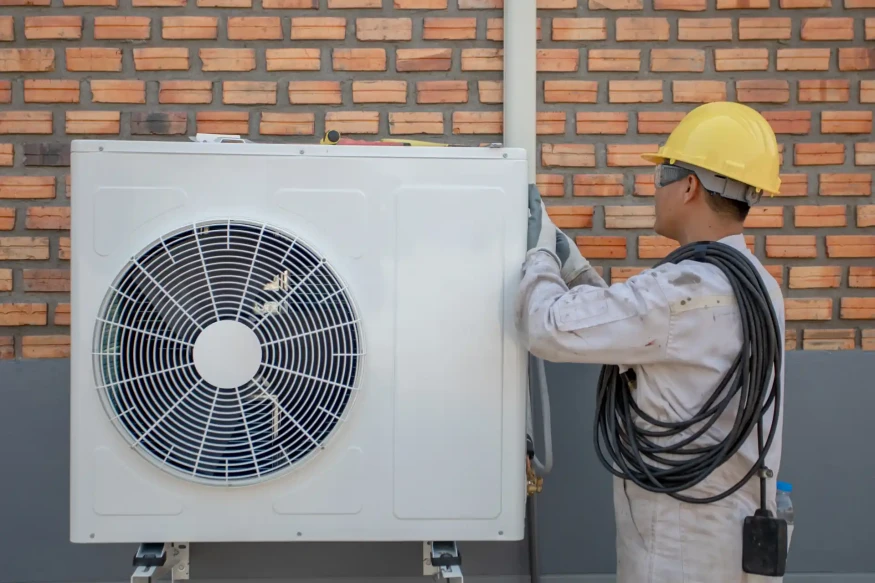
- Air and ground source heat pumps
- High retention storage heaters (in some cases)
Who is eligible for this grant?
- Your home must be in England and be privately owned or rented.
- Your household’s gross annual income must be under £36,000, although means-tested benefits (such as Universal Credit, Pension Credit or Housing Benefit) or living in certain low-income postcode areas can also qualify you.
- Your home generally has a low EPC rating of D to G.
- If you rent your landlord will need to be involved in the application for the grant. Renters must have permission from their landlord to take advantage of this scheme.
- The scheme is eligible for on-gas and off-gas properties.
How to apply for the grant
How you apply depends on whether you own or rent your home. If you are the homeowner, the quickest and simplest way to start the application process is to use the Government's online eligibility checker. You’ll be asked for your home address and to confirm whether your annual household income is more or less than £36,000. You’ll also possibly be asked to confirm the EPC rating the government has on record for you. If you are considered eligible you will then be asked for your email address and/or phone number. You can then automatically send your application to your local authority.
Alternatively, you can get in touch with your local authority directly to apply for the grant.
If you are a tenant in a privately rented home and your landlord supports your application for the Warm Home: Local grant you’ll need to get in touch directly with your local authority to make your application.
Your local authority should get in touch with you within 10 working days to discuss your application and ask for any other information they need. Your local authority will then arrange for a survey of your home to be conducted. If your home is eligible, it will arrange for an approved, trustmark-registered installer to do the work. They will not sell you any services and will never ask for your bank details. It is worth noting that not all local authorities are signed up for the scheme yet so your application may not be processed immediately.
Low and zero-interest loans for green technology
The government’s Warm Homes plan is aiming to ensure that everybody can install measures that will lower their energy bills. Through a government-backed Warm Homes fund, homeowners will have access to low and zero-interest loans to help cover the costs of installing:
- solar panels
- battery storage
- heat pumps (including air to air)
- smart controls
- home insulation
- draught proofing
If you live in England and Wales you’ll still be able to take advantage of the Boiler Upgrade Scheme which offers £7,500 off the cost of a heat pump. Currently, homeowners must cover the rest of the upfront cost as there is no additional financial support which makes installing a heat pump an unrealistic ambition for many people.
The introduction of the Warm Homes Plan will allow a lot more people to benefit from low carbon homes with lower energy bills. The UK Government expects that the number of rooftop solar panel systems could triple by 2030.
Direct support for Low-Income Households & Fuel Poverty
A significant portion of the budget has been put aside for free upgrades targeted at low-income and vulnerable households to bring down energy bills and improve comfort. Local authorities and social housing providers will play a role in delivering these upgrades. Low-income households will receive packages of upgrades free of charge based on the green technologies that are most suitable for their homes, backed by £5 billion of public investment. Under this plan families could receive fully funded installations of solar panels and a battery, to the full average cost (currently £9,000-£12,000). The funding could also mean upgrades to entire streets of social housing, lowering bills and improving warmth and comfort for all the neighbourhood’s residents.
New protections for renters
We have 1.5 million children living in private accommodation today who are suffering from the effects of living with cold, damp and mould. The government believes that it is the responsibility of the landlord to provide a safe, warm and affordable environment for their tenants. The government is updating protections for renters and supporting landlords to make the upgrades necessary to lift half a million families out of fuel poverty by the end of the decade. Landlords will be required to make the upgrades that are needed to improve their homes. They’ll need to get their properties to an Energy
Performance Certificate rating of C by 2030, spending up to £10,000 to make the necessary upgrades. It’s estimated that this will take 400,000 families living in private accommodation out of fuel poverty by 2030.
Currently the way that a home is awarded an EPC score is based on estimated running costs rather than energy efficiency which can lead to the score being downgraded following a heat pump installation. The government is now planning to announce changes to the assessment process later this year.
Key regional funding & policy Changes:
- £1.5 billion has been set aside for the devolved administrations to support local, tailored energy efficiency and heating upgrades.
- Rental properties in Wales must reach EPC rating C by 2030, with landlords able to access financing options. The Boiler Upgrade Scheme (grants of £7,500 for heat pumps) also covers Wales.
- Homeowners in NI gain access to new low/zero-interest loans for solar panels, batteries, and heat pumps, particularly targeting households not eligible for direct grants.
- All regions will see a shift in EPC standards from October 2026, with Scotland likely diverging from England/Wales/NI metrics. The plan also introduces £2,500 grants for air-to-air heat pumps.
The UK Government is intending to consult on options for the Warm Homes Fund later this year. The Plan confirmed that a new £5 billion Warm Homes Fund (WHF) will be set up to support the delivery of home upgrades. It is hoped that further details will be issued soon on how this funding will be rolled out quickly to support home upgrades. This will include low and zero interest loan offer for homeowners.
The UK Government hasn’t yet set out how they intend to spend the rest of the funding. The Plan indicated that this could go towards loans for:
- local authorities
- bulk buying initiatives
- community and co-operative led models
A new Warm Homes Agency (WHA) will be set up to support people looking to upgrade their homes. The idea is that the WHA will deliver impartial advice from 2027 online and through a national phoneline. This will be crucial to giving people the confidence to make changes to their home. However, not all details are entirely clear yet, but it is a major step forward towards delivering their key policy od setting up a national advice service for England.
The government is aiming to achieve several goals with the new Warm Homes Plan. Households could save hundreds of pounds a year through better efficiency and clean technology. Green home technology such as solar panels and heat pumps could see a big boost in uptake nationwide due to attractive incentives and increased awareness. At the same time carbon emissions are likely to be significantly cut by replacing fossil-fuel heating with low-carbon options which supports the UK’s net-zero targets. The Warm Homes Plan could play an important role in tackling fuel poverty especially in older, inefficient homes that cost more to heat.
Find a local installer
Welcome to the biggest directory of UK renewable energy companies