When a solar PV installer is designing a new solar PV system, they need to think about how they can do the best for their client and property to help them generate as much power from the sun at every stage of each day for the next 20 to 30 years. Solar installers decide what system size will make this happen for each client’s property.
Although oversizing is talked about quite a lot within the solar industry most people won’t be aware of this term or what it means. Before we look at what oversizing entails let’s look at the usual process when choosing a solar system size. One of the first questions that a client will ask is how many panels they need to have installed. To answer this question there are a few criteria to be considered as follows:
- Expected energy use in the future
- The solar system’s power generation potential throughout the year
- What energy generation will look like in the future and the impact the PV system size will have on the client and their property
- The size allowance of the local District Network Operator (DNO). A Distribution Network Operator (or DNO) is a company licensed to distribute electricity in the UK. The company is responsible for connecting PV systems to the grid. Usually, permission will be required if you wish to operate an inverter larger than 3.68kW which can be a good reference number for maximum AC power.
What is Solar Oversizing
Oversizing is considered to be a good thing because it’s supposed to help us take better advantage of our solar PV systems especially those of us who live in the Northern Hemisphere and others too.
Oversizing means that there is the capacity to produce more Direct Current (DC) power in a system than the inverter can effectively turn into Alternating Current (AC) energy.
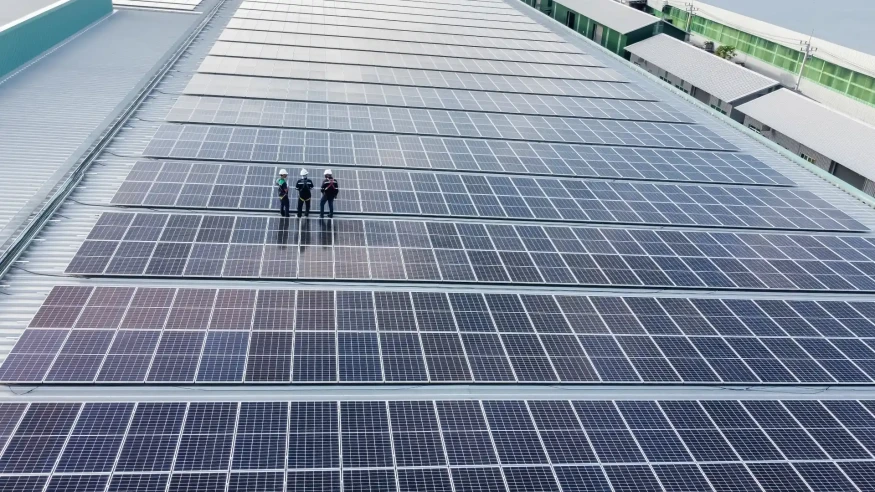
Simply put, oversizing a solar PV array means installing more solar panels than the inverter's rated capacity. This can lead to increased energy production, particularly during morning, evening, and cloudy conditions, by ensuring the inverter operates closer to its peak capacity for longer periods. Though this can mean that some energy may be lost during peak sunlight hours due to "clipping," the overall energy yield throughout the day and year is typically higher with an oversized array.
You might think that we should be aiming to have an equal amount of DC power coming in as AC power going out. This would be the case if panels always produced at their maximum stated output levels, but they don’t. To enable the inverter to produce as much as possible, it makes sense to allow more DC capacity than AC.
COMPARE PRICES FROM LOCAL INSTALLERS
Compare prices from local companies fast & free
Enter your postcode to compare quotes from leading professionals. We promise to keep your information Safe & Secure. Privacy Policy
What is Clipping?
Clipping occurs when solar panels generate more power than the inverter can process. The excess energy is basically “clipped off” which means it’s not used. This may sound alarming but the impact of this is not as great as it sounds. Although clipping might sound like wasted potential it is in fact an advantage. Clipping means your system spends more time operating at high efficiency and even with some energy being clipped, the overall energy production can still be greater compared to a completely matched system.
Benefits of Oversizing:
Better performance in less-than-ideal conditions:
Due to factors such as temperature, shading and orientation, solar panels don’t always produce at their maximum rated output. Oversizing is a great way of compensating for these losses and ensuring the inverter is still working efficiently.
Increased Energy Production:
Even when sunlight is not at its best (e.g., early morning, late afternoon or during cloudy periods) oversizing ensures the inverter operates closer to its maximum capacity for more hours of the day. Overall energy yield can be increased significantly this way.
Cost-Effectiveness:
Although adding more solar panels increases the initial cost, the extra energy generated can mean greater savings on electricity bills and a greater return on investment over the system’s lifespan. Also, market competition and technological advancements means that the cost of adding additional panels has significantly reduced.
Futureproofing:
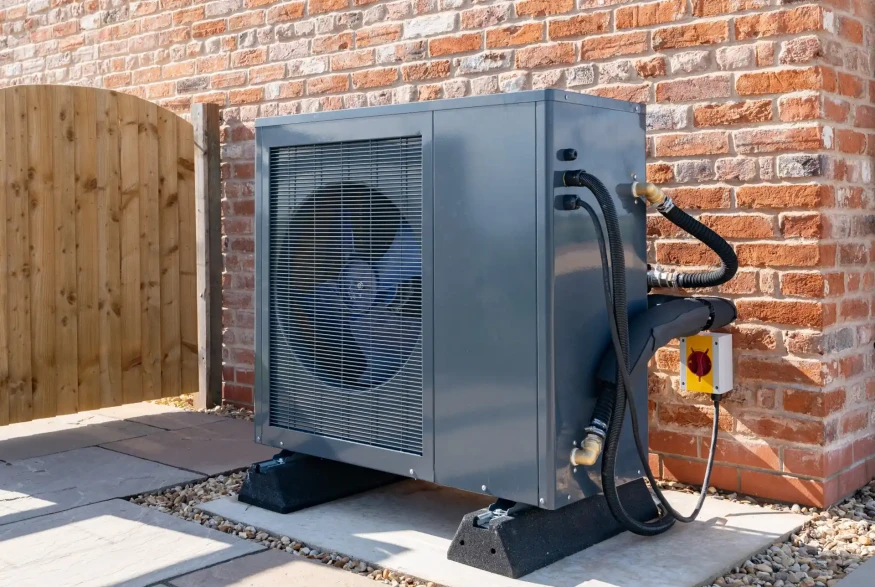
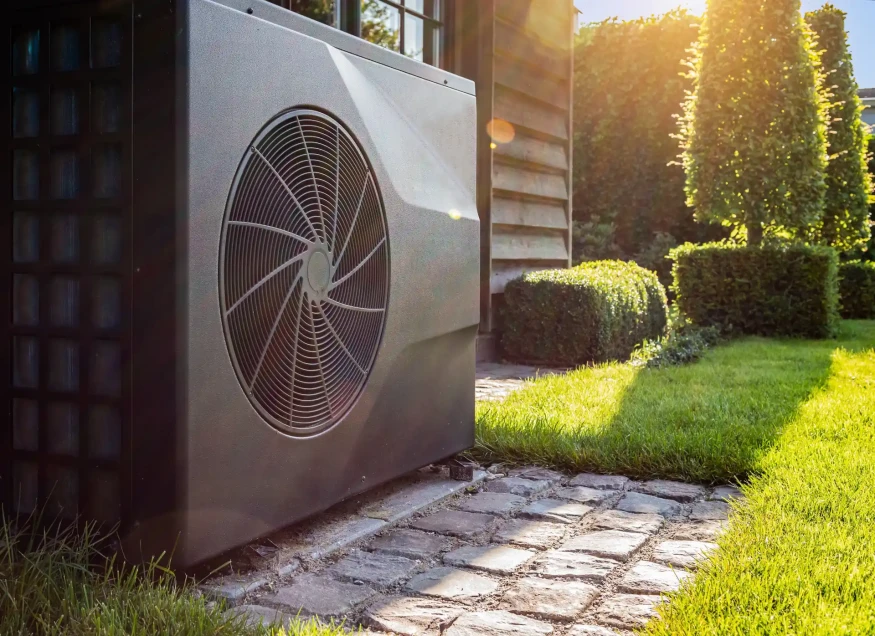
Oversizing can allow for potential future increases in energy consumption, such as adding an electric vehicle or heat pump without the need to replace the inverter.
Smoother DNO Applications:
In the UK, Distribution Network Operators (DNOs) manage the installation of solar systems. There are also regulations (G83) regarding the maximum export to the grid. For systems generating under 3.6kW, the application process is often faster and easier. Oversizing lets you use a lower-rated inverter while still generating more power from your panels.
Charging DC-Coupled Batteries:
Even with clipping, a DC-coupled battery can still be charged because it receives power directly from the panels before the inverter does its job. So, you’re effectively “saving” some of that clipped energy.
Potential Drawbacks of oversizing
Inverter Clipping:
The inverter may not be able to convert all the DC power generated by the oversized array into usable AC power during peak sunlight hours. The “clipped” energy is effectively lost.
Cost of extra panels
Even though the overall savings you are likely to make are substantial the initial cost of the additional panels needs to be taken into consideration.
Limited export potential
Exporting energy back to the grid might be restricted depending on your network’s limits.
Limited discharge capacity
A smaller inverter might mean that the system’s capacity to discharge energy is also limited.
Oversizing might not be future proof
If your energy needs grow you might require a larger system in the future.
There are many different inverters, and system designs to consider when you have decided to install a solar PV system. Each one comes with its own pros and cons. It’s important to carefully look at efficiency ratings, costs, and your long-term energy needs. It’s vital to check the inverter’s specifications and always work with a qualified installer to ensure the system is well designed and safe. Your installer will help you with all of this and by looking at how local conditions like solar resource availability, temperature, and electricity prices can influence the optimal oversizing ratio.
The concept of solar oversizing may seem complicated but it’s a strategy that is well worth adopting as it can offer significant benefits, from efficiency gains to cost savings. It’s an intelligent way to make the most of your solar panels for years to come.
EDIT: Check out our main article on How much roof space you need for solar panels or our article on how much energy do solar panels generate.
Find a local installer
Welcome to the biggest directory of UK renewable energy companies