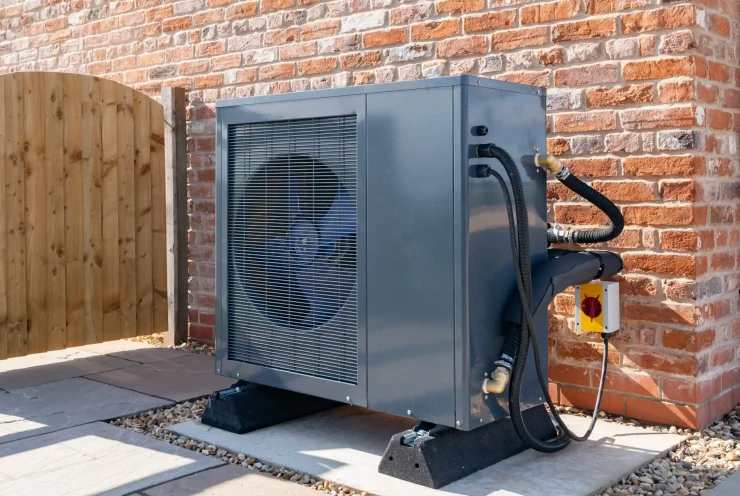
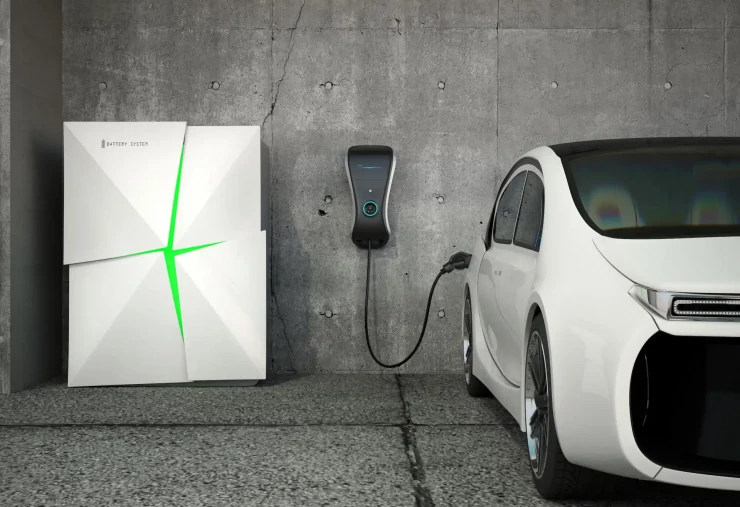
Pairing renewable energy with effective insulation is a smart way to improve the sustainability of your home. The bonus? Installing wall, loft, and roof insulation can lower your energy bills, earning you huge savings while cutting your carbon footprint.
We’ve put together this guide to help you maximise energy savings. Learn more about the different types of insulation, their suitability, and handy tips for increasing thermal efficiency in your home.
COMPARE PRICES FROM LOCAL INSTALLERS
Compare prices from local companies fast & free
Enter your postcode to compare quotes from leading professionals. We promise to keep your information Safe & Secure. Privacy Policy
How Much Money Can Insulation Save You?
Energy savings from property insulation will vary depending on:
- How insulated your home already is
- The type of insulation you choose
- Where you install the insulation
By adding insulation to uninsulated walls, for instance, you can reduce energy bills by 30%, saving £527 a year on an average bill of £1,750. By adding loft insulation, you can cut your bills by a further £380 a year.
You can also look at cost-effective methods of reducing energy loss in your home, such as adding thermal, made to measure curtains and installing draught excluders. These budget-friendly additions complement insulation, maximising the return-on-investment (ROI) of your energy-efficient upgrades.
Want to create a warmer home without jeopardising your finances? Check out the government’s Warm Home Plan for low-interest and interest-free loans.
What is the Best Insulation for Walls?
There isn’t a one-size-fits-all approach to wall insulation. With many options available, you’ll need to weigh up cost, performance, and suitability to make the best decision for your heating bills.
It also helps to know whether you have solid walls (a single-layer brick wall) or cavity walls (an inner and outer layer of wall with a gap between the two), as this affects the type of insulation you can install.
To make the right choice for your property and budget, let’s take a look at the different types of house insulation.
Mineral Wool
As one of the most affordable wall insulators, this is an excellent choice if you’re on a budget. It’s widely available, too, and easy to install for quick projects. It provides fairly good insulation, though it isn’t quite as high performing as EPS polystyrene.
For solid walls, mineral wool is installed in thick blankets, while in cavity walls, it’s either added during construction or injected into the space (typically in the form of blown mineral wool).
EPS Polystyrene
Effective and recyclable, EPS polystyrene is a firm favourite in UK properties. It’s a high-performing insulator with excellent resistance to moisture and mould, giving it a long lifespan of 50+ years. While it offers brilliant performance, it does come with a slightly higher price tag, potentially reducing your ROI.
For solid walls, you can install EPS polystyrene in the form of boards. For cavity walls, it’s injected into the wall in the form of beads.
Cellulose
Cellulose is championed for its sustainable properties and super low price point. It’s typically the cheapest type of wall insulation on the market, making energy efficiency more accessible for homes across the UK.
Made from wastepaper, cellulose is 100% biodegradable and recyclable, too, solidifying its place in the world of eco-friendly construction. The only thing to be aware of is that, due to a higher possibility of water retention, it’s often not the best choice for cavity walls.
What is the Best Insulation for Lofts and Roofs?
Lofts and roofs can require different types of insulation than walls. Start exploring your options and make the best choice for energy efficiency, sustainability, and your budget.
Mineral Wool
Just as for walls, mineral wool is a top choice for insulating roofs and lofts. A major advantage here is how flexible mineral wool blankets are, ensuring your insulation adapts to all the nooks and crannies of your space. This is particularly beneficial if you have an odd layout or a significant slope.
For an easy-to-install, affordable option that’s going to bring a lot of thermal efficiency to the table, you can’t go wrong with mineral wool.
Fibreglass
Another budget-friendly option is fibreglass. This is similar to mineral wool in that it typically comes in the form of large, thick blankets. It’s often made of recycled glass, too, earning it an extra sustainability point.
It’s very important, however, that fibreglass is installed by professionals. It can be highly irritating if touched or inhaled, so it’s generally not advisable if you’re taking on a DIY project.
Polyisocyanurate (PIR) Boards
Particularly popular for insulating lofts, PIR boards are a sturdy, hard-wearing form of insulation. They’re super easy to install on a flat surface, including as a DIY upgrade, and have a fairly low-price tag that won’t leave you shortchanged. Crucially for commercial and public works, you can find PIR boards with excellent fire resistance.
Spray Foam
Spray foam (also known as polyurethane foam) boasts super low thermal conductivity, making it an excellent insulator. When applied correctly, it creates a waterproof, air-tight coating with high durability.
Spray foam is often pricier than other options, though, so it isn’t always ideal if you’re looking to maximise savings for a residential project. It’s also far less sustainable than the other types of insulation and can produce volatile organic compounds (VOCs) when being installed.
Easy Ways to Insulate Your Home
When it comes to maximising energy savings at home, property insulation is a major win. To ensure your investment doesn’t go to waste, though, it’s important to look at other simple ways you can insulate your property and reduce heat loss. Get started with:
- Thermal curtains: Thick, insulated curtains stop cold air from entering through windows and doors. They’re a brilliant choice for reducing heat loss when you’re getting ready for winter, and can be swapped back to lighter fabrics when the warmer weather comes around.
- Draught excluders: Gaps under doors and around windows lead to a surprising amount of heat loss. Simple draught excluders, like foam strips or door snakes, block these gaps to keep your property warmer and help your renewable-powered heating go further.
- Double-glazing: Single-glazed windows lose heat twice as fast as their double-glazed counterparts. While this is a more extensive upgrade, it’s a must if you want to maximise the energy savings of your newly insulated property.
- Rugs and carpets: Another simple way to reduce heat loss is by adding carpets and rugs to your property. This works as a form of insulation for your floors while also making them comfier underfoot.
If you’re investing in property insulation, these additional upgrades are a brilliant way to maximise energy savings and double down on heat loss.
Final Thoughts
With energy prices fluctuating and frequent cold snaps in the winter, property insulation is a smart choice. Sustainable and cost-effective, what better way to futureproof your home against rising costs? Just be sure to check out the eco-credentials of your material before finalising your decision.
Looking for more articles on energy efficiency? Check out the latest on The Renewable Energy Hub Blog.
Find a local installer
Welcome to the biggest directory of UK renewable energy companies