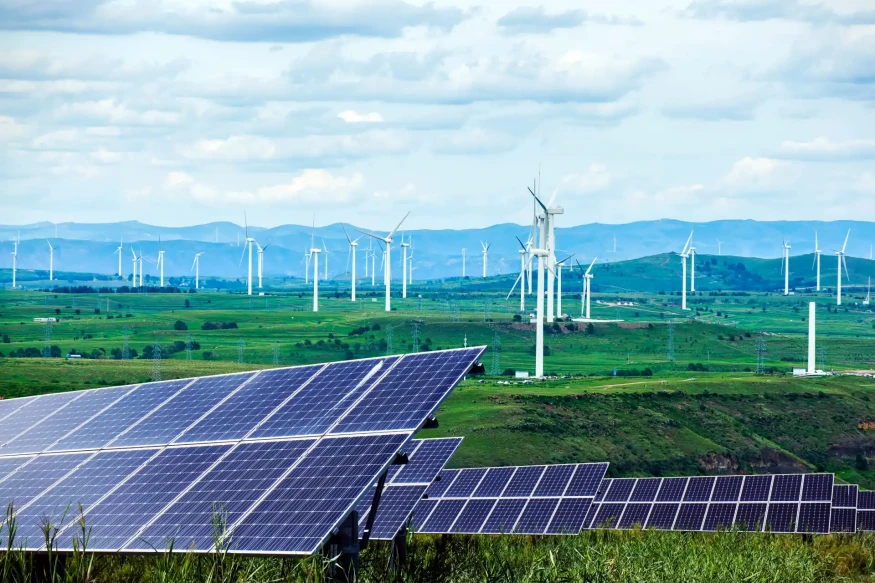
Solar Energy UK, a trade association, and the National Energy System Operator (NESO) have reported that solar energy supplied more power to Great Britain’s grid in July 2026 than in any previous month.
Solar farms and rooftop panels provided 14.4% of all electricity generated after some parts of Great Britain recorded almost twice the average sunshine hours for the time of year. Long periods of cloudless weather helped solar surpass the previous monthly record of 12.4%, set in May. The sector continues to power ahead, with solar generating a total of 3.2 terawatt-hours (TWh) during July.
COMPARE PRICES FROM LOCAL INSTALLERS
Compare prices from local companies fast & free
Enter your postcode to compare quotes from leading professionals. We promise to keep your information Safe & Secure. Privacy Policy
The record solar generation coincided with the dry, sunny conditions experienced during the UK's summer heatwaves. On Sunday 12 July, solar accounted for 18.8% of Great Britain's electricity generation. This came close to the daily record of 19.5%, set on 24 May. According to NESO, solar provided around 44% of Great Britain's electricity generation between 10.30am and midday on 12 July, reaching a maximum output of 15,427MW.
The record for embedded solar, smaller systems connected to local distribution networks rather than directly to the transmission grid stands at 16.3GW, set at 12.30pm on 23 April this year. Maximum immediate performance tends to occur in cool, bright conditions, though the longer days of summer can mean more is generated over the course of the day.
Julian Leslie, Strategic Energy Planning Director and Chief Engineer at NESO, said:
“These new records show the increasing power of solar. It’s hard to believe how far Britain has come over the past quarter of a century, with renewables now producing around 60% of our electricity – up from just 3% in the year 2000.
Enabling low-carbon technologies like solar to play their part in our energy future is critical to helping us on our journey towards building a cleaner energy future.”
The extra solar power also helped to meet the much greater than usual demand for electricity to run air-conditioning units and fans, providing a rare positive effect of the heatwaves that have led to drought, wildfires and record heat-related deaths across Europe.
According to Ember, a clean energy think tank, the average UK home with rooftop solar generated enough electricity to power the equivalent of over five hours of air-conditioning each day during the June heatwave, when record temperatures reached a peak for the summer so far.
Frankie Mayo, a senior analyst at Ember, said:
“The UK is firmly in its second solar boom, joining the trend we’re seeing worldwide, as households and governments look to it as a low-cost and local alternative to oil and gas.”
July's 14.4% share was 50% higher than in July 2025, when solar accounted for 9.6% of electricity generation, according to data from NESO. Until now 2025 was the best performing year for solar energy generation.
Solar Energy UK said new figures for 2025 showed that solar generation increased by 34.2% compared with 2024, reaching a record 20.1TWh. This was most likely due to “unusually long hours of sun” and increased installed capacity. Notably, the UK’s largest solar farm opened at this time.
Michael Shanks, Minister for Energy, said:
“These figures show that Britain’s solar sector continues to go from strength to strength, with electricity generation reaching a monthly record high last month.
After two fossil fuel crises in five years, the lesson is clear: the more power we generate here in Britain, the less exposed families and businesses are to global energy price shocks. That’s how we deliver energy security, get bills down for good and deliver skilled jobs in every part of the country. Alongside expanding clean, homegrown power, we’re cutting VAT on energy bills, giving families more breathing space this winter.”
This surge in solar power comes after official figures for Great Britain recorded more new solar installations of all kinds being completed in the first half of 2026 than any previous six-month period since the feed-in tariffs ended in 2011 when 167,316 installations were recorded in the second half of the year. The data for the first half of 2026 included large, ground-mounted solar farms and rooftop installations totalling 142,536 according to the Department for Energy Security and Net Zero (DESNZ). This puts 2026 on track to top last year’s record solar additions. The true level of deployment may be higher, as some commercial rooftop installations, including those on supermarkets and warehouses, often go unrecorded in official data as they are outside of the typical planning system.
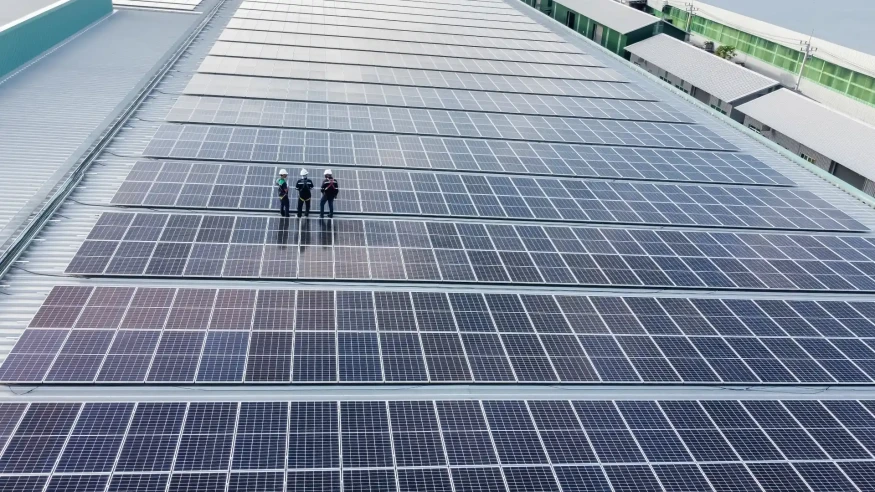
Great Britain’s new solar additions include the largest operating project in the UK at Cleve Hill in Kent last summer (2025). The 373-megawatt (MW) Cleve Hill project makes the UK’s first solar farm, the 1.4MW Wheal Jane solar farm in Cornwall, look small. However, it will soon be overtaken by the largest planned solar farm in development: the 800MW Springwell solar farm in Lincolnshire, which is expected to begin generating in 2029.
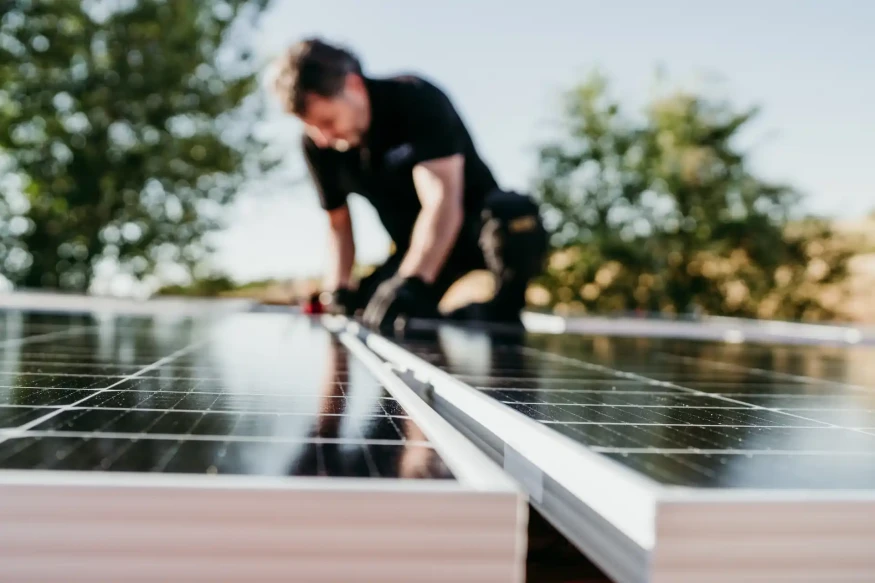
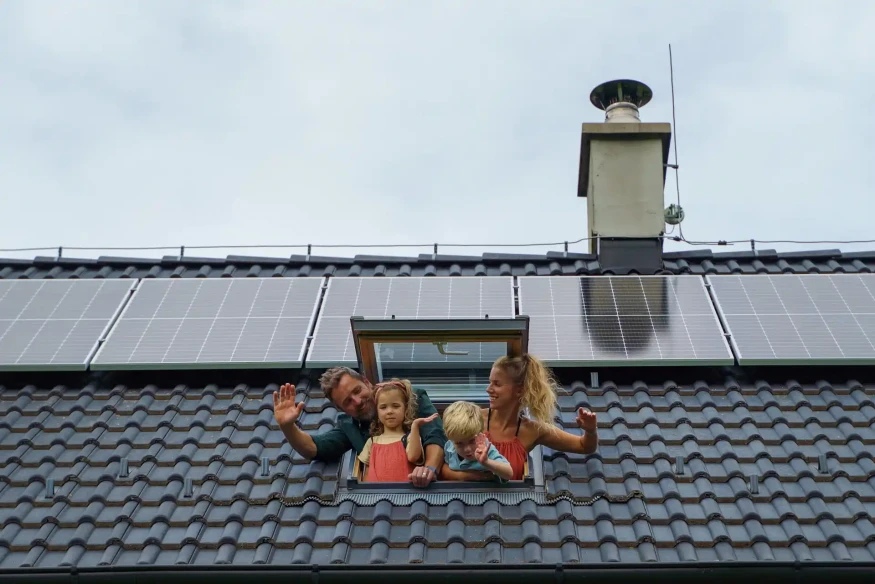
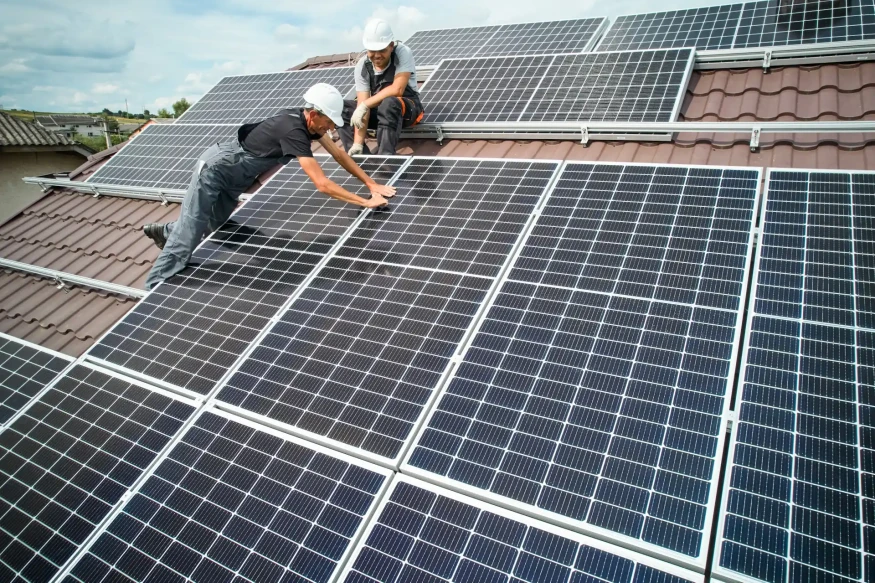
The biggest share of new solar installations was on home rooftops, making up slightly less than a third of the country’s total solar power capacity. More households have fitted solar panels to their rooftops in recent years, hoping that by generating their own low-cost electricity they can cut their energy bills at a time when fossil fuels have caused bills to soar.
Chris Hewett, the chief executive of Solar Energy UK, a trade association, said:
“Fifteen years ago, solar energy was a footnote in the electricity mix. Now it is a major player, delivering homegrown, cheap, clean and reliable energy. It’s a success story that the whole nation should be proud of.”
Grid-scale Battery Energy Storage Systems (BESS) also saw an increased share of electricity output, overtaking pumped storage in 2025. This growth was likely supported by falling costs, with BloombergNEF reporting that turnkey BESS costs dropped by 40% between 2017 and 2025.
Data from the International Energy Agency (IEA) shows that the cost of lithium-ion battery technology has fallen by 90% between 2010 and 2024, while offering longer service lifetimes and higher energy densities. Falling costs have helped drive wider adoption and innovation.
It was 15 years ago this summer that the solar industry saw its very first utility-scale development in Britain. The industry has come a long way since then. This is a story of sustained growth and growing confidence in long-term UK investment, with the benefits now becoming clear.
Solar Energy UK estimates that by 2035 the solar and BESS sectors could contribute £3.5bn a year to the UK economy and support almost 43,000 jobs, alongside 90GW of solar capacity and 50GW of battery storage.
Find a local installer
Welcome to the biggest directory of UK renewable energy companies