Birmingham City University has replaced the gas heating in its School of Health Sciences with heat pumps, as part of a wider £3.3 million decarbonisation programme across the university’s estate. This major heat pump-led project forms part of Birmingham City University’s decarbonisation programme which was announced in 2023. The School of Health Sciences is housed in the Seacole building at the university’s City South Campus in Edgbaston.
COMPARE PRICES FROM LOCAL INSTALLERS
Compare prices from local companies fast & free
Enter your postcode to compare quotes from leading professionals. We promise to keep your information Safe & Secure. Privacy Policy
The project was delivered by principal contractor SHEco Renewable Systems, working with wholesaler Kooltech and heat pump manufacturer Mitsubishi Electric. A two-month value-engineering process reduced the cost of the project by £2 million compared with the original tender, according to the project team. The wider decarbonisation programme is supported by funding from the Public Sector Decarbonisation Scheme, which is managed by Salix.
With Birmingham City University pledging to invest more than £450,000 of its own funding, the total programme value reached around £3.8 million.
The £2m saved represents a reduction against the original tender rather than any savings in energy use or carbon emissions. The original tender value, revised project cost and breakdown of where the savings were made have not been published.
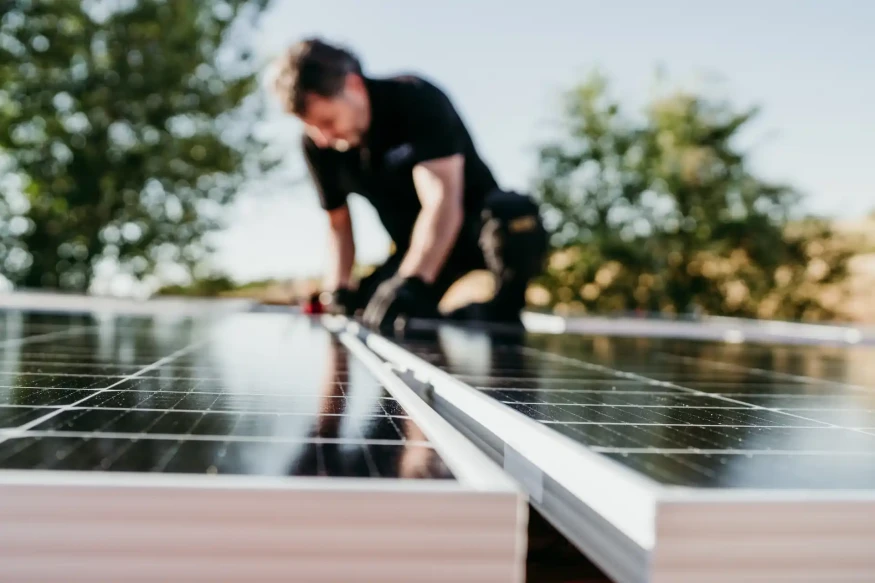
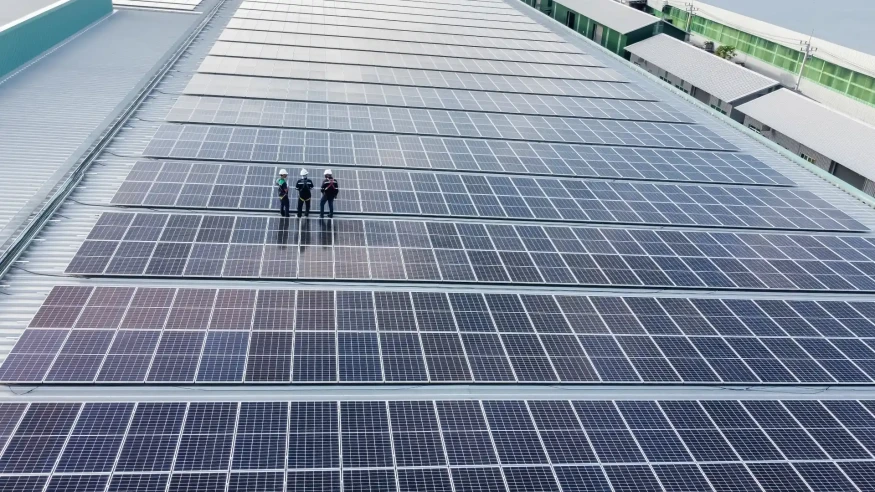
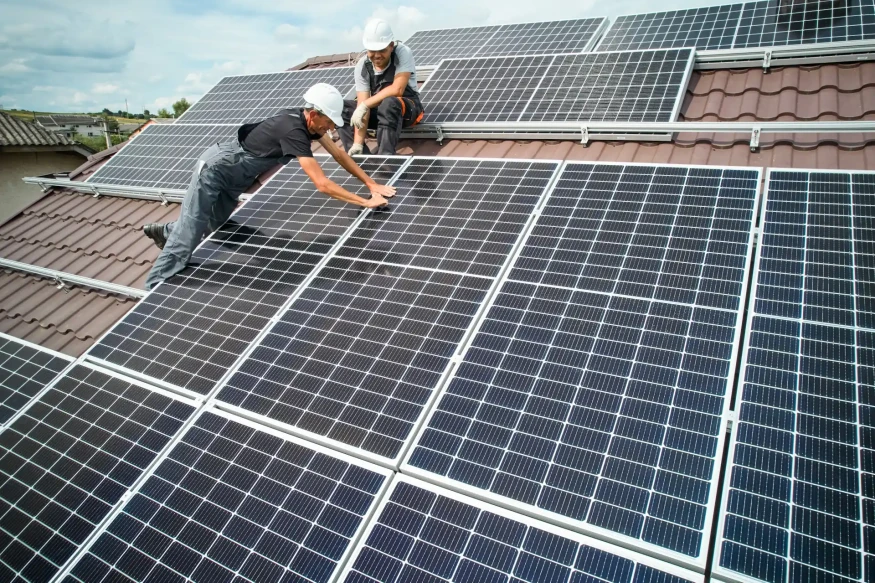
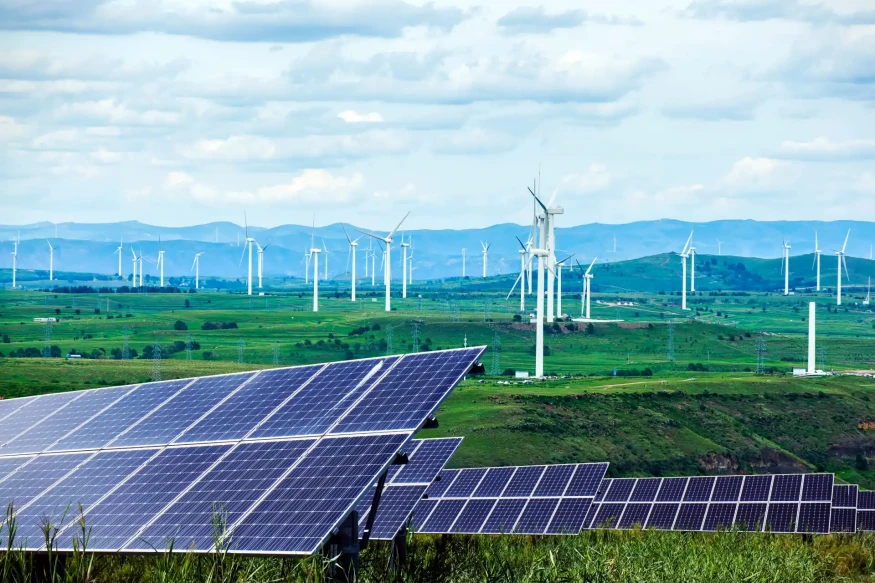
The funding has allowed the university to replace its ageing gas boilers and chillers with a heat pump-led heating and cooling system. The resulting system provides more than 1MW of heating and 1MW of cooling, alongside a 50kW solar array and extensive LED lighting upgrades to further reduce electricity consumption.
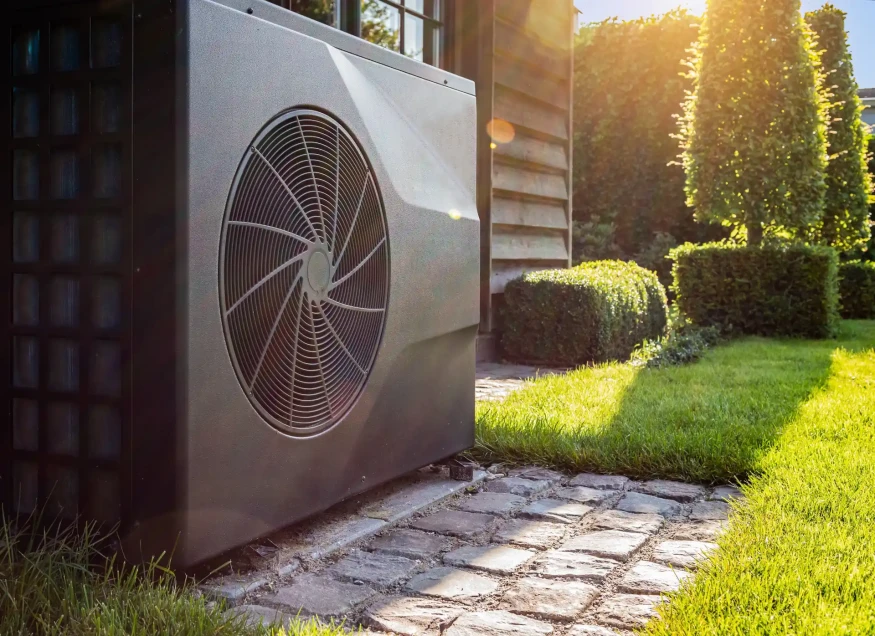
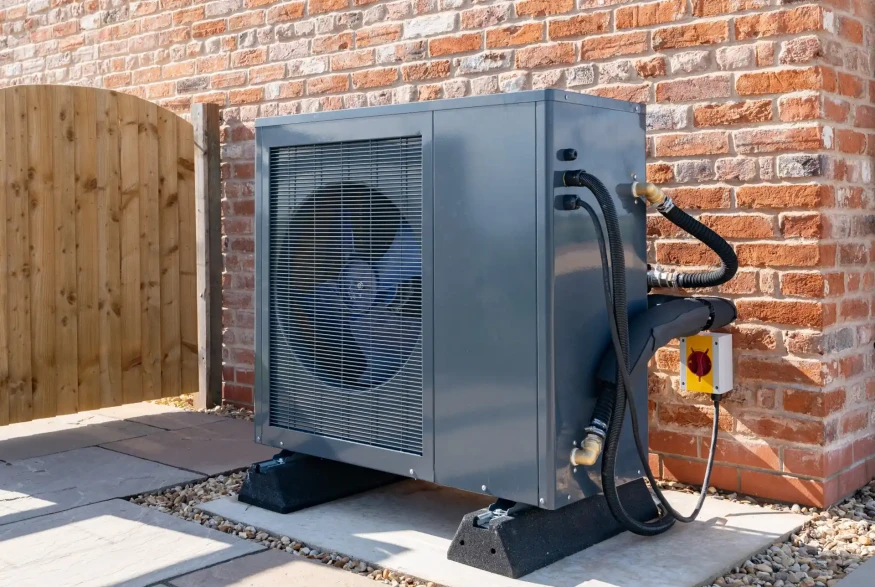
The system design uses two Climaveneta air-source heat pumps capable of simultaneous heating and cooling, feeding four Climaveneta EW-HT water-to-water high-temperature heat pumps.
The EW-HT units boost water temperatures to around 70°C, allowing the building’s existing secondary-side heat emitters such as radiators to be retained without needing replacements. According to the project team, keeping the existing equipment contributed to the overall cost saving.
Mitsubishi Electric Hydronics & IT Cooling Systems, part of the Mitsubishi Electric Group, describes the NX2-Q as a four-pipe air-source system capable of producing hot and chilled water simultaneously through separate circuits. Where heating and cooling are required at the same time, heat recovered from the cooling process can be used to improve the overall efficiency of the system. When used alongside the NX2-Q, the EW-HT water-to-water heat pump can raise the water temperature further, producing hot water at temperatures of up to 78°C. These higher flow temperatures can be useful in older buildings where existing heating systems were designed to operate at higher temperatures.
The measures being taken by the university are in line with its long-term sustainability strategy and carbon reduction commitments. The project marks one of the university’s first large-scale, heat pump-led decarbonisation projects and provides an example of how existing university buildings can be decarbonised using heat pump technology.
The university forecast that the programme would reduce carbon emissions across its estate by 8% and cut annual utility costs by more than £300,000. However, those figures were projections made when the programme was announced rather than measured post-installation results.
David Phillips, Senior Mechanical Engineer at Birmingham City University, explained:
“The University has a strategic goal of working towards zero carbon. SHEco, Kooltech and Mitsubishi Electric had to work quickly to develop a solution that met the building’s requirements, while remaining within budget.”
Adam Clark, Commercial Director at SHEco Group added:
“Working closely with Kooltech and Mitsubishi Electric enabled us to protect the University’s core performance requirements while identifying significant opportunities to reduce costs, without compromising technical quality or performance.”
Mitsubishi Electric provided specialist product support to ensure the flow temperatures matched the building's heating and cooling loads, while also meeting the requirements of the Public Sector Decarbonisation Scheme and working with the existing infrastructure at the City South Campus.
David Phillips said:
“We’re really pleased with the result. The best thing I can say is that we hardly had to speak to them during the project as they’ve just carried on and provided us with solutions to any minor deviations that they came across.”
The project demonstrates how collaboration between manufacturers, contractors and suppliers can help turn decarbonisation plans into practical solutions while working within tight budgets and timelines.
Birmingham City University is not the only university in the city investing heavily in decarbonisation. The University of Birmingham, a separate institution, is also working towards its own net-zero targets, with measures including solar power, energy-efficient lighting and improvements to heating, ventilation and cooling systems across its estate. Multiple solar panel arrays are being installed across campus roofs to supply clean zero-carbon electricity. Lighting is being upgraded to motion-activated LED systems campus wide and the controls for heating, ventilation, and air conditioning (HVAC) are being refined. State of the art cooling systems are being deployed to lower the energy footprint of digital infrastructure.
The University of Birmingham is also using its buildings and research facilities to explore low-carbon technologies. Its researchers have been developing technologies including thermochemical energy storage, which could provide another option for improving the efficiency and flexibility of low-carbon heating systems.
Conclusion
Birmingham City University’s project shows how heat pumps can be used to decarbonise larger, existing buildings without necessarily replacing the entire heating system. By combining air-source and high-temperature water-to-water heat pumps, the university has been able to move away from gas while retaining much of the building’s existing heating infrastructure.
The £2 million reduction against the original tender also demonstrates the potential value of reviewing system design and making use of existing equipment where possible. Alongside the new heat pumps, solar PV and LED lighting upgrades should further reduce the building’s reliance on fossil fuels and purchased electricity.
The longer-term impact will become clearer once measured energy use, carbon savings and running costs are available. If the university achieves the savings originally forecast, the project could provide a useful example for other universities and public-sector organisations looking to decarbonise older buildings without the cost and disruption of replacing their entire heating infrastructure.
Find a local installer
Welcome to the biggest directory of UK renewable energy companies