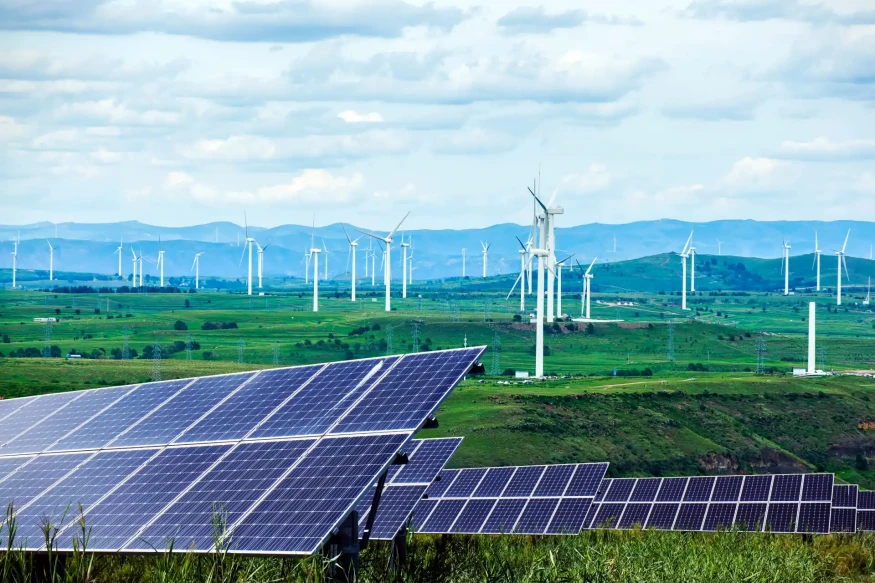
The UK is fast becoming a global leader in renewable energy. Robust government incentives and a competitive private investment market are driving the creation and expansion of offshore wind farms and solar energy fields, fueling the country’s shift away from fossil fuels.
These eco-friendly power sources are now an integral part of the UK’s public infrastructure, but as strategic assets grow in value and scale, they become more attractive targets. An increasing dependence on renewable energy means that acts of intrusion and theft carry greater weight, affecting investor confidence and interrupting the operations that supply power to millions of Brits.
How a site manages entry, observation, strategy, and communication is closely tied to operational efficiency and is a decisive factor in the future growth and stability of sustainable development.
COMPARE PRICES FROM LOCAL INSTALLERS
Compare prices from local companies fast & free
Enter your postcode to compare quotes from leading professionals. We promise to keep your information Safe & Secure. Privacy Policy
The value and vulnerability of renewable energy in the UK
2024 marked the first year that renewable sources accounted for over 50% of the UK’s energy generation. As a global leader in onshore and offshore wind power, and with plans for major low-carbon expansion through to 2030, this impressive benchmark will likely become a baseline in the coming years.
Battery storage sites play a pivotal role in the storage and distribution of surplus energy, and projections of production growth have spurred a separate but equally competitive investment market. Although current storage capacity is around 5000MW, over 60% of the UK’s battery pipeline remains in the planning stage, indicating a significant push toward flexible systems to support increased renewable generation.
With such significant capital investment underpinning these advancements, the physical security of sites, personnel and assets becomes a core consideration.
The physical threat landscape for renewable sites
The diversity of solar, wind and battery sites increases both the number of threats, and the technical complexity of addressing them.
Some of the most pressing physical security risks facing energy sites are:
- Theft - Batteries, copper wire, and solar panels can all command high resale prices. Remote sites are easy targets for sophisticated criminals, especially those with lax or fragmented security.
- Vandalism - It’s easier for malicious actors to damage or destroy equipment than to dismantle it for sale. Even minor acts of vandalism can require a comprehensive investigation to ensure the damage is contained.
- Trespassing - As renewable energy sites are often located near public rights of way or in isolated countryside land, trespassers can remain undetected for an alarming period. The mere presence of unqualified and unauthorised personnel around high-voltage equipment poses a safety risk to both personnel and operators.
- Sabotage - Political threats can come from domestic groups seeking to disrupt and send a message, or from foreign governments engaged in espionage.
Practical steps to enhance solar, wind and battery site security
Effective security always starts with intelligence gathering. A thorough risk assessment should identify relevant, specific concerns.
A robust threat assessment for renewable energy sites should cover:
- Geographic location - Are there any regional concerns, such as organised crime groups or environmental issues?
- Equipment - Where is your high-value and priority equipment stored, and who has access to it?
- Access points and perimeter - What measures govern entry to the site? Is movement tracked throughout?
- Visibility - Which areas of your site are poorly observed or obscured from view? Where can trespassers reach without being flagged by security?
- Past incidents - Have prior events been mitigated through changes in strategy? Do any patterns present themselves in the data?
Follow UK government guidelines for securing critical infrastructure to conduct a targeted assessment of potential risks.
Core security measures
It is also productive to assess your current security strategy to identify its strengths and weaknesses. No single control method is sufficient in isolation to safeguard critical infrastructure, particularly at complex sites that require layered, integrated systems.
The core components of a comprehensive site security strategy include:
Boundary control
As the first line of defence, your perimeter controls should clearly delineate the boundary between public space and restricted access. Features such as:
- Anti-climb fencing
- Secure gates for vehicles and personnel
- Hazard signage
- Vegetation management
Exterior lighting can further secure your ports of entry by deterring entry, and increasing visibility around key areas.
Remote monitoring
Modern video security cameras help detect unauthorised access early and support faster response times. Remote viewing capabilities enable centralised security teams to monitor multiple sites in real time, which is essential for remote sites with fewer active staff on hand.
These systems can be calibrated in accordance with applicable GDPR requirements, aiding in compliance reports, audits and investigations.
Access control management
Controlled access systems streamline credential management, an important consideration in environments that regularly host contractors and maintenance teams.
It’s also worth considering processes for lost credentials, and chains of command to address discrepancies or suspicious entry attempts, within your access control protocols.
Operational effectiveness lies in planning
Renewable energy estates continue to expand, and it’s more important than ever that the security strategy matures to meet emerging demands. Practical steps such as perimeter maintenance, defined response plans, and modern integrated security systems are only as effective as the planning that supports their implementation and execution. The future of renewable energy in the UK depends on the confidence of private investors and the stability of the infrastructure, and effective physical security measures help meet both priorities.
Find a local installer
Welcome to the biggest directory of UK renewable energy companies