With sustainability topping the agenda across every industry, the UK housing sector is no exception. Today, environmental responsibility and economic opportunity have reached a pivotal moment, as developers, construction companies and businesses unite in their efforts to tackle climate challenges.
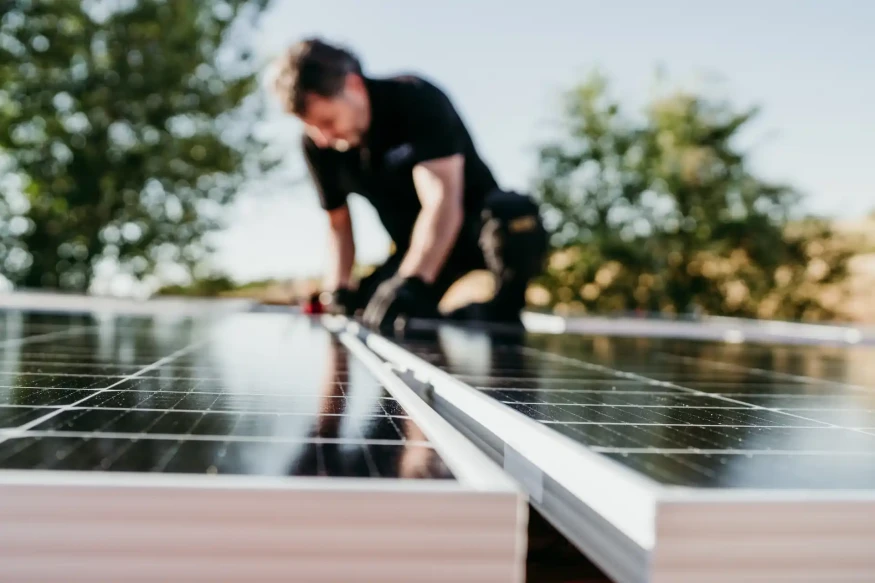
The UK government has also proposed plans to legislate for solar panels to be mandatory in new builds down the line.
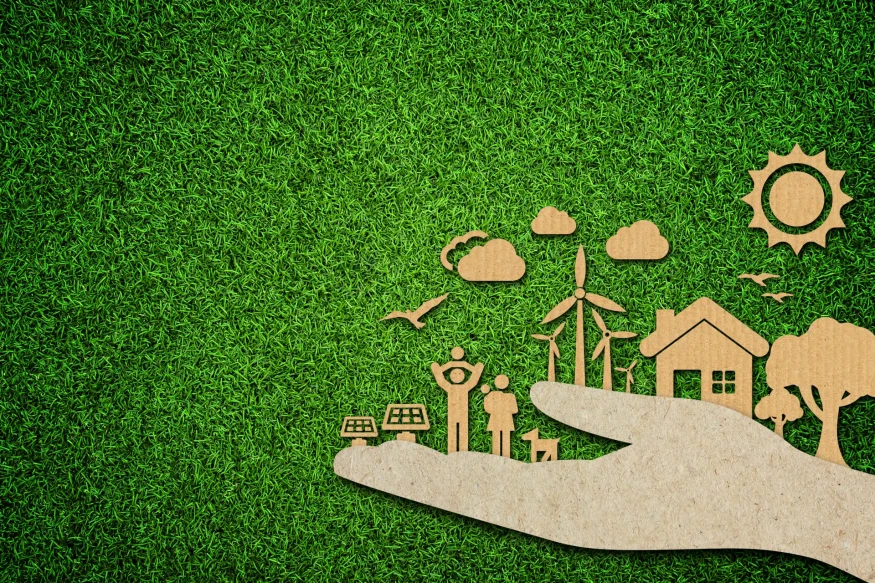
This article explores this relationship between sustainable properties and the circular economy, and how it represents an important building block for homeowners and communities, to pave the way towards a sustainable future.
What is a circular economy
To begin with, it’s important to define the circular economy before then understanding its position in the property market. As defined by the Ellen Macarthur Foundation “The circular economy is a system where materials never become waste and nature is regenerated.” This creates a regenerative model where “products and materials are kept in circulation through processes like maintenance, reuse, refurbishment, remanufacture, recycling, and composting.” With such a fundamental shift from the traditional model of ‘take, make, dispose’, this facilitates a system that keeps resources in use for as long as possible.
This approach is supported by the government and the UK Green Building Council (UKGBC), with the latter advocating for energy-efficient housing and offering guidance that champions the transition to a more circular built environment. It is an approach that offers longer-term environmental, economic and social benefits.
Therefore, the circular economic model in the property environment is about prioritising material reuse, while also recycling and promoting durable materials that can minimise a building’s environmental impact throughout its lifecycle. It covers the design, construction, maintenance and means of powering property with energy-efficient and renewable systems that can help to lower their carbon footprint and cut waste.
Contributing eco-benefits with renewable energies
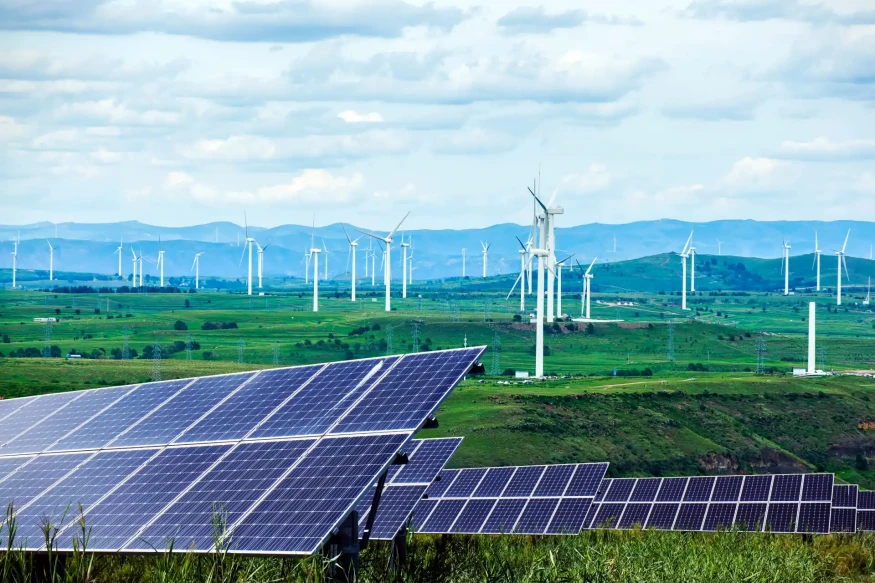
There is a powerful synergy between these circular economic principles and renewable energies that amplifies the environmental benefits of both approaches. Renewable energy sources like solar, wind, and heat pumps align perfectly, by operating on naturally regenerative cycles. Solar panels harness the sun's energy without depleting it, wind turbines capture kinetic energy from natural air movements, and ground source heat pumps utilise the earth's stable temperatures.
This synergy is particularly evident when considering the lifecycle of renewable energy technologies themselves. Modern solar panels can be recycled at the end of their 25–30-year lifespan, with valuable materials like silicon, silver, and aluminium recovered for new applications. In the same way, battery storage systems, increasingly common in sustainable homes, incorporate recycling programmes that recover lithium, cobalt, and other precious materials.
Leading the way
The principles of the circular economy are being powerfully demonstrated by innovative businesses across diverse industries, who are openly sharing the steps they are taking, and the potential it offers. For example, MPB, by the nature of their business as a global platform for used photo and video gear, have integrated this approach across all of their operations, showcasing a strong commitment to circularity and renewable practices.
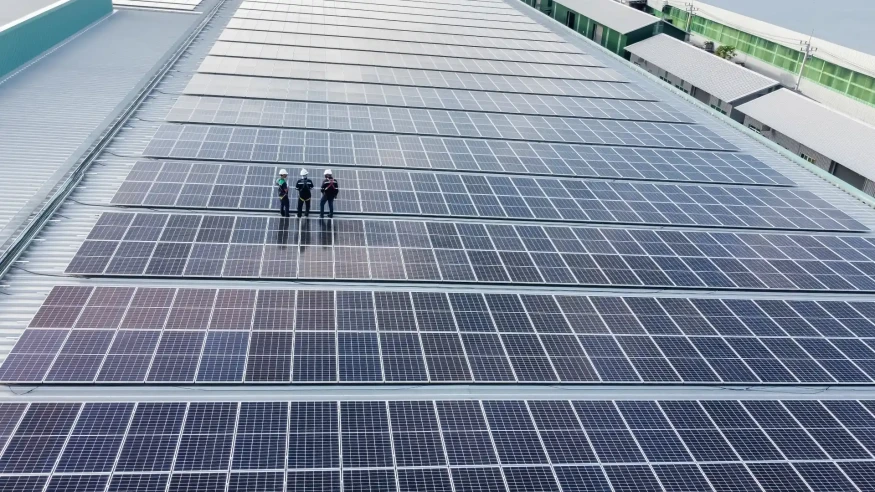
Across homes, businesses, schools, industries and with the backing of government initiatives, organisations like ourselves, Renewable Energy Hub, are leading the way in demonstrating how circularity principles can and should be adopted throughout any business framework. Essentially, pioneering sustainable methods, adopting renewables and showing a strong commitment isn't just environmentally responsible—it makes good business sense that creates resilient, efficient operations.
COMPARE PRICES FROM LOCAL INSTALLERS
Compare prices from local companies fast & free
Enter your postcode to compare quotes from leading professionals. We promise to keep your information Safe & Secure. Privacy Policy
Realising the advantages for homeowners
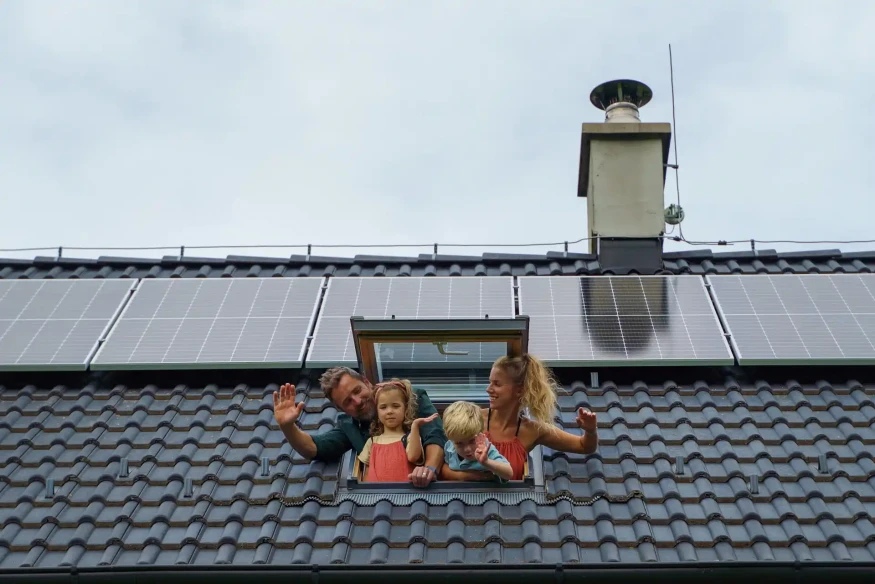
For UK homeowners, adopting renewable energy presents compelling advantages in multiple ways, from lower utility bills to adding value to homes. Typically, solar panel installations pay for themselves within 8-12 years, while providing decades of reduced electricity bills thereafter.
Adopting a circular approach to home improvements ensures that renewable energy installations are designed for the future. This long-term mindset can also protect homeowners' investments while contributing to broader environmental benefits. According to recent studies, properties with solar panels can also achieve a higher market price, with the potential to increase a property’s value by up to 4%.
Similarly, smart technology integration allows homeowners to monitor and optimise their energy consumption in real-time, creating feedback loops that drive continued efficiency improvements. Such changes can also all help to improve a home's overall EPC rating.
However, these sustainability benefits are not confined to individual properties; their reach extends to community-wide impact. Homes incorporating circular economy principles and renewable energy help to lessen pressure on the UK’s national grid infrastructure, lower carbon emissions, and improve local air quality.
Adopting renewables in old and new properties
The adoption of solar power has risen dramatically in the last few years with the MCS Foundation indicating that over 1.7 million homes now have solar panels installed. These figures complement the government’s latest building regulations and policies, as mentioned earlier, that increasingly favour renewable heating systems across current and new-build properties. Indeed, many local authorities are also incorporating renewable energy requirements into their planning policies.
New-build developments are integrating renewable energy solutions from the design stage with sustainable developments featuring community systems and smart grid connectivity that allows homes to both consume and contribute energy to the local network. The circular approach also extends to energy generation patterns.
Renewable energy systems can create local energy loops where excess generation from one property can be shared with neighbouring homes, creating community energy circles that reduce dependence on centralised grid systems and minimise transmission losses. These developments demonstrate how renewable energy can seamlessly integrate into circular principles from the ground up.
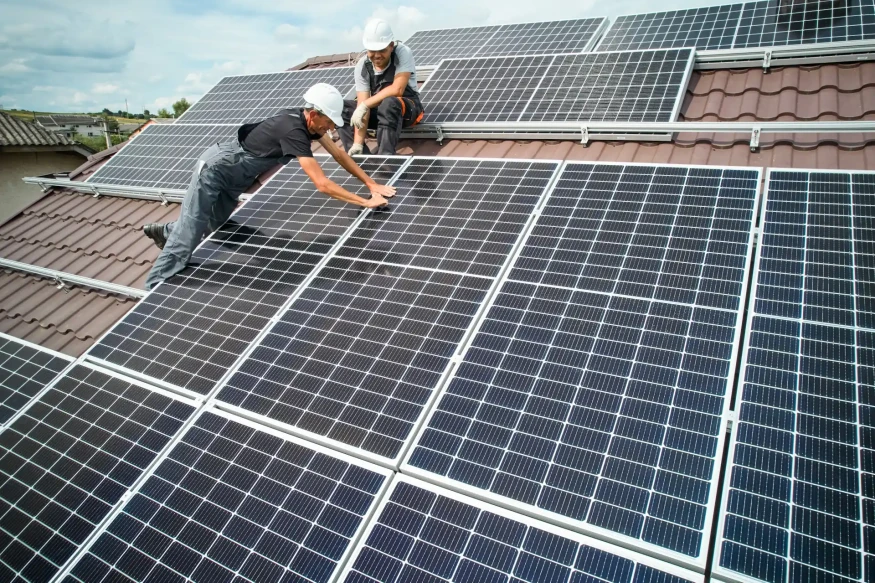
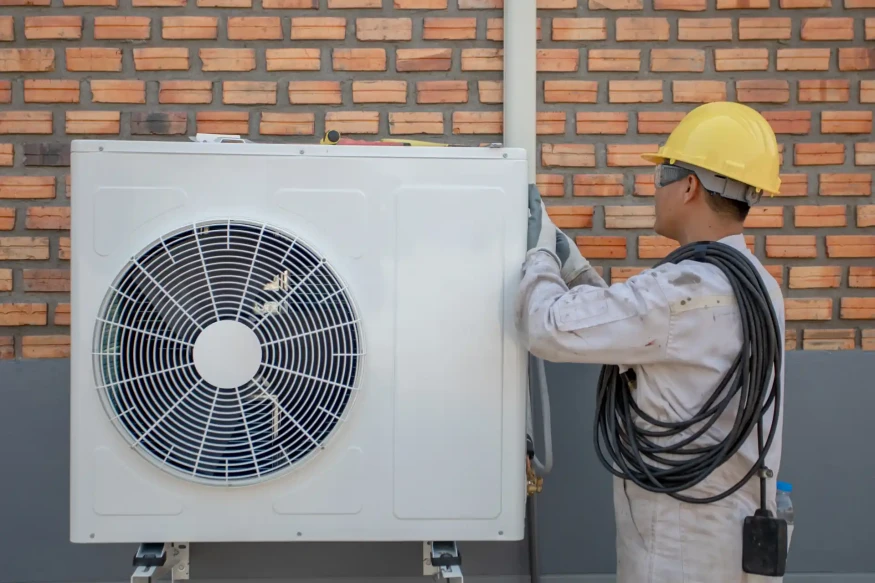
Likewise, retrofitting existing homes with renewable technologies has become more accessible through government incentives and falling technology costs. The combination of solar panels, battery storage, and heat pumps can transform a traditional home into a near-zero carbon dwelling while significantly reducing energy costs.
Integrating circular economy principles with renewable energy across UK properties is both an economic and environmental transformation. As technology advances and costs drop, sustainable, renewable-powered properties are all set to become the norm. By embracing these principles now, UK homeowners can support a sustainable lifestyle, benefiting from a reduced environmental impact, lower energy costs, and higher property values.
Find a local installer
Welcome to the biggest directory of UK renewable energy companies