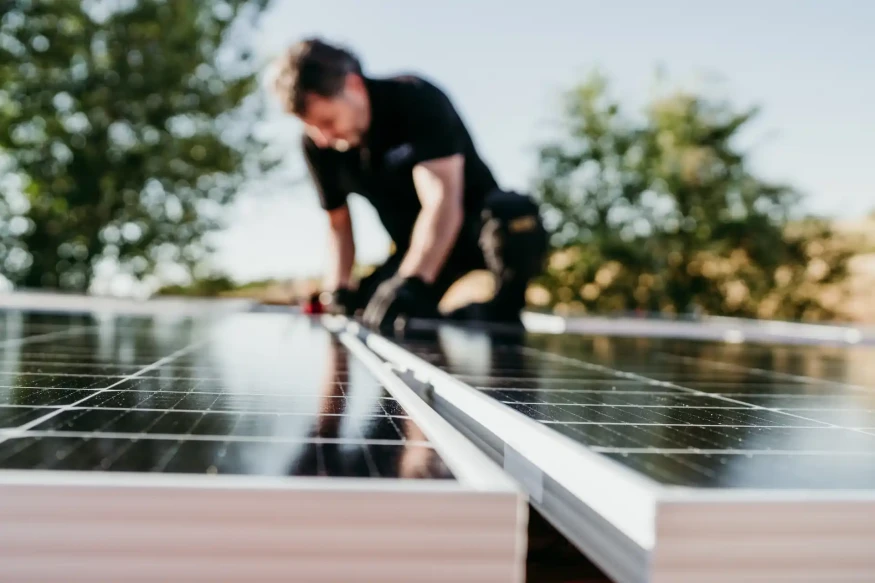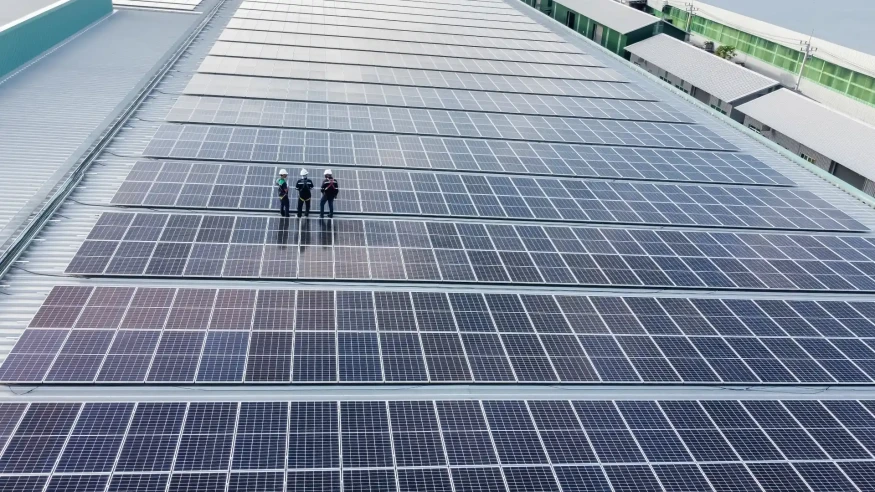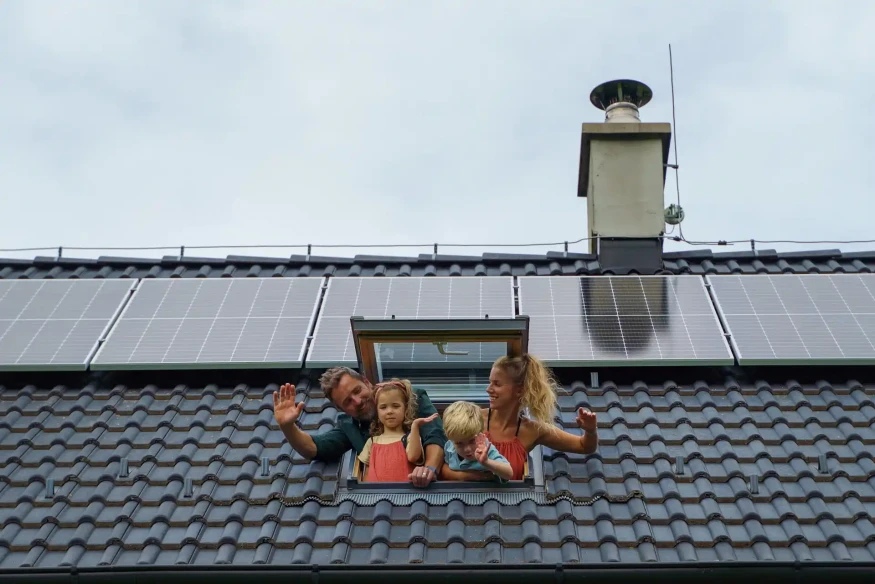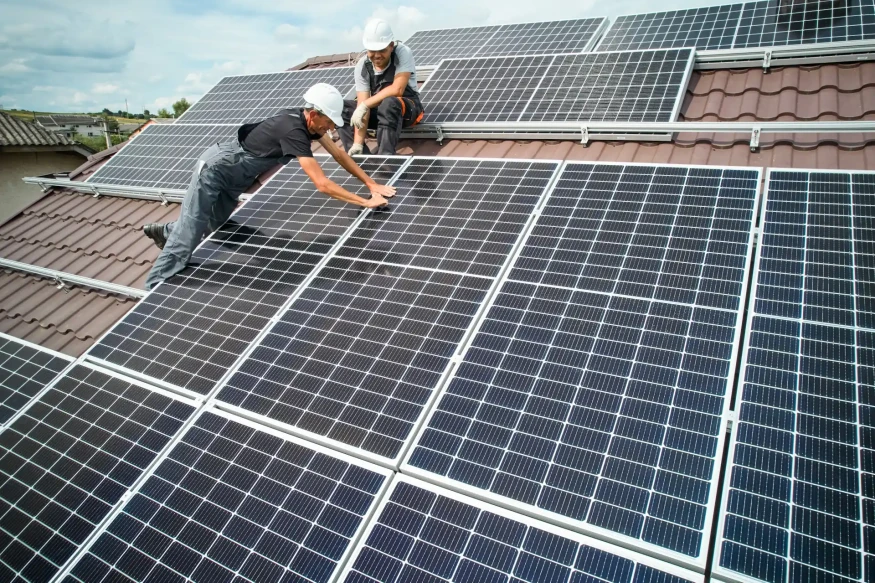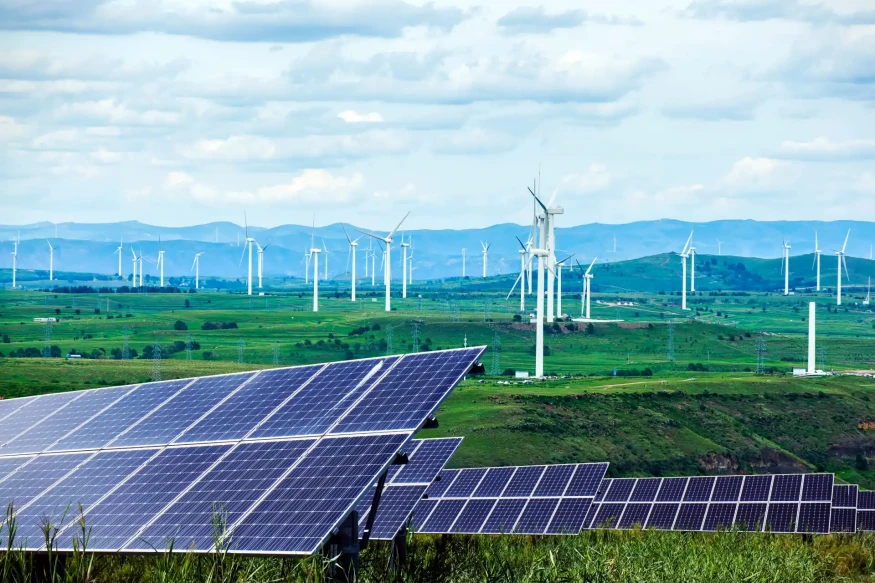
Great British Energy (GBE) was founded in May 2025 to accelerate the roll-out of clean, secure, home-grown energy. The publicly owned UK energy company has a pivotal role to play in helping make the UK a clean energy superpower. The energy produced will give energy retailers the opportunity to provide much more home-grown clean power to UK homes and businesses.
In March this year, the government announced it would be awarding £180 million of funding to schools and hospitals to install rooftop solar, making it the first major project for Great British Energy (GBE). This funding will support the government’s clean power mission, as well as help to build the nation’s public services. It is Great British Energy’s (GBE) first local investment set up to kickstart the Local Power Plan and ensure the benefits of this national mission are felt at a local level with energy security, good jobs, and economic growth.
The Local Power Plan is an initiative set up by Great British Energy (GBE) to fund and support community-led renewable energy projects across the UK with the aim of creating up to 8GW of clean energy and generating community benefits like energy bill discounts. To achieve this GBE partners with local authorities and communities to develop projects, using £8 billion in funding to support local energy and create jobs.
COMPARE PRICES FROM LOCAL INSTALLERS
Compare prices from local companies fast & free
Enter your postcode to compare quotes from leading professionals. We promise to keep your information Safe & Secure. Privacy Policy
Earlier in the year GBE announced that they would be investing £10 Millon in grant funding for England’s mayoral authorities to deliver local clean energy projects. This scheme will see public services across the country such as libraries, fire stations and care homes save an estimated £35 million in lifetime energy bill savings which can be re-invested back into serving their local communities.
In recent years schools and hospitals have been hit hard by soaring energy bills which is costing taxpayers millions of pounds and eating into school and healthcare budgets. This has been driven by the UK’s dependency on global fossil fuel markets over which the government has no control. It perhaps comes as no surprise that the NHS is the single biggest public sector energy user, with an estimated annual energy bill of £1.4 billion, which has more than doubled since 2019.
Chief executive of NHS Providers, Daniel Elkeles, said:
“Spiralling energy costs have landed NHS trusts with huge energy bills- more than £1.4bn since 2019. It's great news then that the first five NHS sites are now generating their own solar power with savings going back into local NHS services. This is good for patients, good for the environment and good for taxpayers.”
At the present time, only about 20% of schools and around 10% of hospitals have solar panels installed, despite the enormous potential for the clean energy technology to save money on bills.
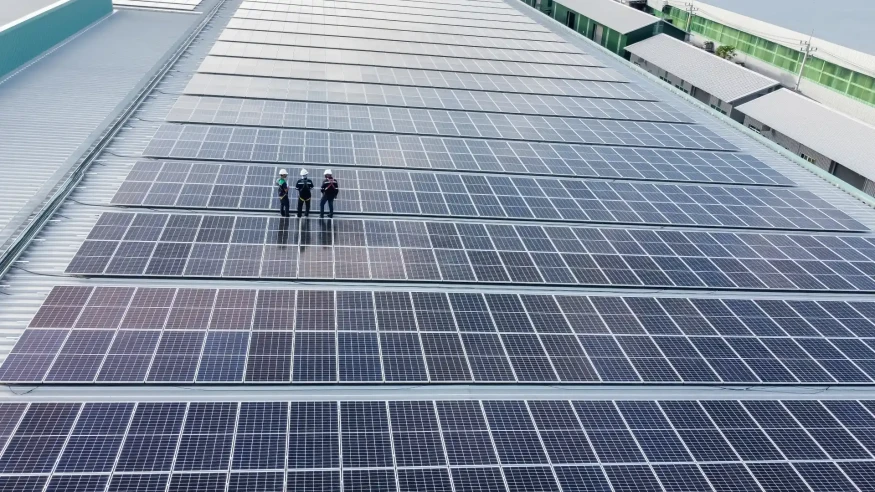
In England, around £80 million has been earmarked for around 200 schools, alongside £100 million for nearly 200 NHS sites, covering a third of NHS trusts, to install rooftop solar panels. The goal is to power classrooms and NHS services with clean, homegrown energy, while giving them the potential to sell excess energy back to the grid.
The first five NHS trusts from the south coast to the North-East have had GBE solar panels installed over the summer along with 3 more schools. Eight more schools are due to be fitted with solar panels in the Autumn. By generating their own solar power, they are saving an estimated lifetime combined total of £3.8 million on energy bills.
The five NHS trusts and the first to benefit from GBE’s solar panels are Leicestershire Partnership NHS Trust, Northeast Ambulance Service NHS Foundation Trust, Norfolk and Suffolk NHS Foundation Trust, South Central Ambulance Service NHS Foundation Trust, and East of England Ambulance Service NHS Trust. They are expected to achieve lifetime savings of £1.9m, or an average £63,200 per year.
Jonathan Guppy, head of sustainability at the South-Central Ambulance Service NHS Foundation Trust, said:
“This is a hugely important milestone for the trust as we take tangible steps to cut our energy costs and carbon footprint and release more money to spend directly on patient care.
The installation at Winchester & Eastleigh is already making a real difference and is just the beginning of a wider programme of work that will deliver long-term environmental and financial benefits across our estate.”
Alun Williams, CEO of the Midsomer Norton Schools Partnership Trust, Radstock said:
“We were delighted for Peasedown St John’s Primary School to be part of the Great British Energy solar panels project. We are already seeing the positive impact of the solar panel installation in the form of reduced energy costs. These savings have been reinvested into providing high quality resources for the children at the school.”
These installations follow the previous installation of GBE solar panels on 11 schools as of June 2025, also part of the GBE scheme. These 11 schools are already saving money on their energy bills after switching their solar panels on in June. All schools and hospitals under the GBE scheme are expected to have their solar panels up and running by April 2026.
As a result of the £180 million investment from GBE and government, schools and hospitals across the country are cutting their energy bills. Estimates suggest that on average, NHS sites could save up to £45,000 per year and a typical school could save up to £25,000 per year if they had solar panels with complementary technologies installed such as batteries. The GBE scheme is expected to save the NHS up to £260 million. The schools’ part of the GBE scheme is set to save £175,000 per year.
The total lifetime savings for schools and the NHS is up to £400 million. The government says that savings will be reinvested in local NHS services and schools as part of their Plan for Change to fix public services. Thanks to this scheme millions could now be invested back into frontline services in deprived areas. Communities across the country will benefit from more money for textbooks, teachers, and healthcare services.
Chris Gormley, Chief Sustainability Officer at NHS England, said:
“We are set to expand solar generation by more than 300% across the NHS – slashing millions of pounds from energy bills, which can then be redirected into patient care. These new solar panels are expected to save the NHS £8.6 million every year once all the projects are completed, adding up to £260 million over their lifetime.”
Savings of £8.6 million per year is a huge jump towards a more sustainable and cost-efficient NHS which builds on the great work already achieved in the five years since the NHS became the first healthcare system in the world to commit to reaching net zero.
Energy Secretary Ed Miliband said:
“Across the country, solar panels are going up on rooftops or carpark canopies, to power classrooms and operating theatres with clean, homegrown power. This is our clean energy superpower mission in action, protecting our public services with lower bills and energy security.”
Great British Energy’s CEO, Dan McGrail said:
“Great British Energy has been set up as a publicly owned energy company to help deliver the government’s mission to make Britain a clean energy superpower. Our ongoing solar rollout delivers tangible benefits to the people that need it most in our hospitals and schools. Our continuing work is ensuring money is being put back into frontline care and education, providing cheap, clean, and secure power.”
The devolved governments have also received GBE funding of over £9.35 million to be used for renewable energy schemes on public sector buildings or to support new community or local renewables schemes. Scotland has received £4.85 million, Wales, £2.88 million and Northern Ireland, £1.62 million of the £9.35 million funding.
During the early part of this month, the Energy Secretary set out how GBE was aiming to take back control of Britain’s energy supply to protect billpayers from global fossil fuel price spikes. GBE will produce a strategic plan within the next 6 months on how it will meet these expectations.
Find a local installer
Welcome to the biggest directory of UK renewable energy companies